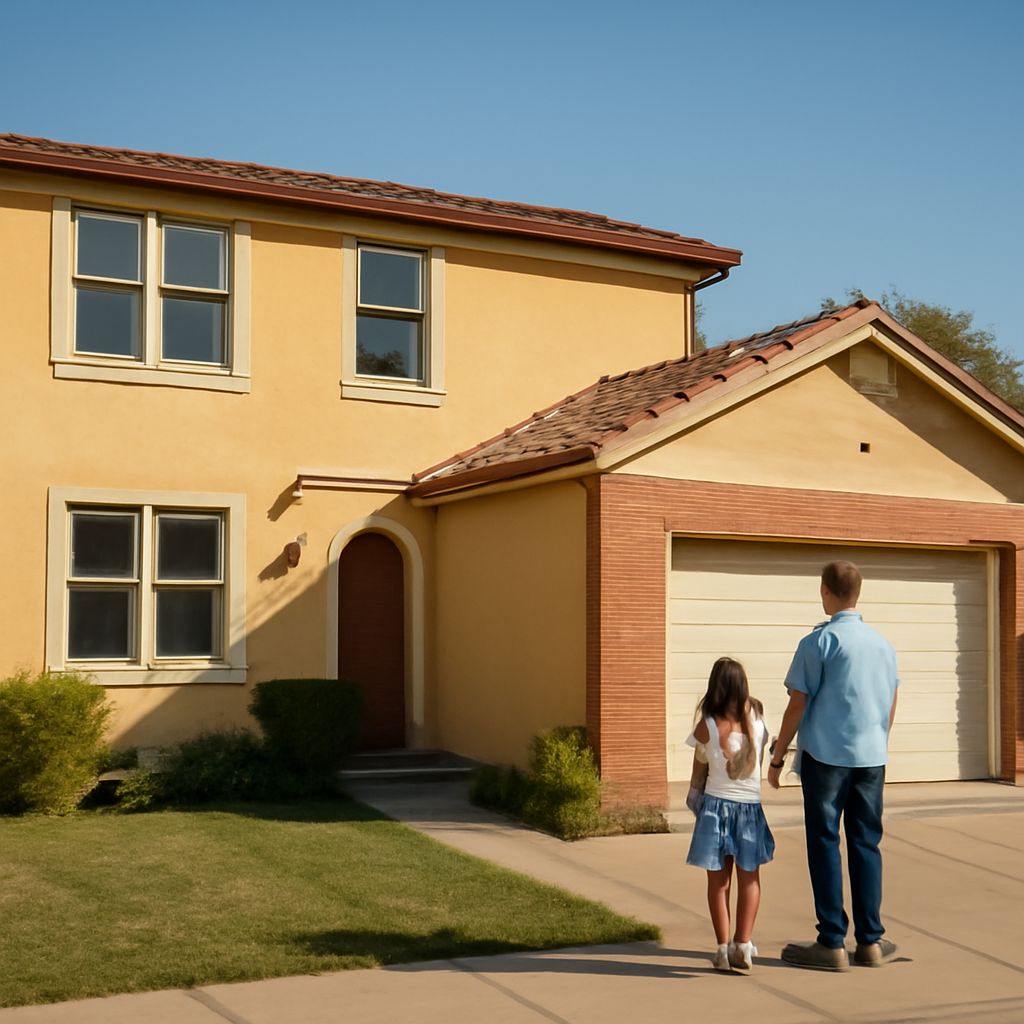
Have you ever wondered why the Simpsons house feels so oddly familiar, even if you’ve never been to Springfield? Maybe you’ve tried your hand at a cartoon drawing of the famous home, or puzzled over whether the Simpsons house real life inspirations actually exist. This instantly recognizable yellow abode has captured fans’ imaginations for decades, leaving many to question: what’s the real story behind its design, and how did it become such a classic in both animation and illustration?
Whether you’re a longtime fan, an aspiring artist, or just someone curious about pop culture history, exploring the origins and impact of the Simpsons house opens a bright, creative doorway. From its TV debut to its surprising real-world connections, and the way it’s shaped the world of cartoon drawing, let’s dive into what makes this suburban home such a cultural and artistic icon.
The Simpsons House: An Iconic Cartoon Landmark
From the very first episode of “The Simpsons,” that familiar two-story, salmon-pink house has been a visual anchor. Its boxy silhouette and instantly recognizable garage have become almost as famous as the Simpson family themselves. The house’s recurring presence across seasons and storylines cements its status as a legendary TV address. You can spot the distinctive bay window, crooked chimney, and even that fence Bart loves to skateboard along—all hallmarks that have made it a cartoon drawing staple.
Many animation fans say they could sketch the Simpsons house from memory, which speaks volumes about its cultural imprint. It’s more than a backdrop; it’s an emotional setting where the family’s adventures, mishaps, and heartwarming moments unfold. The exterior’s simplicity allows for playful exaggeration, making it perfect for fans and artists to reimagine in countless styles—from pencil sketches to digital illustrations.
Moreover, the house’s color palette—soft pinks, muted browns, and those famously blue curtains—makes it instantly recognizable even out of context. If you’ve ever tackled a cartoon drawing yourself, you know that nailing these details is key to capturing its essence. The house’s inviting look, combined with its subtle quirks, solidifies it as a pop culture landmark.
Ultimately, the Simpsons house stands as more than just an animated structure. Its blend of familiarity and fantasy, plus the repeating motifs throughout the series, ensure its lasting place in cartoon and illustration history.
Design Evolution: How the Simpsons House Became So Recognizable
The Simpsons house didn’t spring fully formed from an artist’s pencil—instead, its design evolved right alongside the show. Early episodes depicted a slightly rougher, less polished version. Over the years, animators refined the lines, colors, and proportions, eventually settling on the now-classic look. This ongoing evolution is one reason it’s a favorite subject for cartoon drawing enthusiasts and aspiring animators.
While the initial design was quite basic, it embraced the universal language of suburban architecture. The two-story plan, attached garage, and modest lawn were all inspired by mid-century American homes. This approach allowed animators to flex their creative muscles within a relatable framework. If you revisit old episodes or fan art, you’ll notice subtle tweaks in window placement, color saturation, and landscaping—each change reflecting shifts in animation technology and storytelling style.
What really cements the house’s recognizability isn’t just its shape, but also its consistency. The creators made a conscious decision to anchor the show in a setting that viewers could return to, week after week. This visual familiarity is why the home has become almost as iconic as Homer, Marge, Bart, Lisa, and Maggie themselves. Aspiring artists who practice cartoon drawing often start with the Simpsons house because its structure is both simple enough for beginners and full of opportunities for creative add-ons.
Throughout its evolution, the Simpsons house has stood as a testament to the power of design iteration. By balancing playful exaggeration with grounded architectural cues, the animators created a setting that’s instantly identifiable—making it a go-to subject for fans, illustrators, and pop culture historians alike.
Simpsons House Real Life: Fact or Fiction?
One question that repeatedly pops up in fan circles is whether the Simpsons house real life inspiration actually exists. The answer is a fascinating blend of fiction and reality. While there isn’t a single house in the real world that’s an exact match, the design draws from countless mid-century American homes. Generic yet specific, it offers a sense of deja vu to viewers from many backgrounds.
Interestingly, in 1997, a life-size replica of the Simpsons house was built in Henderson, Nevada, as part of a promotional contest. This real-life version included many of the quirks and colors seen on TV, right down to the mismatched rooms and garage. Fans flocked to see it, and it became a pop-culture pilgrimage site for a time. While the replica has since been remodeled, its existence reinforced the house’s iconic status—blurring the line between cartoon world and reality.
Beyond promotional stunts, you can spot echoes of the Simpsons house real life in neighborhoods across the U.S. Its design borrows heavily from the postwar American Dream aesthetic—think classic ranch houses, split-levels, and tidy front lawns. For many, passing by a certain house on a suburban street might conjure memories of Homer’s “D’oh!” moments or Bart’s mischievous skateboard escapes. This sense of recognition is what makes the home such a beloved reference point in both pop culture and artistic circles.
So, while the original may only live in animated Springfield, its spirit—and design DNA—are very much alive in the real world. That ongoing interplay between fact and fiction is a big part of what makes the house such an enduring favorite for fans and artists alike.
Illustrating the Simpsons House: Drawing Tips and Artistic Influence
If you’ve ever wanted to try your hand at a cartoon drawing of the Simpsons house, you’re in good company. Its clean lines and simple forms make it approachable for beginners, while its subtle details challenge more advanced illustrators. Start by blocking out the major shapes: the rectangular base, triangular roof, and attached garage. These basic forms lay the foundation for adding signature features like the bay window, the crooked chimney, and the distinct color scheme.
Artists often recommend using reference images from various episodes, as the house’s proportions can shift depending on the scene. For a more authentic look, pay special attention to color choices—those soft pinks and browns are key. As you gain confidence, try experimenting with different perspectives or adding your own creative twists. Some illustrators put the home in new settings, remix its details, or even mash it up with other famous cartoon or real-world houses.
The influence of the Simpsons house on the world of illustration can’t be overstated. It’s become a training ground for practicing perspective, architectural features, and stylized animation. When you sketch or digitally paint the home, you’re participating in a decades-long tradition—one that blends technical skill with playful creativity.
And if you’re pursuing a deeper dive, look for online tutorials or fan communities where artists share their takes and tips. Whether you stick with the classic look or branch out into wild reinterpretations, the Simpsons house offers endless possibilities for creative exploration in the realm of cartoon drawing. Just remember: have fun, and let your own artistic style shine through!
Legacy of the Simpsons House in Pop Culture and Art
The Simpsons house stands as one of TV’s most enduring and beloved set pieces. Its influence reaches far beyond the screen, inspiring everything from architecture memes to fan art and collector’s items. Walk through any pop culture convention or browse online illustration communities, and you’ll spot countless versions of the familiar pink facade—sometimes lovingly accurate, sometimes wildly reimagined.
This continued fascination is partly because the home represents more than just a setting; it’s a symbol of comfort, family, and the quirks of everyday suburban life. Artists and fans alike are drawn to its approachable design, using it as canvas for personal expression and nostalgia. In this way, the house’s Simpsons house real life echoes reverberate far beyond Springfield, connecting generations of viewers and illustrators around the world.
The lasting popularity of the house in cartoon drawing showcases its role as both muse and model. From professional artists to weekend doodlers, everyone finds their own way to reinterpret its familiar lines. Its approachable geometry and playful spirit make it a favorite starting point for those learning to draw or experimenting with animation-inspired art.
Ultimately, the Simpsons house’s legacy is built on its ability to bridge the gap between fiction and reality, art and everyday life. By inviting endless reinterpretation and sparking creative journeys, it ensures its place as a timeless icon in both pop culture and illustration.