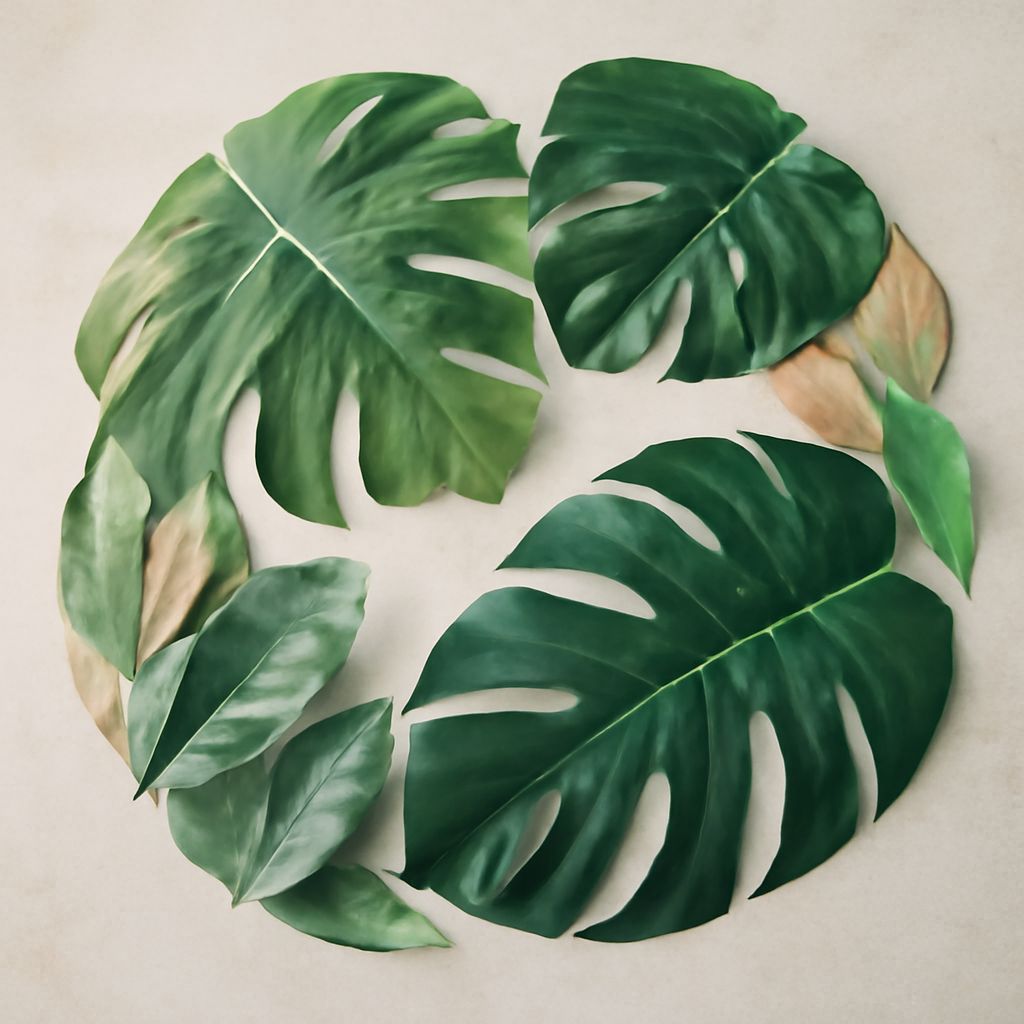
Have you ever wondered how to capture the lush vibrancy of a monstera leaf drawing using watercolors? This unique blend of art and nature can be both relaxing and rewarding, offering endless possibilities for creativity. In this guide, you’ll explore the essential techniques and tools needed to create your own watercolor leaf paintings, as well as dive into the captivating world of sunrise watercolor art. Whether you’re a beginner or a seasoned artist, understanding the nuances of watercolor and selecting the best materials like premium watercolor pads can make all the difference in your artistic journey.
Getting Started with Monstera Leaf Drawing
Before you immerse yourself in the world of watercolor painting, it’s crucial to understand the basics of monstera leaf drawing. Start by observing the distinctive shapes and patterns of the leaf. Monstera leaves are known for their large, heart-shaped forms and natural holes or splits, which provide an excellent subject for practice. Use a light pencil to sketch the basic outline of the leaf on your watercolor paper, focusing on capturing its unique features.
Once you’ve sketched your monstera leaf, consider how light and shadow play across its surface. This will be important when you start applying watercolor, as the interplay of light and dark tones will bring your drawing to life. Practicing these initial drawing skills will enhance your ability to produce stunning watercolor leaf paintings.
Essential Tools for Watercolor Leaf Art
In order to create striking watercolor leaf art, you need the right tools. To start, invest in a set of quality watercolor paints. These come in a variety of forms, including tubes and pans, each offering a different approach to your craft. Brushes are equally important; round brushes are versatile for both broad strokes and delicate details, while flat brushes can cover larger areas efficiently.
When it comes to paper, premium watercolor pads are indispensable. They provide the right texture and absorbency for your paints, allowing for smooth blending and layering. Additionally, a palette, water container, and masking tape to secure your paper can enhance your painting experience.
Techniques for Creating Stunning Leaf Watercolors
Creating stunning leaf watercolors involves mastering a few key techniques. Begin with the wet-on-wet method, where you wet the paper before applying paint. This technique helps in creating soft edges and blending colors seamlessly. It’s perfect for capturing the smooth transitions of color found in nature.
Another technique is the dry brush method, which involves using minimal water to create texture and fine details. This can be particularly effective for adding veins and intricate patterns to your monstera leaf drawing. Additionally, layering is essential; building colors gradually allows for depth and vibrancy, ensuring your watercolor leaf paintings stand out.
Exploring Sunrise Watercolor Techniques
Sunrise watercolor art can add a breathtaking element to your paintings. Begin by choosing a warm color palette that reflects the hues of early morning light. Techniques like gradient washes can be useful here, blending yellows, oranges, and pinks to mimic the natural progression of a sunrise.
Experiment with varying brush strokes to depict the delicate shifts in color. By combining these techniques with your leaf paintings, you can create a serene background that enhances the focus on your monstera leaf. The contrast between the bold leaf and the soft sunrise can offer a dramatic effect, elevating your artwork.
Choosing the Best Watercolor Pads
Selecting the best watercolor pads is pivotal for achieving professional results. Look for pads that are acid-free, ensuring longevity for your paintings. The weight of the paper is also important; heavier papers, such as those at 140lb or higher, provide better durability and limit warping when saturated with water.
Consider the texture as well. Cold-pressed papers have a slight texture that adds interest to your work, while hot-pressed papers are smooth and ideal for fine details. Experimenting with different types will help you find the best fit for your artistic style and the specific effects you wish to achieve in your watercolor leaf paintings.
Final Tips and Tricks for Watercolor Success
As you refine your skills in monstera leaf drawing and watercolor painting, keep a few tips in mind. Always test your colors on a scrap piece before applying them to your main work to ensure the desired hue and transparency. Patience is key; allow each layer to dry completely before adding the next to avoid unwanted blending.
Don’t hesitate to experiment with different techniques and styles. Continuously observe nature around you, as this can inspire new ideas and approaches. Finally, maintaining your tools, such as cleaning brushes thoroughly after each session, will prolong their lifespan and ensure consistent results.
Pro tips recap: Start with a solid monstera leaf sketch, use quality tools, and embrace both wet and dry techniques. Explore sunrise hues for backgrounds, choose premium watercolor pads for best effects, and let creativity guide your practice. Keep experimenting and learning from each piece you create.