Have you ever wondered why certain fonts seem to endure through decades of design trends, always appearing fresh and relevant? The answer often lies in their timeless elegance. Classic font choices have a remarkable ability to convey sophistication and reliability, traits that are as desirable in today’s fast-paced digital world as they were when the first printing presses rolled out. This article explores the enduring appeal of classic fonts and how they are seamlessly integrated into modern design, including the enchanting world of classic children’s book illustrations.
Understanding Classic Fonts
Defining Classic Fonts
Classic fonts are those typefaces that have stood the test of time, consistently used over generations due to their aesthetic appeal and legibility. They often include serif and sans serif styles, each with its own character yet sharing a common thread of elegance. These fonts, such as Times New Roman or Helvetica, are typically characterized by their clean lines and well-balanced proportions.
The History and Evolution of Classical Fonts
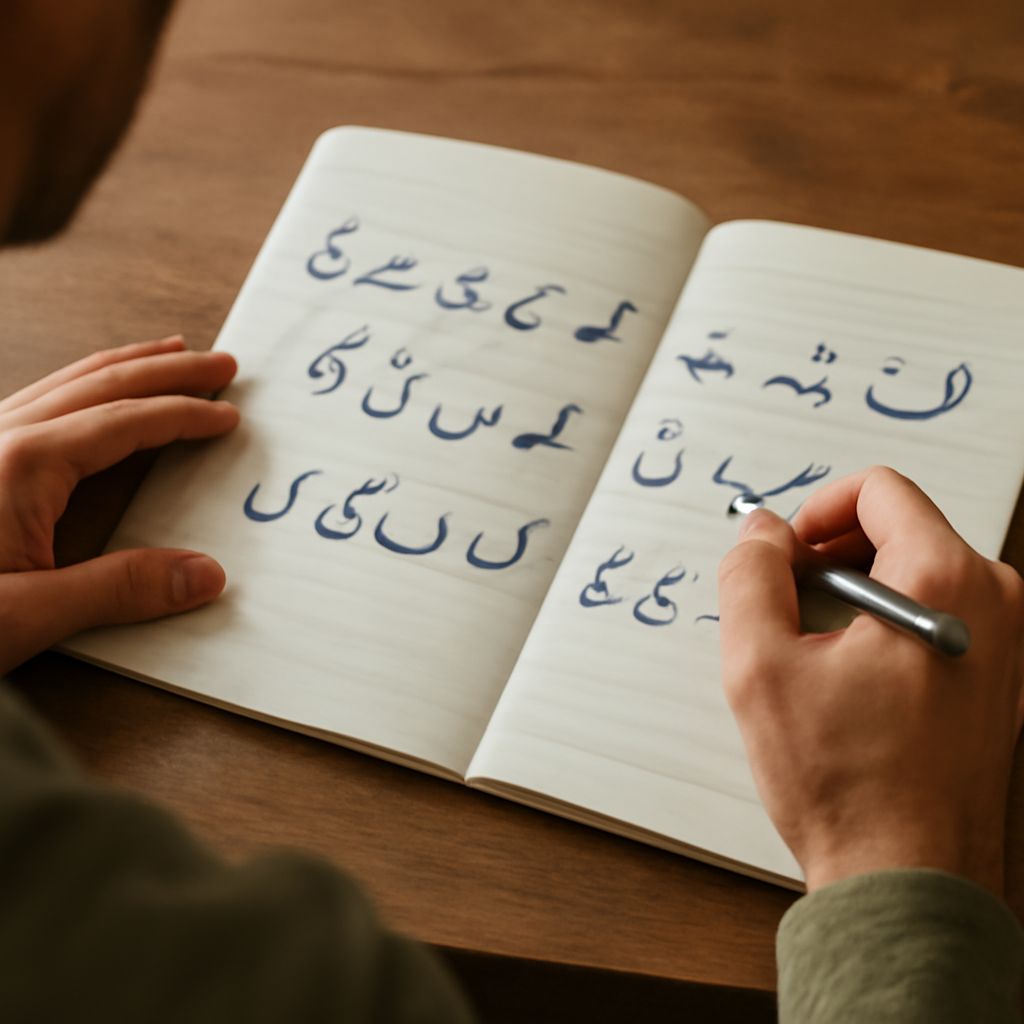
Classical fonts have evolved from the intricate calligraphy of the Renaissance to the more straightforward and modern typefaces we see today. The journey of these fonts is a fascinating one, tracing the developments in printing technology and changes in cultural tastes. Over time, classical fonts have adapted, yet their core essence remains unchanged, reflecting a perfect blend of tradition and innovation.
Popular Classic Font Families
Some font families have become synonymous with classic typography. Fonts like Garamond, Baskerville, and Bodoni are staples in the world of design. These typefaces are not just relics of the past but are actively used in contemporary designs, offering a nod to history while grounding modern projects in a sense of established quality.
Significance of Classical Fonts in Modern Design
The Role of Classic Fonts in Branding
Classic fonts play a crucial role in branding. Their timeless appeal helps convey messages of trustworthiness and professionalism. Many companies opt for classic font choices in their logos and branding materials because these fonts evoke a sense of heritage and stability, which can be reassuring to consumers in an ever-changing marketplace.
Why Designers Choose Classical Fonts
Designers often choose classical fonts for their versatility and the emotional responses they elicit. These fonts can easily complement a wide array of design styles, from corporate materials to artistic endeavors. Their ability to enhance readability and convey clear messages makes them indispensable in both digital and print media.
Classic Children’s Book Illustrations and Typography
The Influence of Classic Fonts in Children’s Literature
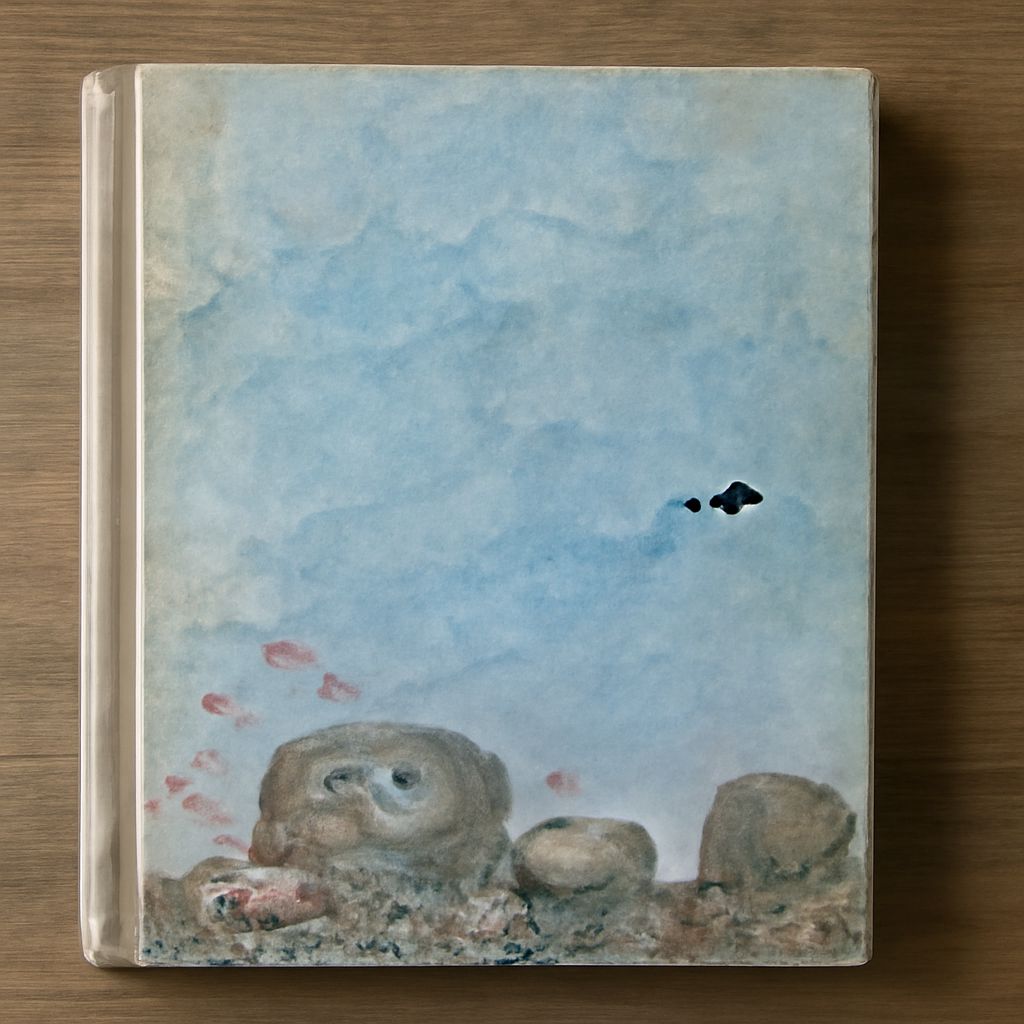
Classic fonts have a profound impact on children’s literature, where they are used not only for their readability but also for their ability to evoke a sense of wonder and nostalgia. The whimsical and imaginative nature of classic children’s book illustrations is often complemented by appropriately selected classical fonts, creating a cohesive and engaging reading experience for young audiences.
Notable Examples of Classic Children’s Book Illustrations
Many beloved children’s books feature classic font pairings that have become iconic over time. Titles such as “The Tale of Peter Rabbit” by Beatrix Potter and “Charlotte’s Web” by E.B. White are prime examples where the use of classical fonts helps capture the essence of the story, making them timeless classics that continue to enchant new generations.
How to Choose the Right Classic Font for Your Project
Factors to Consider When Selecting a Classical Font
When choosing a classic font for your project, consider the purpose and audience. The font should enhance your message without overpowering it. Think about the emotions you want to evoke and how the font’s characteristics align with those feelings. Additionally, consider the medium, as some classic fonts may read differently on screen compared to print.
Pairing Classic Fonts with Modern Design Elements
Pairing classic fonts with modern design elements can breathe new life into a project. The juxtaposition of tradition and innovation can create a dynamic and visually appealing result. Using a classic serif font with clean, modern graphics or a minimalist layout can highlight the font’s elegance while ensuring the overall design remains contemporary and fresh.
Bottom line: Classic fonts continue to play a vital role in design, offering a timeless elegance that complements both traditional and modern aesthetics. Whether used in classic children’s book illustrations or as part of a brand’s identity, these fonts bring a touch of sophistication that is hard to replicate.