Have you ever wondered how some artists manage to capture the essence of their subjects so vividly? The secret often lies in the skill of drawing from observation. By honing this ability, you can transform your artwork from ordinary to extraordinary. Likewise, drawing from memory challenges you to rely on your mental imagery, pushing your creative boundaries even further. How do these techniques intertwine, and how can they enhance your artistic practice, even leading you to create a font from an image? Whether you are a budding artist or a seasoned professional, understanding these aspects can refine your technique and offer new perspectives.
In this article, we will delve into the core principles of drawing from life and explore how you can incorporate the intricacies of observational drawing into your artistic repertoire. Let’s embark on this journey to unlock your potential and discover how these techniques can revolutionize your craft.
Understanding Observational Drawing
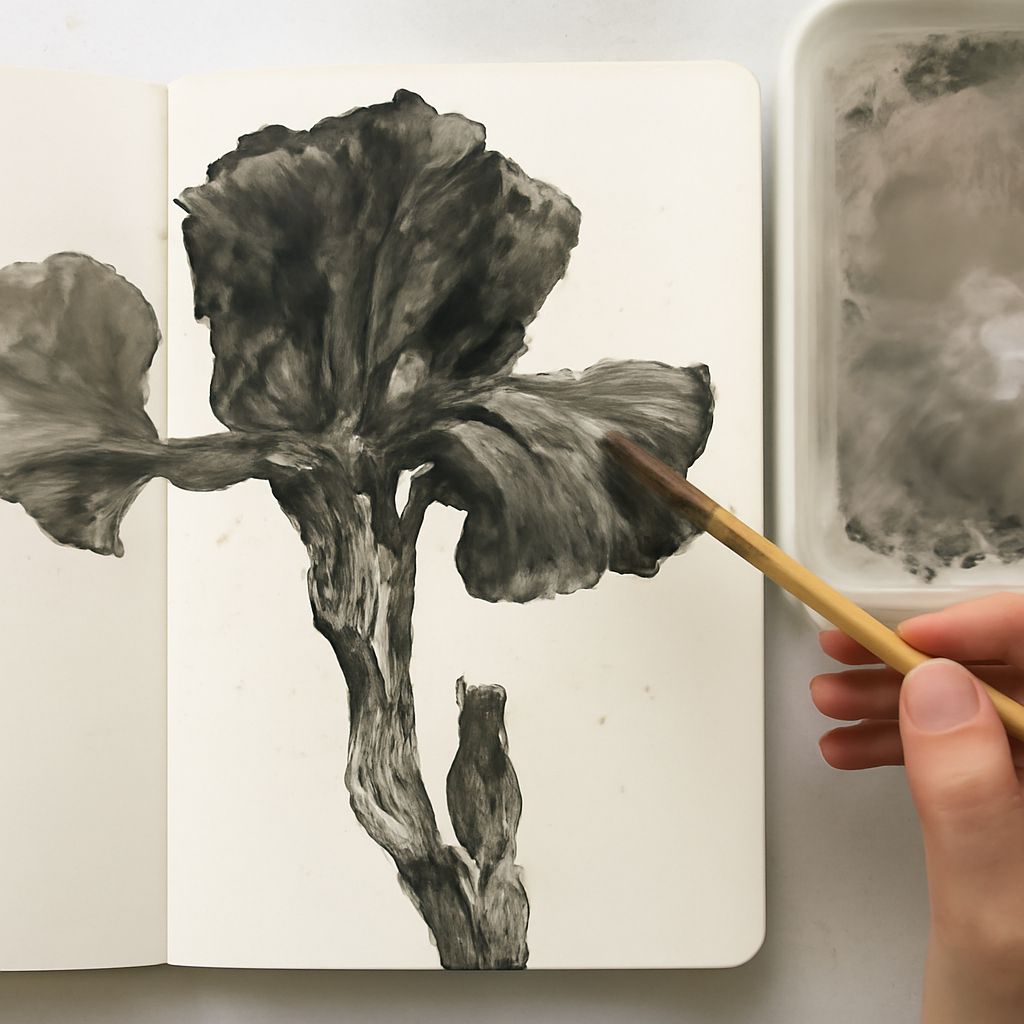
The Basics of Drawing from Observation and Technique Observational drawing is the practice of creating art by observing the world around you. This technique requires you to pay attention to shapes, shadows, and details, translating them into your drawings. By engaging in drawing from observation, you develop a keen eye for detail and an improved ability to translate the three-dimensional world onto a two-dimensional surface.
Mastering the basics of this technique involves training yourself to see beyond the obvious. It’s about recognizing subtle nuances that others might miss. The more you practice drawing from observation, the more you will enhance your technical skills, making your art more realistic and dynamic.
Why Drawing from Life is Essential for Artists
Drawing from life is an essential aspect of an artist’s development. It allows you to capture the nuances of motion and emotion, offering a dynamic range of expression. When you engage in drawing from life, you not only improve your observational skills but also gain a deeper understanding of form and structure. This approach is invaluable, as it equips you with the ability to replicate scenes and objects in a way that feels both authentic and lively.
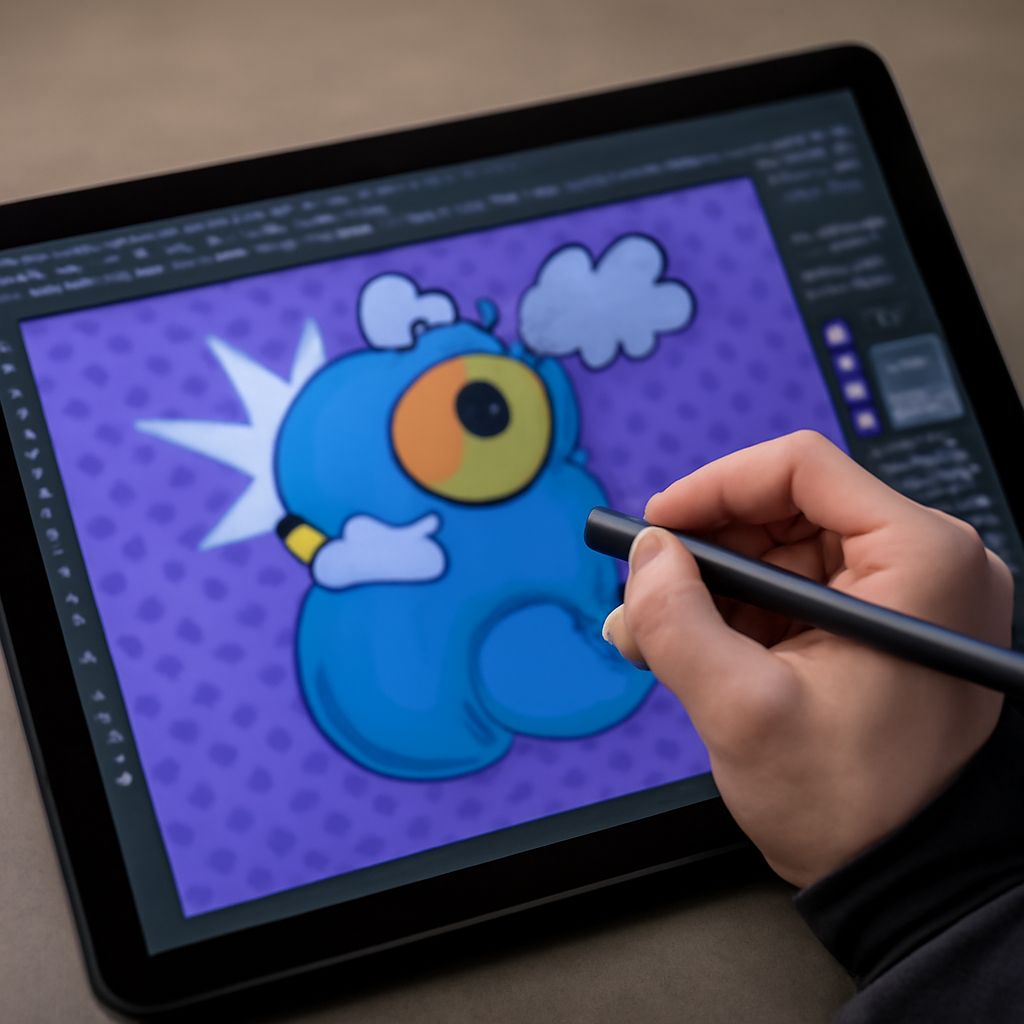
As you continue drawing from life, you’ll notice a significant increase in your ability to perceive depth and perspective, which are crucial for creating convincing artwork. This skill can also be translated into digital art practices, making your creations compelling and lifelike.
Techniques for Drawing From Memory
Improving Memory Recall Through Drawing from Memory Drawing from memory is a powerful exercise that challenges you to recreate images without direct visual reference. This technique strengthens your memory recall and forces you to rely on your visualization capabilities. You can improve this skill by regularly practicing drawing from memory, which, over time, helps sharpen your mental imagery.
Engaging in this practice requires patience and persistence. As you draw from memory, you’ll begin to recognize patterns in how you visualize and execute your art, enabling you to produce more detailed and imaginative works.
Combining Drawing from Memory with Creating a Font from an Image for Unique Art
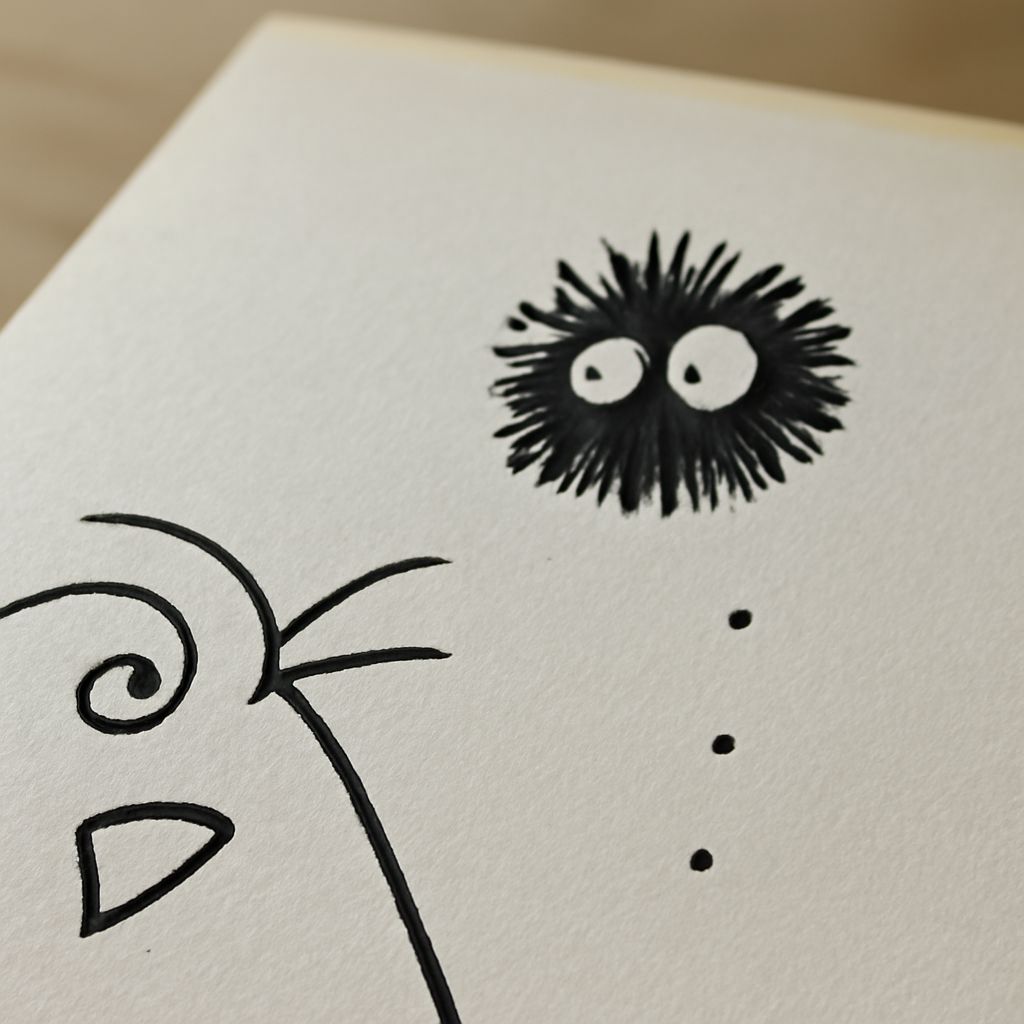
By merging the skills of drawing from memory with the ability to create a font from an image, you open up a world of artistic possibilities. This combination allows you to develop unique art styles that are both visually striking and conceptually innovative. When you create a font from an image, you’re essentially translating visual forms into typographical elements, which can be challenging yet rewarding.
Practicing these techniques together will expand your creative toolkit, enabling you to express complex ideas in a visually cohesive manner. This fusion not only enhances your artistic versatility but also sets your work apart in the competitive art world.
Creating a Font from an Image
Step-by-Step Guide to Creating a Font from an Image
Creating a font from an image involves a methodical approach that combines observational skills with technical expertise. Begin by selecting an image with distinct features that you wish to convert into a font. Next, study the image carefully, breaking it down into its fundamental shapes and lines.
Using drawing from observation techniques, sketch out the characters you envision, ensuring they maintain a coherent style. Finally, utilize digital tools to refine and vectorize your designs, transforming them into a usable font. This process demands patience and creativity but results in a unique typographic creation.
Integrating Creating a Font from an Image with Drawing from Observation Skills
Integrating the process of creating a font from an image with drawing from observation skills enhances your overall artistic capability. This integration requires you to apply your observation skills to identify key elements within the image that can be transformed into a font.
By continually practicing this integration, you sharpen your ability to discern and replicate specific visual aspects, increasing the precision and uniqueness of your fonts. This skill is particularly valuable for designers looking to create personalized and bespoke typographic solutions.
The Benefits of Drawing from Life
How Drawing from Life Enhances Observational Skills Drawing from life significantly enhances your observational skills by forcing you to engage with your subject matter in real time. Unlike drawing from photos, drawing from life challenges you to interpret and capture the ephemeral qualities of your subject, such as movement and light changes.
This practice encourages you to make quick decisions and adapt to the dynamic nature of your surroundings, resulting in more spontaneous and expressive artwork. Consistently drawing from life hones your ability to observe and react, making your art more vivid and engaging.
Real-Life Applications of Drawing from Life
The skills you develop from drawing from life have numerous real-life applications. Whether you’re illustrating a live event, creating fashion sketches, or designing a storyboard for a film, the ability to capture reality accurately and expressively is invaluable.
Incorporating these skills into your artistic practice not only elevates the quality of your work but also broadens your professional opportunities. From fine art to commercial design, the insights and abilities gained from drawing from life are universally applicable, making you a versatile and sought-after artist.