Have you ever wondered how calligraphy has maintained its timeless allure across different cultures and eras? The art of beautiful writing is not only a creative expression but also a reflection of cultural identity and historical evolution. In this exploration, we delve into how Western calligraphy meets Armenian, Indian, and Islamic styles, revealing the rich tapestry of influences and innovations that each brings to the table. From the sacred art of Calligraphy Islam to the bold expressions of modern Western calligraphy, this journey through global styles offers insight into both traditional and contemporary trends in typography.
Introduction to Calligraphy
The Art of Beautiful Writing
The art of beautiful writing, known as calligraphy, has captivated artists and writers for centuries. It is a practice that requires not only skill but also a deep understanding of aesthetics and form. Calligraphy is more than just writing; it is a craft that transforms letters into works of art, each stroke imbued with intention and spirit.
Evolution of Calligraphy Across Cultures
Calligraphy has evolved significantly across different cultures, adapting distinct styles and techniques that reflect regional influences. From the flowing scripts of Islamic calligraphy to the structured forms of Western calligraphy, this evolution speaks to the diversity and universality of the art form.
Calligraphy Islam: A Sacred Art Form
History and Development
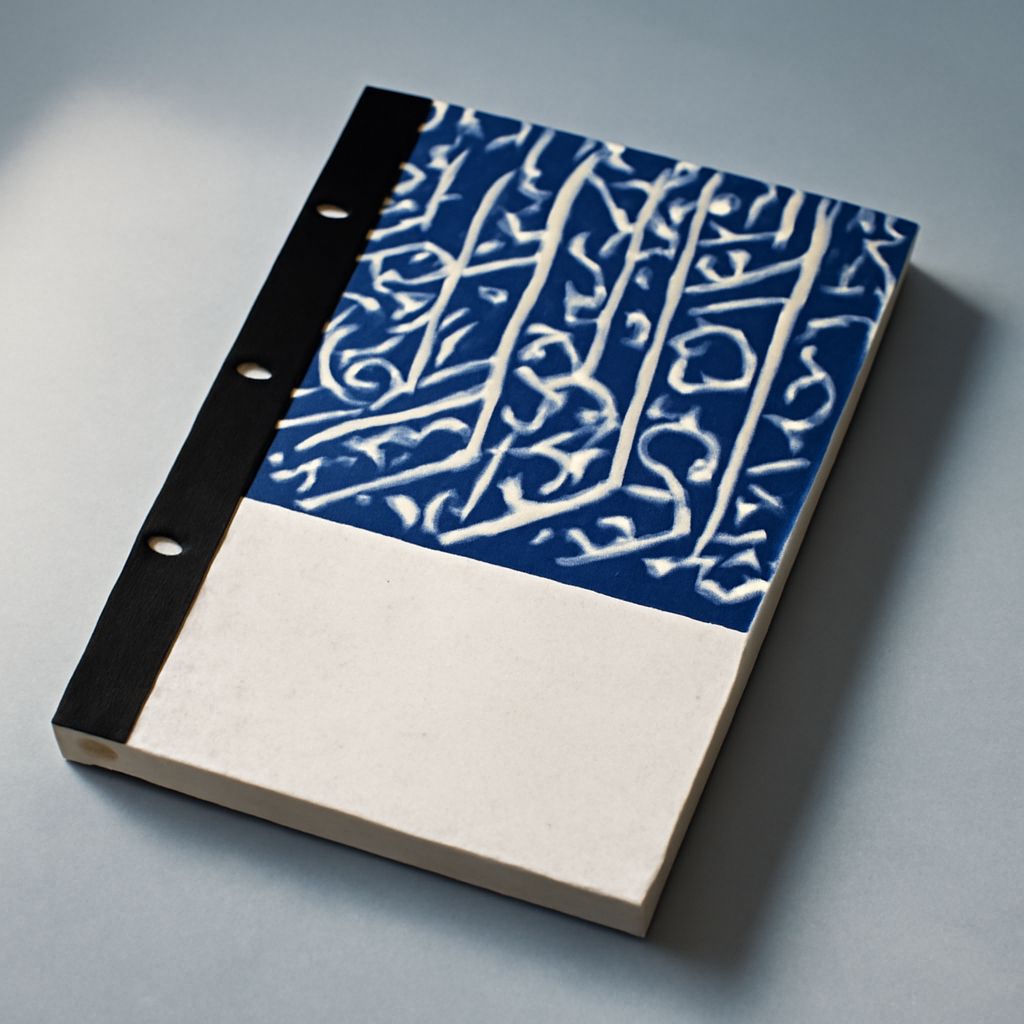
Calligraphy Islam has a deep-rooted history that intertwines with the religious and cultural tapestry of the Islamic world. Emerging as an essential tool for recording religious texts, Islamic calligraphy developed into a sacred art form that expresses devotion and reverence. Its intricate patterns and flowing lines are more than ornamental; they are a means to convey sacred texts beautifully.
Influence on Religious Texts
The influence of Calligraphy Islam extends beyond its aesthetic appeal. It plays a crucial role in the preservation and dissemination of religious texts, where the art form ensures that the sacred words are conveyed with the beauty and precision they deserve.
Popular Styles and Tools
Diverse styles such as Kufic and Naskh have emerged within Calligraphy Islam, each with its own set of characteristics and tools. Traditional instruments like the reed pen and ink are used to create these elegant scripts, maintaining a connection to the historical roots of this sacred art form.
Western Calligraphy: A Timeless Tradition
Origins and Historical Context
Western calligraphy traces its origins to ancient civilizations where the written word was a powerful tool for communication and record-keeping. Over time, it evolved into a form of artistic expression, with each letter crafted with care and precision.
Styles and Techniques
Characterized by styles such as italic, gothic, and uncial, Western calligraphy offers a varied palette of techniques and forms. The use of different nibs and inks allows scribes to explore a range of visual textures, creating dynamic compositions.
Modern Western Calligraphy
In modern times, Western calligraphy continues to thrive as a vibrant art form. Artists draw inspiration from traditional techniques while incorporating contemporary elements, resulting in a fusion that celebrates both history and innovation.
Armenian Calligraphy: A Rich Heritage
Unique Characteristics
Armenian calligraphy is distinguished by its unique alphabet and the intricate designs that accompany each letter. The distinct style is a reflection of Armenia’s rich cultural heritage and its historical emphasis on literacy and artistry.
Cultural Significance
This form of calligraphy is not only an artistic endeavor but also a cultural emblem. It serves as a testament to the enduring spirit of the Armenian people, preserving their language and traditions through the beauty of written word.
Indian Calligraphy: Diversity and Innovation
Regional Styles
Indian calligraphy is as diverse as the country itself, with each region offering its own unique take on the art form. Scripts such as Devanagari and Tamil demonstrate the vast range of styles and techniques that characterize Indian calligraphy.
Contemporary Trends
Today, Indian calligraphy continues to evolve with contemporary trends that blend traditional elements with modern sensibilities. Artists experiment with new materials and digital platforms, expanding the reach and appeal of this dynamic art form.
The Future of Calligraphy in the Digital Age
Technological Influences
As technology advances, the landscape of calligraphy is changing. Digital tools and platforms offer new possibilities for creation and dissemination, allowing artists to reach broader audiences and experiment with innovative techniques.
Preserving Traditional Techniques
Despite these technological influences, the essence of calligraphy remains rooted in traditional techniques. Artists and enthusiasts alike are committed to preserving the time-honored methods that give calligraphy its soul, ensuring that this beautiful art form continues to inspire future generations.