Have you ever found yourself staring at a blank canvas, wondering how to make pink paint that truly pops? As you dive into the world of watercolor painting, understanding how to create vibrant colors like hot pink can elevate your art to new heights. You might ask, “What two colors make pink?” and be surprised by the simplicity and complexity of the answer. Let’s explore the nuances of creating shades of pink, especially the elusive hot pink, to bring your watercolor paintings to life.
Watercolors offer a unique transparency and blendability, allowing you to experiment with endless color combinations. But achieving the perfect shade of pink isn’t just about mixing red and white. By grasping the underlying principles of color mixing, you can learn precisely how to make hot pink and other variations, adding depth and vibrancy to your work.
Understanding Pink in Watercolor
Pink is more than just a mix of red and a lighter shade. In watercolor, pink represents a delicate balance between warm and cool tones. You create pink by using red diluted with water to achieve a lighter hue. The transparency of watercolor allows for a wide range of pink shades, each with its own character and mood.
As you begin mixing, remember that the type of red you choose will influence the final pink shade. Warmer reds, such as cadmium red, will create a different pink than cooler reds like alizarin crimson. Experimentation is key in finding your preferred shade.
What Two Colors Make Pink
To uncover what two colors make pink, start with the basic combination of red and white. However, in watercolor, you often use water to lighten the red instead of white. This technique maintains the transparency and vibrancy characteristic of watercolors.
For a standard pink, try mixing a warm red with a touch of water. If you’re aiming for a cooler pink, using a blue-tinted red with more water can help achieve this effect. The versatility of watercolor allows you to adjust the saturation and tone effortlessly.
How to Make Pink Paint
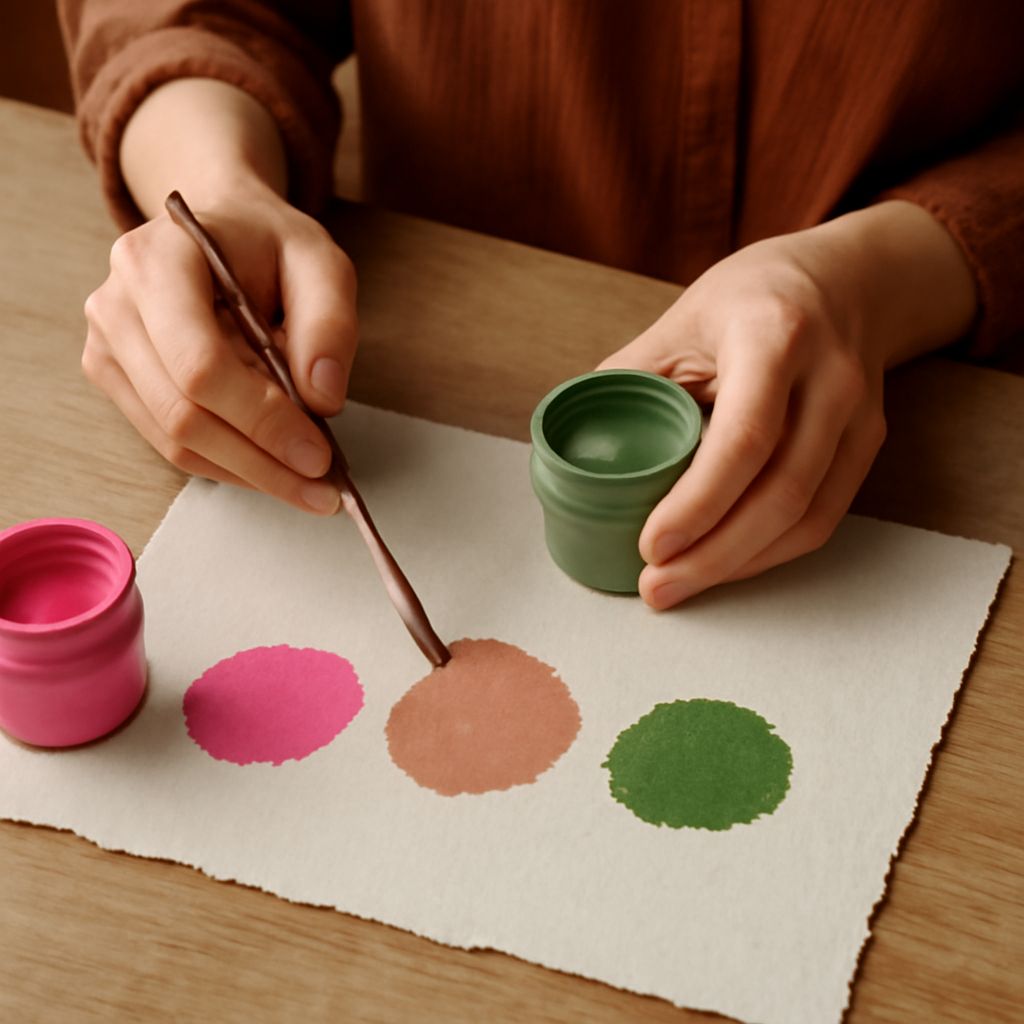
Creating pink paint in watercolor can be as simple or complex as you desire. Begin by selecting your primary red. Mix it with water in increments until you reach the desired lightness. Remember, the more water you add, the lighter and more translucent the pink will become.
For an extra touch, consider adding a small amount of yellow or blue to your red mixture for unique variations. This approach can lead to coral or lavender pinks, expanding your palette and creative possibilities.
How to Make Hot Pink
Hot pink is the vibrant, electrifying cousin of standard pink. To make hot pink, start with a vivid red such as magenta. Mix it with just enough water to maintain its intensity while lightening the shade slightly.
If the pink isn’t bright enough, add a tiny amount of a cooler red or even a dab of violet. The key is to keep adjusting the proportions until the hot pink resonates with the energy and boldness you envision.
Tips for Mixing Watercolors
When mixing watercolors to create pink or any other color, patience and practice are essential. Here are some tips:
- Experiment Freely: Don’t be afraid to try unexpected color combinations. Some of the best hues are discovered by accident.
- Layer Gradually: Build up colors in layers to achieve depth and richness without losing the watercolor’s inherent transparency.
- Use Quality Paper: High-quality paper can handle multiple layers and washes without warping, ensuring your colors stay vibrant.
- Keep a Color Journal: Document your mixtures and results to replicate successful shades in future projects.
Common Mistakes and How to Avoid Them
Even experienced artists encounter challenges with watercolor. Here are some common pitfalls and how to avoid them:
- Over-Mixing: Mixing too many colors can lead to muddy results. Stick to a limited palette to maintain clarity.
- Ignoring Drying Times: Watercolors dry lighter than they appear when wet. Allow layers to dry before adding more, ensuring you achieve the intended color.
- Using Too Much Water: Excessive water can dilute the pigment, making colors appear washed out. Use water sparingly to maintain intensity.
- Skipping the Test Swatch: Always test your color mixes on a separate piece of paper to see how they dry and adjust as needed.
Creating vibrant and dynamic colors in watercolor is an art that requires practice and exploration. Whether you’re learning how to make pink paint for the first time or refining your technique to achieve the perfect hot pink, your creativity and willingness to experiment will guide you towards stunning results. Embrace the fluidity and versatility of watercolor, and let your artistic vision flourish.