Have you ever wondered why the comic lettering font plays such a pivotal role in the world of comics? As you flip through the pages of a graphic novel, the visual impact of the comic book text font is immediate and undeniable. The choice of font not only sets the tone but also guides the reader’s emotional journey. From dramatic action sequences to soft, introspective scenes, the right font can make all the difference. But how do creators choose the perfect comic book lettering font to enhance their storytelling?
The answer often lies in the intricate balance between artistic flair and readability, a task made easier with the help of book illustration software. This article delves deep into the art of using fonts in comics, offering you insights into evolving styles and practical tips for leveraging technology to create captivating designs.
Understanding Comic Book Fonts
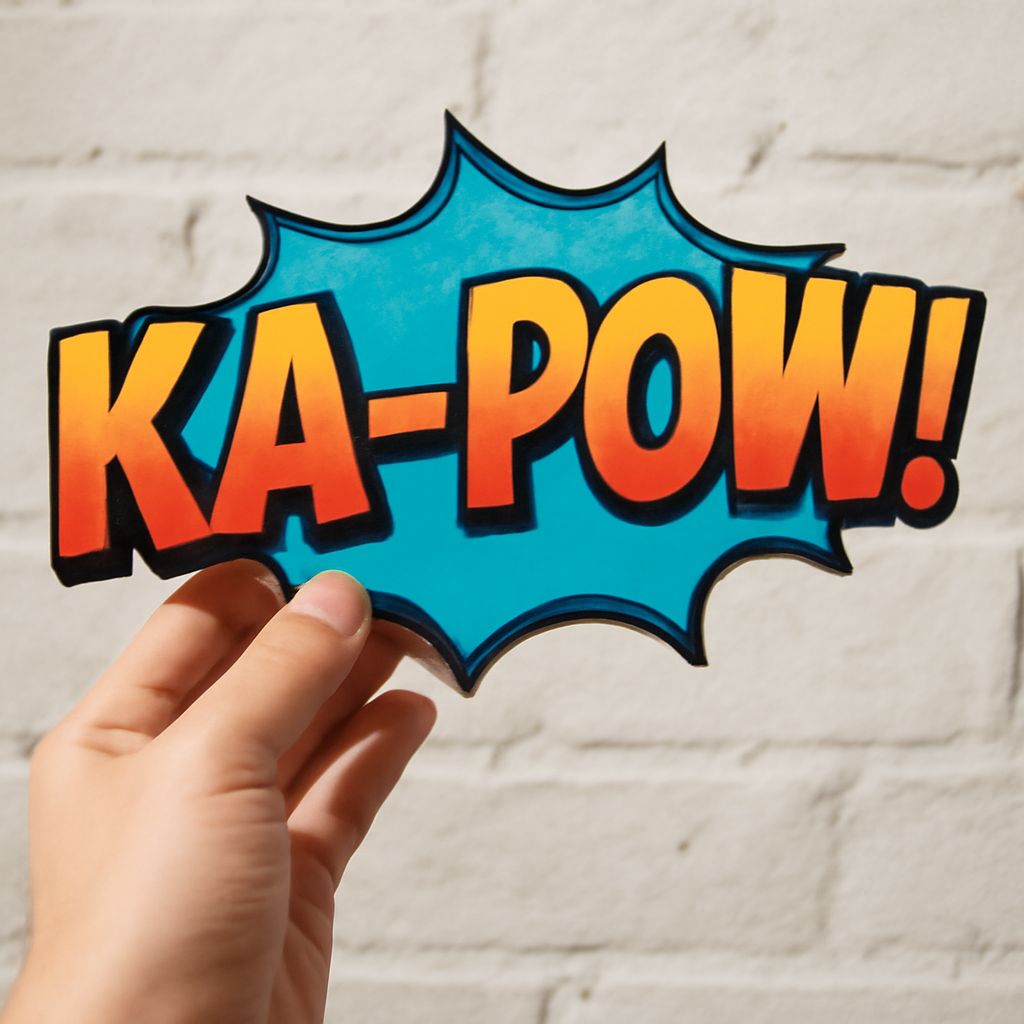
Comic book fonts are more than just letters on a page; they are vital components of storytelling. They bring words to life in a visual format, providing a unique voice and adding depth to the narrative. When selecting a comic book text font, it’s essential to consider how the font reflects the tone of the story. A bold font may suit an action-packed superhero tale, while a lighter, whimsical font might be perfect for a comedic series.
Additionally, the readability of a font cannot be overlooked. Ensuring that your audience can easily read the text is crucial for maintaining engagement. Balancing artistic expression with functional design is the hallmark of an effective comic lettering font.
The Evolution of Comic Lettering Font
The history of comic lettering is a tale of innovation and adaptation. Early comics relied heavily on hand-lettering, where artists meticulously crafted each letter to match the narrative’s tone. This labor-intensive process required exceptional skill and a keen eye for detail.
With the advent of digital technology, the landscape of comic book fonts has expanded dramatically. Modern comic book lettering font options are vast, offering creators unprecedented flexibility. Digital tools have allowed for greater experimentation, enabling artists to quickly iterate and refine their lettering to achieve the desired effect.
Choosing the Right Comic Book Text Font
Selecting the right comic book text font involves several considerations. First, reflect on the genre and theme of your comic. Different genres may call for different styles—mysteries may benefit from a more noir-inspired font, while sci-fi stories might require something futuristic.
Also, consider the emotional impact of your choice. Fonts can evoke emotions just as strongly as the illustrations themselves. A well-chosen font can heighten suspense, enhance humor, or deepen tragedy. Experimenting with different comic lettering font styles during the planning stages can help you find the perfect match for your story.
Creating Unique Styles with Comic Book Lettering Font
Developing a distinctive style is vital for setting your work apart in the competitive landscape of comics. This is where your choice of comic book lettering font becomes a powerful tool. By combining fonts with complementary styles, you can create a cohesive visual language that complements your illustrations and narrative.
Custom fonts are another avenue to explore, especially if your story demands a truly unique voice. Many artists design their own comic lettering font to create a signature look that enhances the reader’s experience and cements their artistic identity.
Leveraging Book Illustration Software for Typography
The role of technology in comic creation is ever-growing, and book illustration software is a game-changer for modern comic artists. These tools offer a wide range of features tailored to help you perfect your fonts, from custom font creation to precise text placement and effects.
Software like Adobe Illustrator or Clip Studio Paint provides intuitive interfaces and powerful tools that allow for easy manipulation of text elements. With the ability to preview different styles in real-time, you can make informed decisions about your comic book text font choices, ensuring they align with your artistic vision.
Tips for Perfecting Your Comic Book Fonts
As you hone your skills in choosing and applying comic book fonts, consider the following tips:
- Consistency: Maintain uniformity in your font choices to create a seamless reading experience. Switching fonts too frequently can distract readers.
- Hierarchy: Use size and weight variations to establish a visual hierarchy, guiding readers through the dialogue and narrative.
- Spacing: Pay attention to kerning and leading. Well-spaced text enhances readability and ensures your dialogue flows naturally.
- Experimentation: Don’t be afraid to try new styles and techniques. Experimenting with different comic book lettering font options can lead to exciting discoveries and innovations.
Mastering the use of fonts in comics is both an art and a science, requiring a blend of creativity and technical skill. By understanding the impact of your font choices and utilizing the tools at your disposal, you can elevate your storytelling and produce work that resonates with readers.
Safety recap: While exploring new tools and techniques, always take care to back up your work regularly and familiarize yourself with software updates and features. Investing time in learning the tools will ensure safe and efficient project development.