Drawing Pencils: How to Pick the Best Pencils for Your Practice
Walk into any art supply store and you’ll find an entire wall of drawing pencils — and almost no explanation of what separates them. The grading system, the brand differences, and the question of which are the best pencils for drawing at your specific skill level are all questions that most artists figure out through expensive trial and error. This guide cuts through that process. Whether you’re looking for the best pencil for drawing portraits, the best drawing pencils for beginners who want a starter set without overspending, or simply the most reliable good pencils for drawing that hold up through long studio sessions, the right information makes the decision straightforward.
The Pencil Grading System Explained
Every drawing pencil carries a grade that tells you where it falls on the hardness-to-softness spectrum. The H grades (2H, 4H, 6H) are hard: they deposit less graphite, produce lighter marks, and hold a sharp point longer. The B grades (2B, 4B, 6B, 8B) are soft: they deposit more graphite, produce darker and more expressive marks, and wear down faster. HB sits in the middle — it’s the standard “writing pencil” grade and a useful all-purpose starting point.
For drawing purposes, you rarely need the extreme ends of the scale. Most artists work primarily within 2H to 6B for the majority of their work, pulling harder grades for construction lines and initial sketching and softer grades for dark shadows and rich tonal areas. Understanding this range is more useful than memorizing specific brand grades.
Best Pencils for Drawing: Top Options by Category
The best pencils for drawing break down into several categories depending on what you need from them. For general sketching and studio work, the Faber-Castell 9000 series is a consistent reference point: the graphite core is centered accurately (important for even sharpening), the grades are true to their labels, and the pencils hold up well in long drawing sessions. Staedtler Mars Lumograph offers a similar level of consistency and is slightly harder across equivalent grades, which some artists prefer for line work.
For expressive, gestural work where you need rich darks quickly, the Derwent Graphic range and the Cretacolor Monolith woodless pencils are worth considering. Woodless pencils have a graphite core running the full diameter of the pencil, which gives you the option to use the side of the pencil for broad tonal coverage — something traditional wood-cased pencils can’t do as efficiently.
Best Pencil for Drawing Portraits
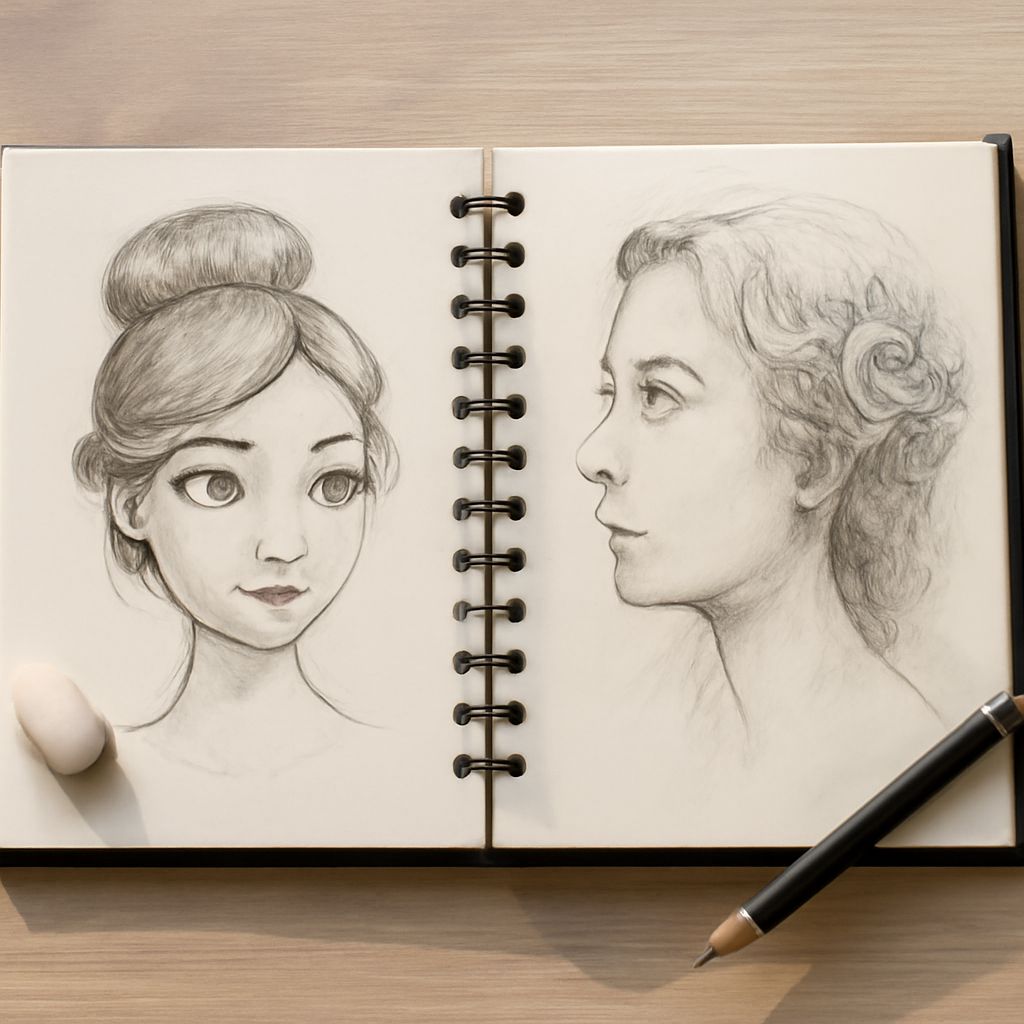
Portrait drawing has specific demands: you need fine control for delicate value transitions around eyes and lips, the ability to lay in broad midtones across cheeks and foreheads, and enough range to drop into deep shadow values without switching pencils constantly. The best pencil for drawing portraits is usually a set that covers at least 2H, HB, 2B, 4B, and 6B grades from a consistent brand. Blending is central to portrait work, and graphite from pencils with a waxy binder blends more smoothly than clay-bound graphite — Tombow MONO pencils and Caran d’Ache Grafwood are worth testing if portrait work is your focus.
Best Drawing Pencils for Beginners
The best drawing pencils for beginners share three characteristics: they’re consistent across grades, they’re available individually so you can replace what you use, and they cost enough to perform reliably but not so much that a broken tip feels like a significant loss. The Faber-Castell 9000 series meets all three criteria and is widely available. So does the Staedtler Mars Lumograph. Either makes a solid starting point for a beginner set.
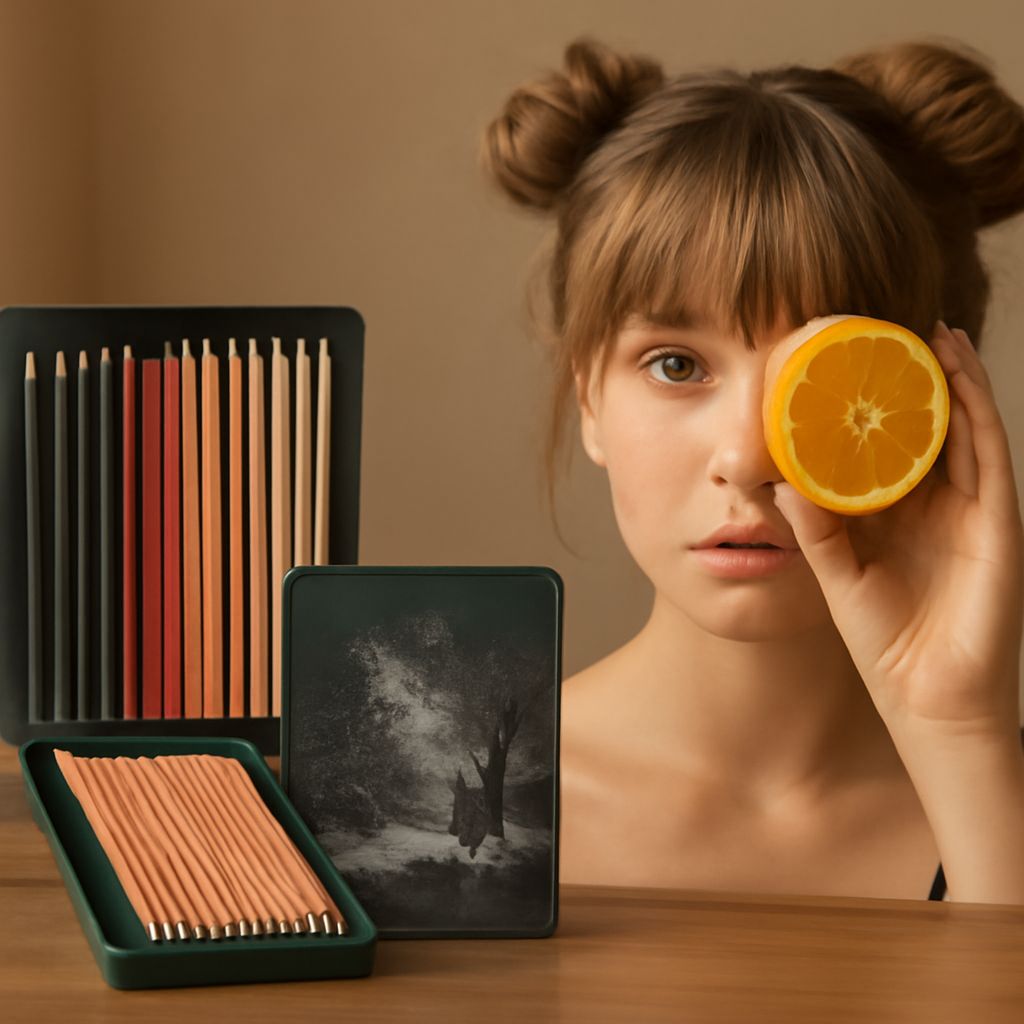
A practical starter set for beginners: 2H, HB, 2B, 4B, and 6B. That five-pencil range covers light construction work, general sketching, midtone shading, and dark accent work. You can add grades as you develop a clearer sense of where your specific process needs more options.
Good Pencils for Drawing on a Budget
Good pencils for drawing don’t require a large investment. The Pentel GraphGear 1000 mechanical pencil performs reliably for precise line work at a fraction of the cost of premium wooden pencils. General’s Kimberly graphite pencils offer consistent grades at a lower price point than the European premium brands. For students and beginners who want good pencils for drawing without committing to high-end sets, these options provide enough performance to learn on without overspending.
The one place it’s worth spending more: your sharpener. A quality sharpener like the Dahle 133 or a good handheld brass sharpener produces a clean, centered point that cheap plastic sharpeners tear rather than cut. A damaged point wastes pencil length and produces rough marks — a problem that compounds over the course of a long drawing session.
Paper Matters as Much as Pencil Grade
The best pencil for drawing in your kit will perform very differently on different paper surfaces. Smooth bristol paper accepts fine detail and blending well — it’s the standard surface for portrait and technical drawing. Rough watercolor paper creates a broken, textured mark that can work for expressive or landscape drawing but makes fine detail extremely difficult. Hot press paper sits between the two. When you’re evaluating drawing pencils, test them on the paper you actually use rather than assuming that performance on one surface predicts performance on another.
Caring for Your Drawing Pencils
Store pencils horizontally or with tips up — tips-down storage in a cup lets the weight of the pencil work against the fragile graphite core, increasing breakage when you sharpen. When a pencil develops internal cracks from being dropped, you’ll know: every sharpening produces a broken tip. The fix is to roll the damaged section in a piece of cloth and press gently to stabilize the core before sharpening again at a very shallow angle.
Pro tips recap: Start with a five-grade set from a consistent brand, match your pencil choice to your paper surface, invest in a quality sharpener, and store pencils horizontally. The difference between the best pencils for drawing and average ones is most visible in your actual results — so test any new pencil thoroughly on your regular paper before committing to a full set.