Pencil Drawing Ideas: Cool Sketches and Awesome Techniques to Try
Running out of things to draw is rarely really about running out of subjects. It is usually about lacking a starting point that feels worth the investment. Pencil drawing ideas work best when they match your current skill level while offering something slightly challenging. Cool pencil drawings do not require exotic subjects or special techniques. They require choosing a subject that genuinely interests you and approaching it with real observation. Whether you want quick pencil sketch ideas to warm up or longer studies to build toward cool pencil sketches that push your technical abilities, this guide covers both the ideas and the method.
The best awesome pencil drawings come from sustained practice combined with deliberate subject selection. Build a practice that mixes fast gesture work with focused observational studies.
Subject Categories for Pencil Drawing
Good pencil drawing ideas span a range of complexity levels. Beginners benefit from simple well-lit still life subjects where forms are clear and shadows are readable. Intermediate artists benefit from subjects with interesting texture, complex light, or narrative content.
Still Life Objects
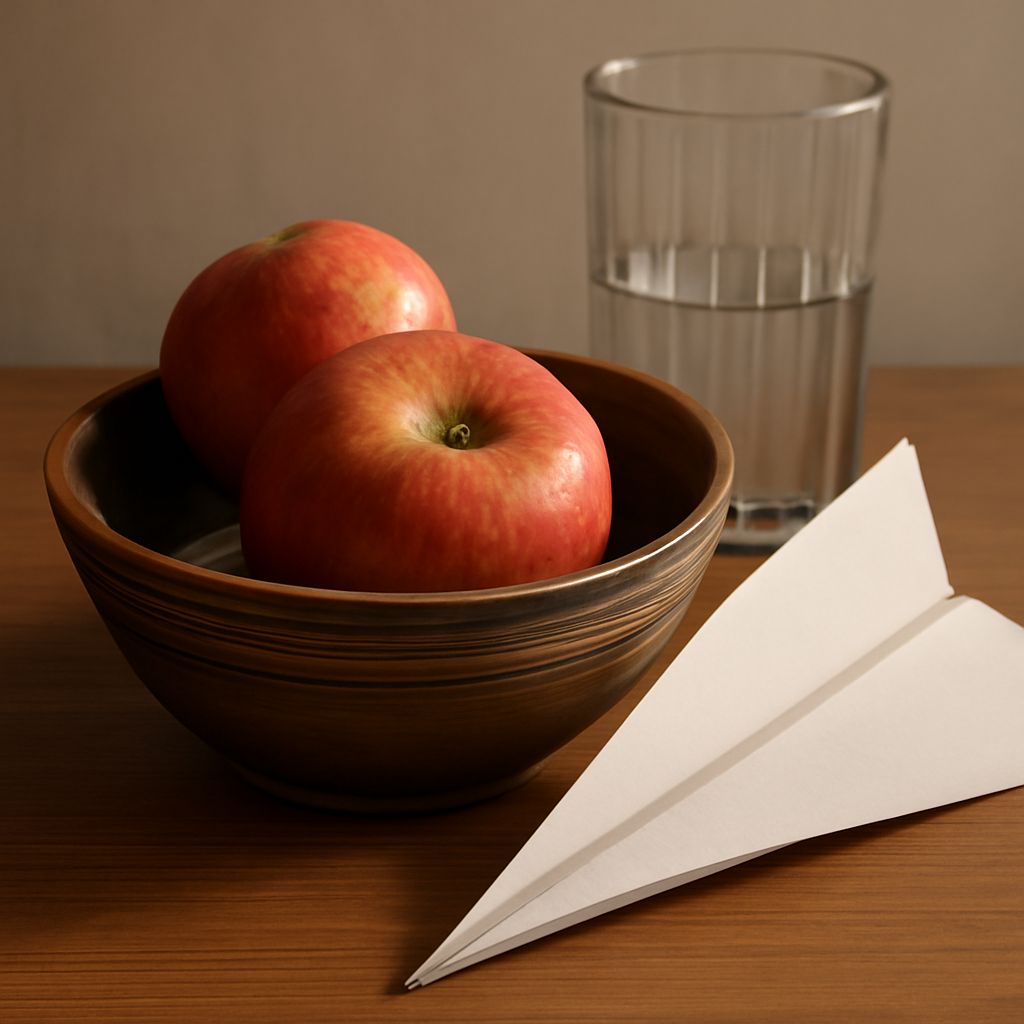
A single crumpled piece of foil is one of the most effective pencil subjects available. The faceted surfaces create dramatic value contrasts and the irregular forms require genuine observation. For pencil sketch ideas that build specific skills, match the object to the skill you want to develop: glass for transparency, fabric for soft gradients, metal for high-contrast reflections.
Natural Subjects
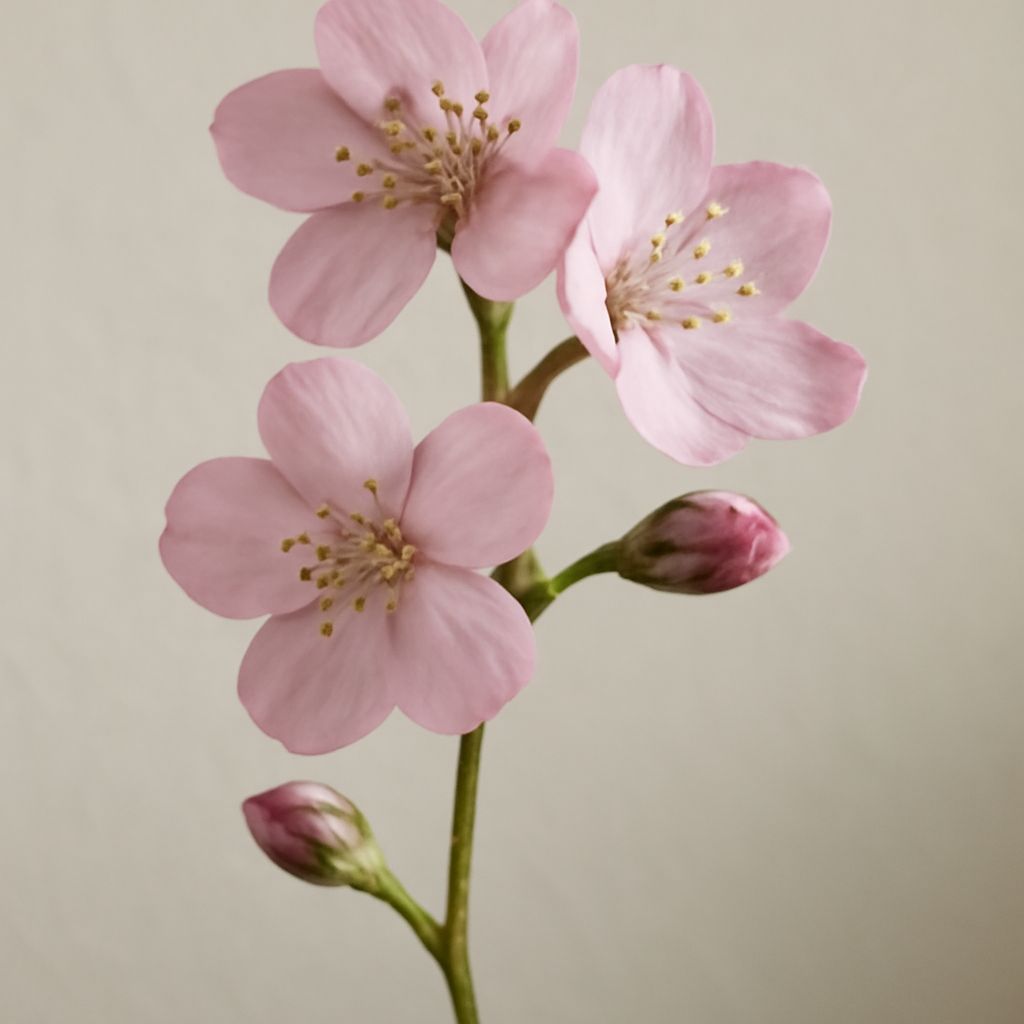
Plants, feathers, rocks, and shells reward close observation with distinctive texture and form variety. A leaf study requires careful attention to the midrib, the edge serration, and the way the surface reflects light differently across its curved plane. These qualities make botanical subjects among the most effective pencil drawing ideas for building observational precision.
Architecture and Urban Sketching
Cool pencil drawings of architectural subjects develop perspective understanding. Start with single-point perspective views of corridors before attempting two-point perspectives of buildings. Urban sketching adds time pressure that improves gestural confidence and decision-making speed.
Techniques That Make Pencil Work Compelling
The difference between competent and compelling cool pencil sketches often lies in technique choices rather than subject matter. Varied mark-making, decisive value contrast, and selective detail that guides the viewer attention all contribute to work that feels alive rather than mechanical.
One technique worth practicing for awesome pencil drawings: work from dark to light using a subtractive approach. Cover the surface with a medium-value tone, then remove graphite with an eraser to establish lights, adding darker pencil for shadows. This reversal of the typical additive process produces atmospheric results that differ meaningfully from standard drawing techniques.
Building a Consistent Practice
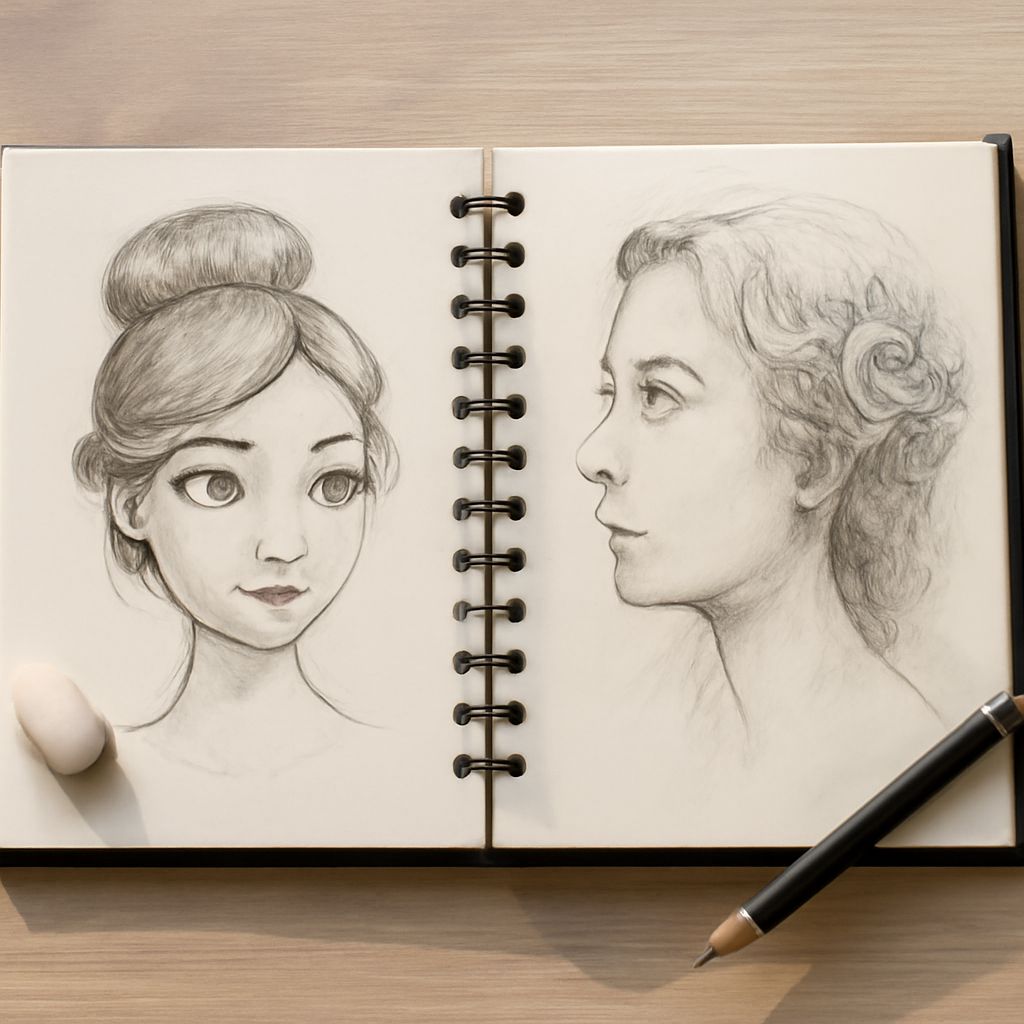
Consistent practice beats occasional inspiration for developing as a pencil artist. Keep a sketchbook dedicated to quick pencil sketch ideas of five to fifteen minutes each. These are observational exercises that build visual vocabulary for longer, more deliberate work.
Set aside one longer session per week for a deliberate study targeting a current weakness. If your understanding of value is weak, draw subjects with dramatic lighting. Using your pencil drawing ideas this way turns practice into targeted skill development. Over months, your awesome pencil drawings will show measurable improvement in the areas you identified as weak.