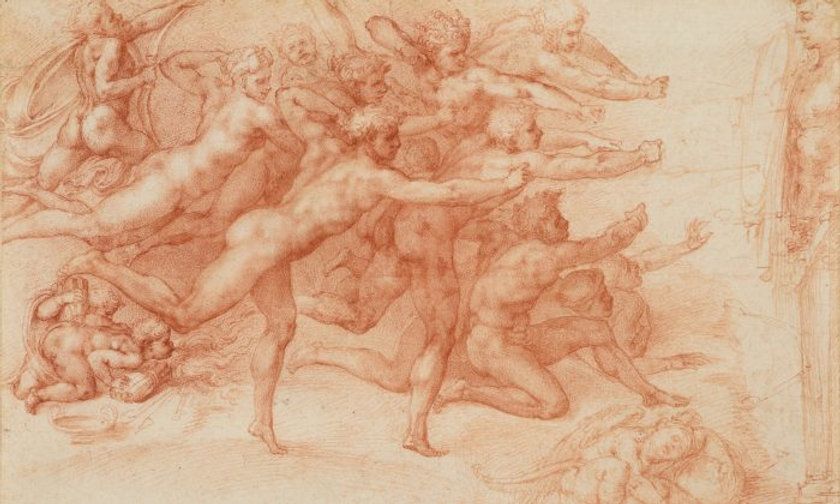
Charcoal Figure Drawing: Female Figure Reference, Sketches, and Techniques
What is it about charcoal that makes it such a natural fit for the human figure? The medium’s softness mirrors the rounded, gradual transitions of muscle and skin in a way that harder media — graphite, ink — can approximate but never quite match. Charcoal figure drawing has been at the center of atelier training for centuries precisely because it forces artists to think in values, masses, and planes rather than outlines. Working from female figure drawing reference in charcoal teaches you to see the figure as a three-dimensional object in light rather than a collection of lines.
This guide covers the specific techniques involved in drawing the female figure in charcoal, how to use figure drawing sketches as preliminary studies for more finished work, and strategies for building figure drawing female anatomy knowledge that makes your work convincing from memory as well as from reference.
Why Charcoal Works for Figure Drawing
Charcoal figure drawing works because of the medium’s unique properties: it applies quickly, erases easily, blends with a finger or stump, and covers large areas fast. For figure work, where you often have limited time with a model and need to capture a pose quickly, these properties are invaluable. Charcoal also forces you away from linear thinking — you can’t build a convincing figure in charcoal by outlining and filling in, so the medium pushes you toward the mass-based approach that produces stronger figure work.
Vine charcoal is the most flexible for initial work — it applies lightly and erases almost completely. Compressed charcoal goes darker and adheres more firmly. Using both in combination gives you a full range from delicate midtones to rich deep shadows. Charcoal pencils allow detail work when you need precise marks in specific areas.
Female Figure Drawing Reference: What to Look For
Good female figure drawing reference shows the figure in varied poses with clear, consistent lighting. Natural lighting from a single direction produces the clearest value structure — shadows fall in a coherent pattern that’s easy to read and reproduce. Flat, diffuse lighting flattens the figure and makes it harder to read the forms you need to understand.
When selecting female figure drawing reference, prioritize poses that challenge your weakest areas. If foreshortening is difficult, seek references with extreme perspectives. If you struggle with the seated figure, work from seated poses until they become comfortable. The tendency to always draw the same comfortable poses is what keeps artists at a plateau — deliberate practice with challenging references is what builds new capability.
Drawing the Female Figure: Structural Approach
When drawing the female figure, start with the structural gesture — the line of energy running through the pose — before any detail. Then establish the three major masses: head, rib cage, and pelvis. These masses tilt and rotate independently; getting their relative positions right early determines everything that follows.
The female figure in charcoal benefits from a mass-first approach because the broader value masses of the form — large shadow areas, large light areas — establish the three-dimensional reading before any surface detail is added. Work large to small: establish major values first, then midtones, then accents and details. Resist the urge to detail areas before the whole figure’s value structure is established.
Key Anatomical Landmarks
Certain landmarks anchor the figure: the base of the neck where it meets the clavicle notch, the iliac crests at the top of the pelvis, the greater trochanters at the outer hips, and the knees and ankles. Mark these lightly early in your drawing, then build the forms between them. These landmarks don’t change regardless of overlying mass — they’re the skeleton showing through.
Handling Transitions
The transitions between light and shadow are where charcoal excels. Use your finger or a tortillon to soften the edge between values wherever the form curves gradually. Leave crisp edges where planes change direction sharply — typically at bony landmarks or the leading edge of a muscle form. Varying edge quality between soft and crisp creates a compelling sense of three-dimensional form.
Figure Drawing Sketches as Working Studies
Figure drawing sketches in charcoal serve as problem-solving tools rather than finished pieces. Use quick sketches — five to ten minutes — to explore poses, value compositions, and compositional arrangements before committing to a longer study. Fill pages with small thumbnail figure drawing sketches exploring different value arrangements of the same pose before beginning a detailed drawing.
Keep all your figure drawing female studies dated and in sequence. Looking back at sketches from months earlier shows progress that’s invisible from day to day, and old sketches often contain solutions to problems you’re currently struggling with. The archive of your own work is one of your most valuable learning resources.