Calligraphy Pen Guide: Markers, Oblique Pens, Fountain Pen Comparison
Which pen should you reach for when you want to write calligraphy? The answer depends entirely on which style you want to practice, what level of mess you can tolerate, and whether you prefer the portability of self-contained tools or the control and expression of traditional dip pen setups. Calligraphy pen options span from simple markers you can use on a train to specialized oblique holders that require ink pots and careful maintenance. Calligraphy markers make the medium immediately accessible. Understanding the fountain pen vs calligraphy pen distinction clears up a common confusion. The difference between using a calligraphy marker and a traditional dip nib shapes your entire practice experience. And the oblique calligraphy pen opens up pointed pen scripts like Copperplate and Spencerian that are nearly impossible to execute correctly with a straight holder.
This guide covers all the major tool categories, their appropriate applications, and how to choose the right tool for where you are in your calligraphy practice.
Types of Calligraphy Pens
The calligraphy pen category encompasses far more variety than most beginners realize. Broad-edge nibs create the thick-thin contrast characteristic of Gothic, Italic, and Roman letterforms. Pointed nibs create contrast through pressure variation — pressing harder spreads the tines apart for a thick stroke, while light pressure keeps them together for a thin hairline. Brush pens use a flexible tip rather than a metal nib. Each type has completely different technique requirements and produces visually distinct results.
Understanding which category of calligraphy pen you need before purchasing prevents the common frustration of buying broad-edge tools for Copperplate practice or pointed tools for Gothic scripts. These errors happen frequently because beginners do not yet know that the tools are not interchangeable across script families.
Calligraphy Markers for Accessible Practice
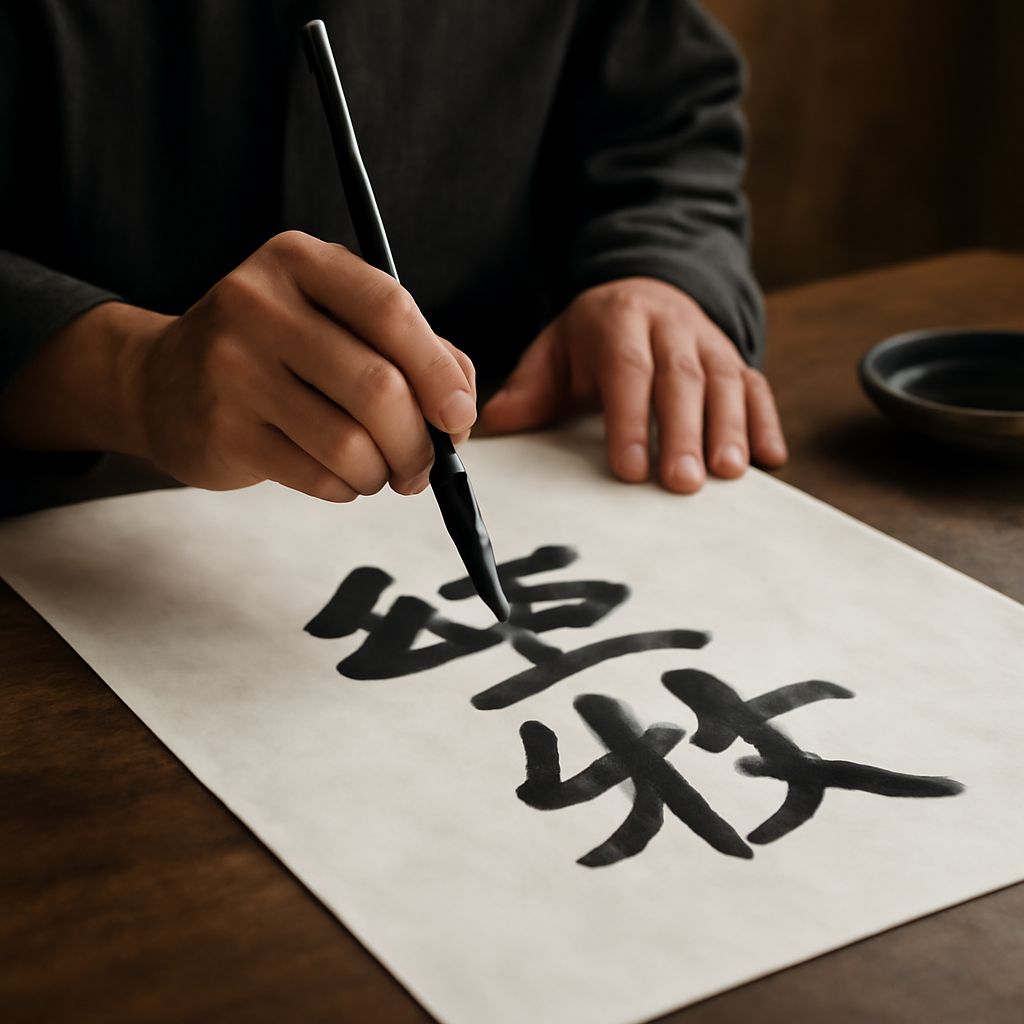
Calligraphy markers are self-contained tools with a felt or nylon tip that has a chisel edge for broad-edge script practice. They require no ink setup, travel easily, and produce consistent results without the variability of dip nibs. This makes calligraphy markers an excellent starting point for beginners who want to explore the medium before investing in traditional dip pen equipment.
The main limitations of calligraphy markers: the fixed ink color and tip width limits your options, the tips wear down with use and must be replaced rather than swapped as with dip nibs, and the ink chemistry is different from traditional iron gall or sumi inks which changes how the letterforms look on paper. Quality calligraphy marker brands include Tombow, Pentel, and Pilot, with multiple tip widths to match different script scale requirements.
Fountain Pen vs Calligraphy Pen
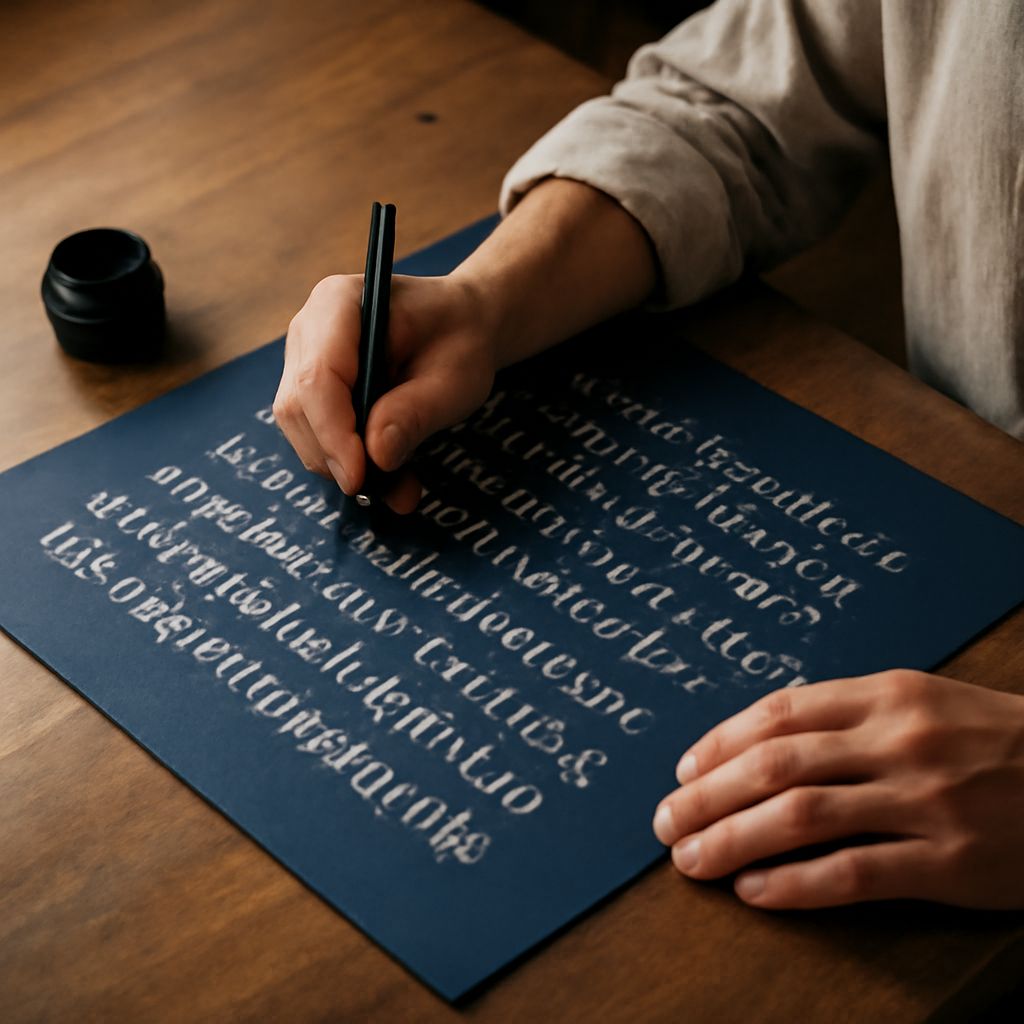
The fountain pen vs calligraphy pen distinction trips up many beginners because fountain pens with italic or stub nibs look similar to broad-edge calligraphy pens and produce similar-looking results. The key differences: a fountain pen has a built-in ink reservoir and feed system that maintains consistent ink flow automatically. A traditional calligraphy pen with a dip nib requires you to reload ink manually and manage the ink flow through the nib’s groove system and the paper surface.
For fountain pen vs calligraphy pen practicality: fountain pens with italic nibs are more convenient for sustained writing in calligraphic styles because you do not stop to reload ink. Traditional dip nibs allow you to switch nibs instantly and use any ink including gold, metallic, and specialty inks that are incompatible with fountain pen feed systems. For serious calligraphy practice and finished work, most practitioners use both — fountain pens for daily writing and practice warm-ups, dip nibs for final work and specialty applications.
The Oblique Calligraphy Pen
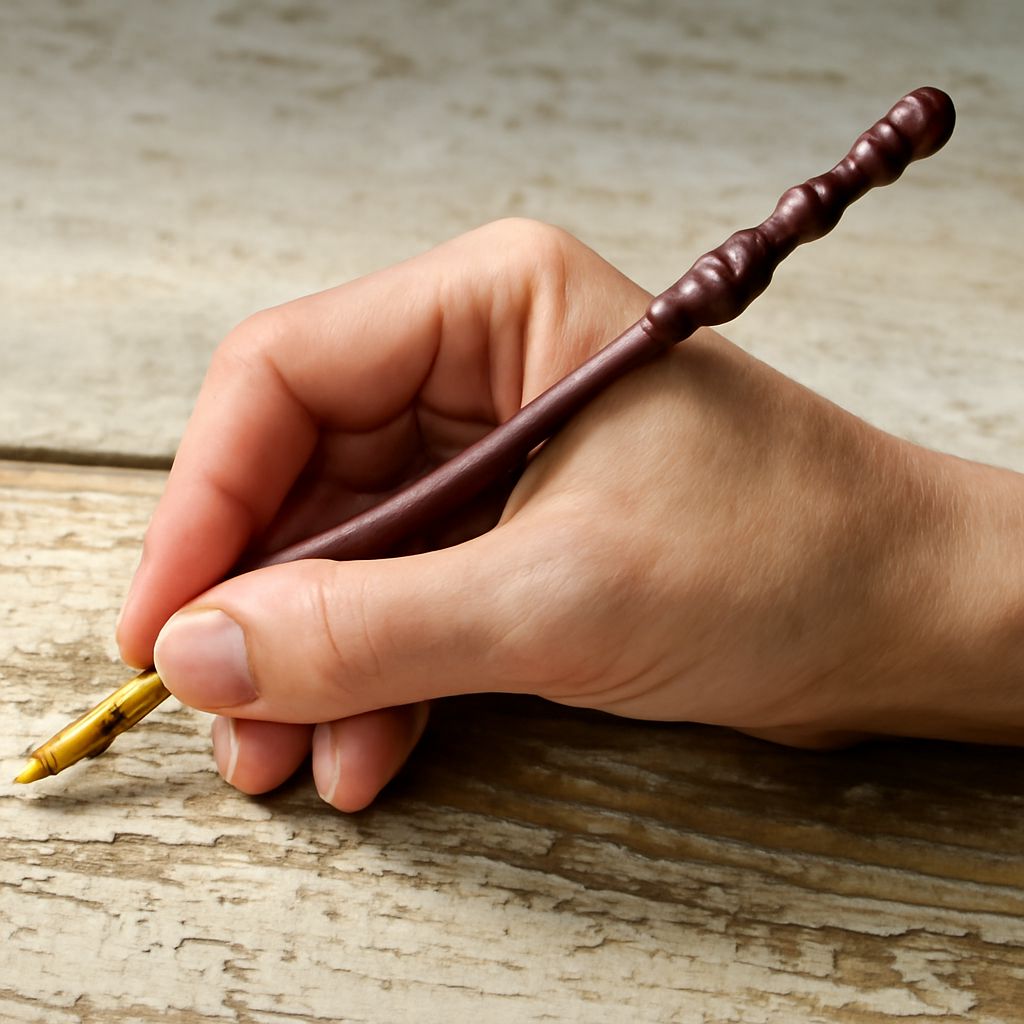
The oblique calligraphy pen is a specialized holder with an angled flange that holds the nib at an offset angle from the holder axis. This offset is essential for pointed pen scripts like Copperplate and Spencerian that require extreme right-angle slant — typically 52 to 55 degrees. Writing at this slant with a straight holder would require rotating your wrist to an uncomfortable and unsustainable angle. The oblique calligraphy pen holder puts the nib at the correct angle while keeping your wrist in a natural position.
Choosing an oblique calligraphy pen: the critical variable is the flange (also called the pen rest) that holds the nib. Adjustable flanges can accommodate different nib sizes. Fixed flanges are optimized for specific common nibs. For beginners, a basic adjustable flange holder in the $15 to $25 range provides the essential function. More expensive turned wooden holders are beautiful objects but do not produce better calligraphy than well-made economical ones.