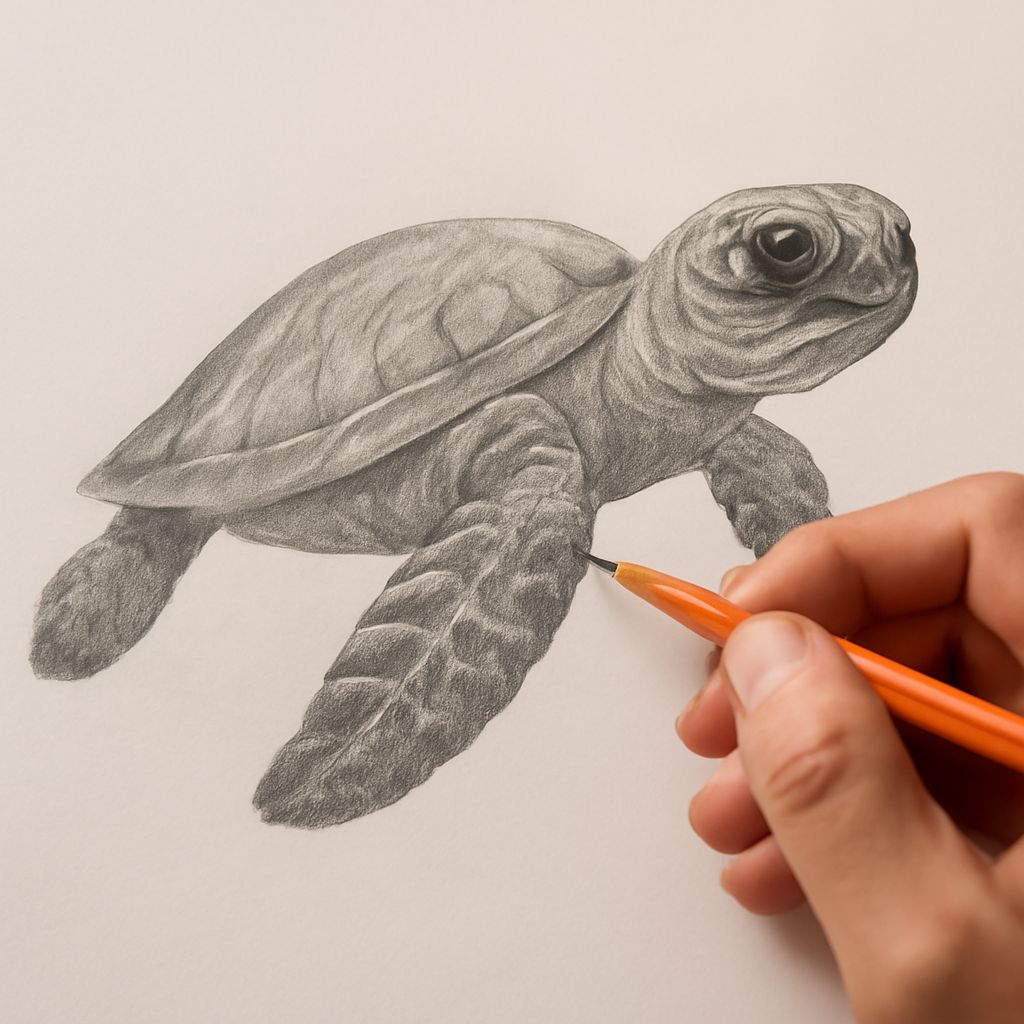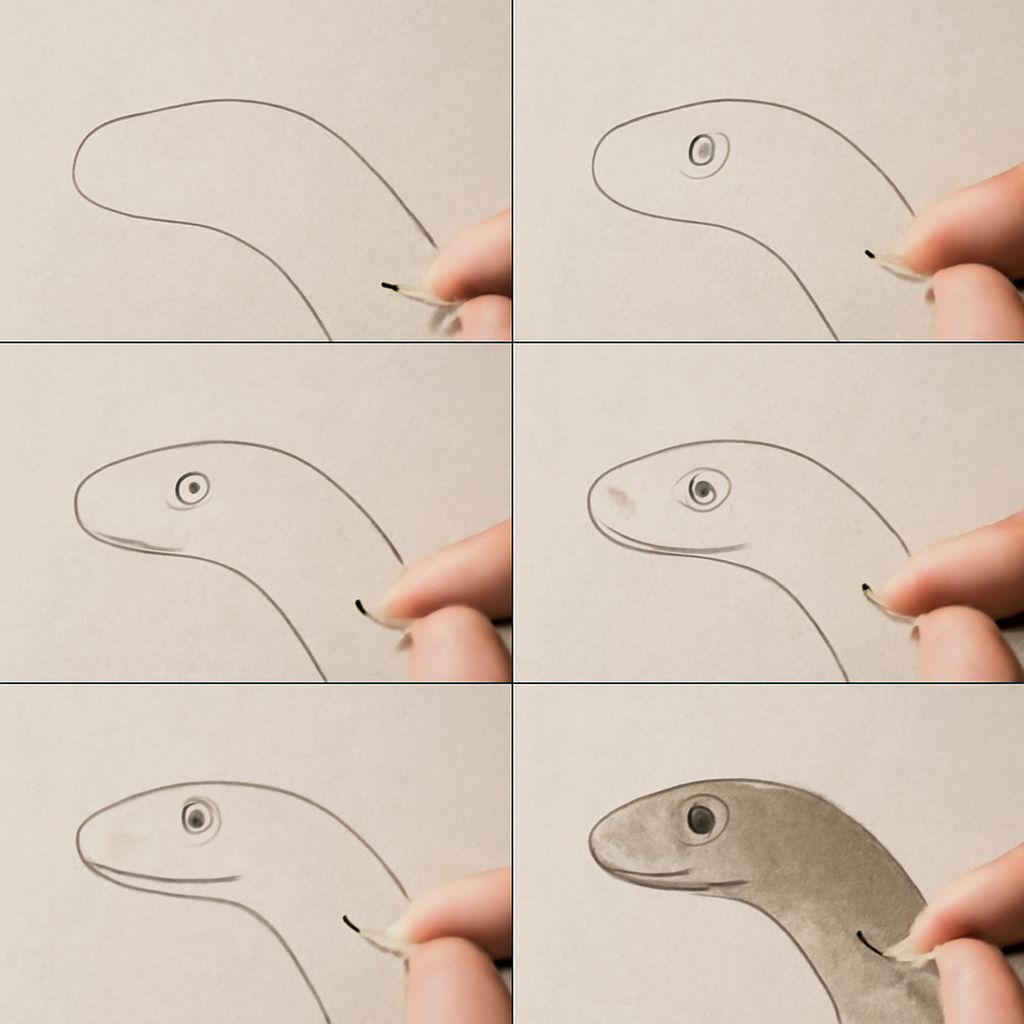
Bird Drawing Reference, Hugging Drawing Reference, and Cuddling Reference Guide
Why does having the right reference make such a dramatic difference in drawing quality? Because good bird drawing reference shows you things you could not predict from imagination — the exact angle of a wing in mid-beat, the way the body compresses on landing, the specific curve of a bill at rest. Similarly, hugging drawing reference shows you the complex figure overlaps and body compression that embrace poses create, which are nearly impossible to construct accurately from imagination alone. Hug drawing reference provides the specific visual information — where arms cross behind, how heads tilt, how bodies press together — that separates convincing embraces from stiff figures placed near each other. Cuddling drawing reference extends this to the more relaxed, casual physical closeness of non-embrace intimate poses. And a quality hugging reference drawing session can transform how you approach all complex multi-figure compositions.
This guide covers where to find quality reference for each category and how to use it productively rather than just copying it passively.
Bird Drawing Reference: What to Look For
Quality bird drawing reference for illustration or naturalistic drawing purposes shows birds in clear light with enough image resolution to study feather structure, bill shape, and body proportion accurately. Photographs taken from bird-level rather than overhead angles show the actual body proportions; photographs taken from directly above compress the bird and distort its proportions in ways that mislead drawing.
The best bird drawing reference sources: Cornell Lab of Ornithology’s Macaulay Library provides thousands of high-resolution bird photographs organized by species. The Internet Bird Collection offers video reference showing birds in motion, which is invaluable for wing position studies. Museums with natural history collections often have study skins available for researchers — contact the collections department if you need reference for a specific species. For common birds, quality wildlife photography on sites like Flickr under Creative Commons licensing provides workable reference freely.
When using bird drawing reference, study multiple images of the same species from different angles and in different poses before drawing. Single-image copying produces accurate reproductions of one photograph rather than genuine understanding of the bird’s three-dimensional form. Multiple-image study builds the spatial model that allows you to draw the bird from any angle.
Hugging Drawing Reference: The Technical Challenges
Hugging drawing reference serves one of the most technically demanding figure composition scenarios: two figures whose bodies overlap in complex ways, with arms wrapping around bodies, heads in close proximity, and compressed anatomy at contact points. Without good hugging drawing reference, these compositions quickly become stiff, spatial problems become guessed incorrectly, and the emotional warmth of the embrace is lost in technical awkwardness.
The specific technical information that hug drawing reference provides: how the near figure’s far arm disappears behind and then emerges from the other figure’s body; how bodies compress at chest and hip contact zones; how the face angle of the hugging figure relates to the shoulder and neck of the hugged figure; and how the weight distribution in a standing embrace creates slight forward-and-together lean in both figures. None of these details can be reliably predicted from imagination — reference reveals them concretely.
Hug Drawing Reference Sources
Finding good hug drawing reference requires more effort than single-figure reference because fewer stock photography resources specifically cover poses involving physical contact. Useful sources: Pinterest boards dedicated to couple pose reference aggregate useful reference images with searchable tags. Adobe Stock and Shutterstock have couple pose categories with professional-quality hugging drawing reference photography. SenshiStock on DeviantArt has couple pose reference sets specifically organized for artists. Three-dimensional pose tools like Design Doll and Clip Studio Paint’s pose feature allow you to construct custom embrace configurations that no single photograph covers.
For hug drawing reference you create yourself: photograph a willing friend in the pose you need using your phone. Even low-quality photographs that show the specific overlap and body position information you need are more useful than high-quality reference of the wrong configuration. Artist references always benefit from custom photography when standard sources do not cover the specific arrangement required.
Cuddling Drawing Reference for Relaxed Intimacy
Cuddling drawing reference addresses the relaxed, casual close physical contact that differs from formal embraces: people leaning against each other on a couch, a person resting their head on another’s shoulder, two figures lying side by side, a figure curled against another while sleeping. These poses require different reference than standing hugs because gravity distributes the figures’ weight and creates different compression and contact dynamics.
Good cuddling drawing reference shows the specific ways that relaxed, comfortable physical closeness changes body language and posture compared to formal poses. Muscle groups that are engaged in standing figures relax completely in resting poses, creating different surface form. The specific vocabulary of cuddling drawing reference — how limbs intertwine, how heads find comfortable resting positions, how bodies accommodate each other in relaxed contact — requires reference that shows these dynamics rather than constructed formal poses.