Bird Illustration: From Nature Studies to Patent Drawing and Digital Challenges
What do bird illustration, patent illustration, and daily drawing challenges have in common? More than you might expect. Each demands precision, clarity, and the ability to communicate complex visual information without ambiguity. Whether you’re drawing a warbler’s wing structure for a field guide, producing patent illustration documentation for a mechanical device, or working through an illustration challenge to sharpen your skills, the underlying principles of clear, purposeful mark-making connect them all.
This guide explores how bird illustration techniques intersect with technical drawing disciplines, how patent drawing software can support illustration workflows beyond its intended use, how illustration paper choices affect your final output, and how a structured illustration challenge can transform a stalled practice into a productive one.
Bird Illustration as a Foundation for Technical Drawing
Observation and Precision
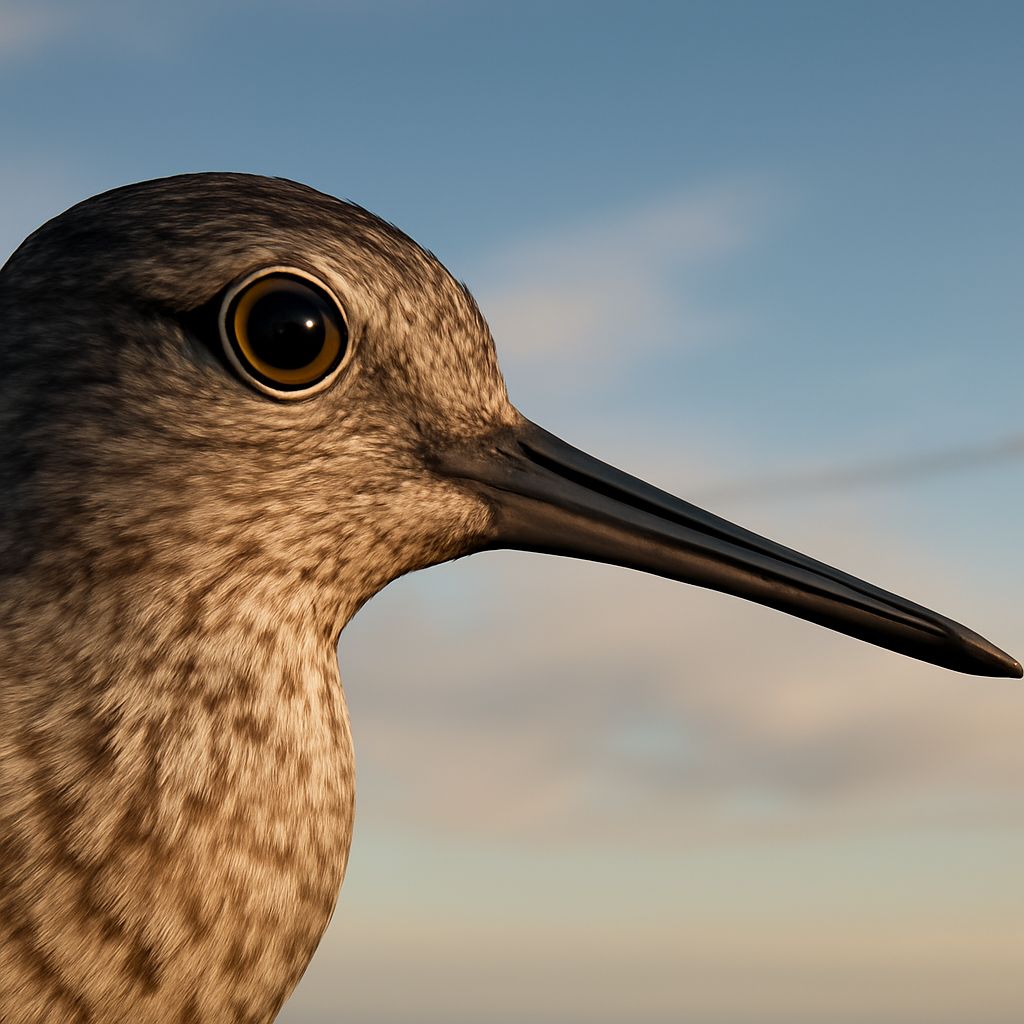
Bird illustration builds observational precision faster than almost any other drawing subject. Birds have highly defined structural features that require accurate placement: the relationship between bill, eye, and ear coverts; the layering of primary, secondary, and covert feathers; the angle of the tarsus and toe arrangement. Getting these wrong produces illustrations that feel generically birdlike rather than species-specific.
This same precision transfers directly to technical illustration disciplines. When you’ve trained your eye to notice the exact shape and placement of a bird’s eye ring or the precise angle of its wing during a specific flight phase, you’re developing the observational habits that make patent illustration possible. Both fields reward artists who draw what they actually see rather than what they expect to see.
Line Quality in Bird Studies
Strong bird illustration relies on confident line quality. Feather groups require different mark types: contour lines for the outermost feathers, shorter calligraphic marks for texture within feather groups, and fine stippling or cross-hatching for shadow areas. Practicing these mark types in bird studies gives you a vocabulary of techniques that apply across illustration disciplines, from wildlife art to patent illustration technical linework.
Patent Illustration and Technical Drawing Principles
What Makes Patent Drawing Different
Patent illustration follows strict conventions established by the United States Patent and Trademark Office and equivalent bodies in other jurisdictions. Drawings must use solid black lines on white, with no gray tones, photographs, or color. Shading is achieved through line work only, using parallel lines of consistent weight. Figure numbers, reference numerals, and leader lines must follow specific placement conventions.
The discipline required for compliant patent illustration is exactly the kind of technical constraint that makes artists better. Working within rigid rules forces you to solve visual problems through mark-making efficiency rather than relying on color, texture, or photographic reference. These constraints produce illustrators who can communicate complex three-dimensional information with minimal means.
Using Patent Drawing Software in Your Practice
Patent drawing software is designed to produce line drawings that meet USPTO specifications. Programs like Adobe Illustrator (configured for the task), Inkscape, or dedicated tools like PatentDraw give you vector-based precision that scales without degradation. But patent drawing software also offers something useful to non-patent illustrators: the discipline of vector-based linework, where every stroke is intentional and editable.
Using patent drawing software for bird illustration projects might seem unconventional, but the precision it demands improves your general illustration thinking. When every line is a deliberate vector path, you stop making casual marks and start thinking architecturally about your image construction.
Illustration Paper: Choosing Your Foundation
Illustration paper choices affect your line quality, ink behavior, and the final scan or photograph of your work. For detailed technical linework, smooth Bristol board gives you the cleanest line edges and allows fine detail without paper texture interfering. Hot-press watercolor paper offers a similar smooth surface with the added benefit of accepting watercolor washes if you want to add light color to your bird illustration work.
Cold-press paper introduces more texture, which can be desirable for expressive bird studies but problematic for the precise, clean lines that patent illustration requires. Matching your illustration paper to your technique prevents the frustration of discovering that your chosen medium and surface are working against each other. Test paper samples before committing to a large quantity for any significant project.
Using an Illustration Challenge to Build Consistency
An illustration challenge, whether a thirty-day prompt series, a hundred-day project, or a weekly theme challenge, creates the external accountability structure that many artists need to maintain consistent practice. The specific subject matter matters less than the regularity. But choosing a challenge focused on birds or technical subjects compounds the benefit: you build specific expertise rather than scattering your practice energy across unrelated subjects.
Document your challenge work consistently. Date every piece, note what reference you used, and write a brief sentence about what you learned or what you’d approach differently. Over thirty or a hundred days, this documentation becomes a genuine learning record rather than just a portfolio of work.
Bottom line: Bird illustration is one of the most demanding and rewarding foundations for any illustrator’s practice. The precision it requires translates directly to patent illustration and technical drawing. Choosing the right illustration paper and using patent drawing software thoughtfully can sharpen your technical skills, while committing to an illustration challenge builds the consistency that separates developing artists from working professionals.