Best Mechanical Pencil for Drawing: Watercolor Pencil Drawings and Top Picks Compared
What distinguishes the best mechanical pencil for drawing from one that merely works adequately? The difference shows up in extended drawing sessions: grip fatigue, lead breakage frequency, line consistency under varying pressure, and how well the pencil handles the specific techniques you use most. Whether you’re searching for the best mechanical drawing pencil for precise linework, the best drawing mechanical pencil for expressive sketching, or quality mechanical drawing pencils that hold up to daily studio use, the evaluation criteria are specific and worth understanding before you buy.
This guide also covers watercolor pencil drawings as a complementary technique, explaining how they work differently from standard graphite mechanical pencils and when the watercolor approach offers advantages that dry graphite cannot match.
What Makes the Best Mechanical Pencil for Drawing
Lead Diameter and Line Character
The best mechanical pencil for drawing at any specific application starts with lead diameter selection. 0.3mm leads produce the finest possible lines, approaching the fineness of a sharp technical pen, but require very light pressure to avoid constant breakage. This diameter suits detailed precision work. 0.5mm is the most versatile diameter for the best drawing mechanical pencil applications, offering sufficient fineness for detailed work while tolerating moderate pressure without constant breakage. 0.7mm and 0.9mm are better choices for sketching and expressive drawing where bold marks matter more than precision.
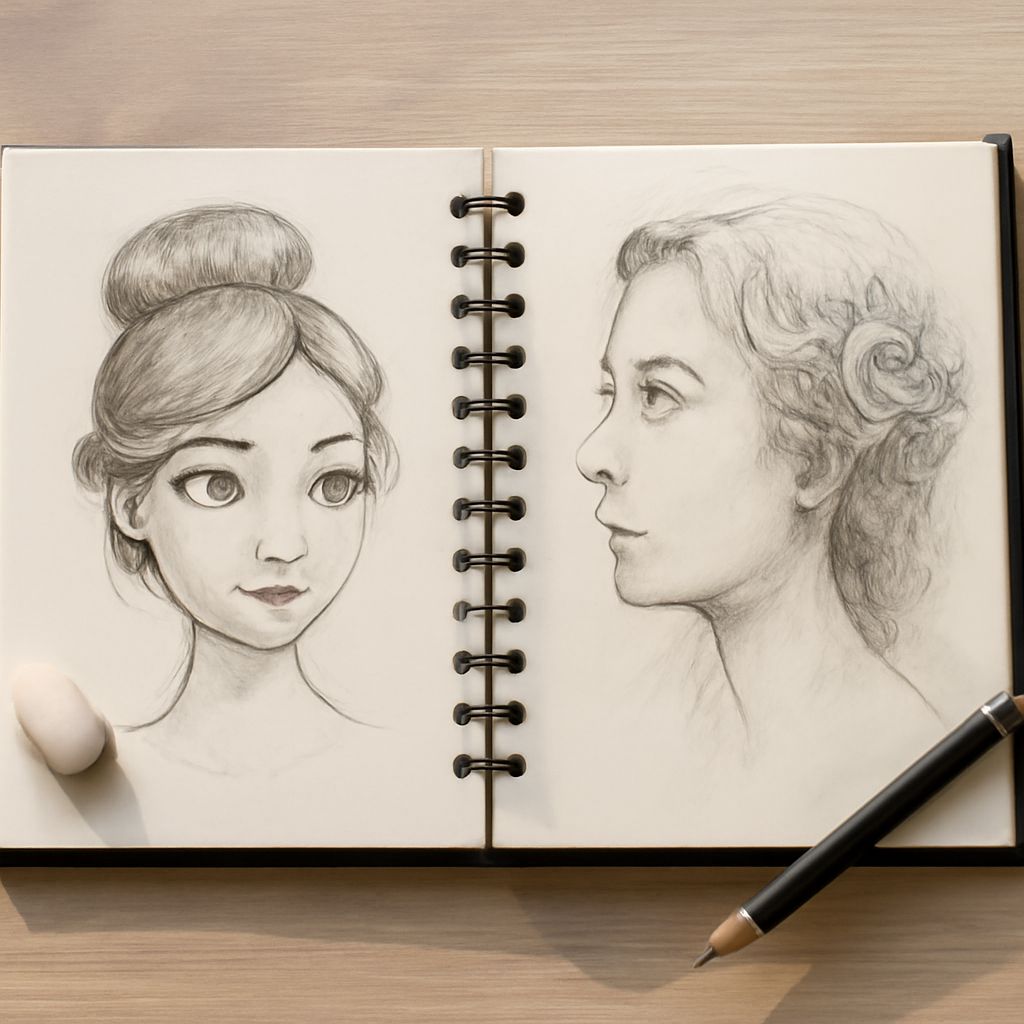
Lead grade compounds this choice. H grades produce harder, lighter lines. B grades produce softer, darker lines. The best mechanical drawing pencil for portraiture or detailed illustration typically uses a 0.5mm or 0.3mm pencil loaded with 2B lead, which gives fine line potential with enough darkness for clear marks at scanning resolution.
Build and Balance Quality
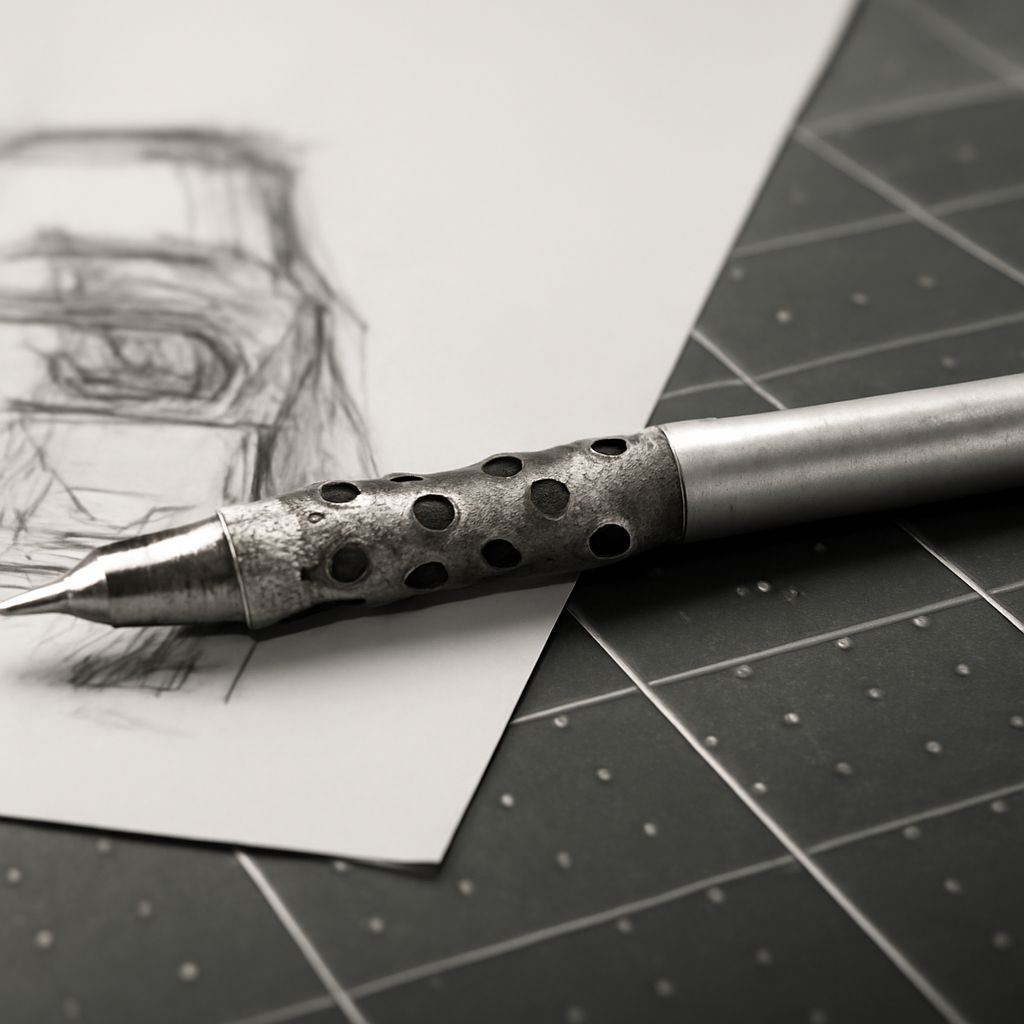
Best mechanical drawing pencils in the professional range use metal bodies rather than plastic. Metal provides better balance, more consistent weight distribution across long drawing sessions, and durability that outlasts plastic by years. The Pentel GraphGear 1000, Rotring 600, and Staedtler 925 series consistently appear in professional artist recommendations as best drawing mechanical pencil options because they combine metal construction with precise mechanisms and comfortable grip profiles.
Best Mechanical Drawing Pencils by Use Case
For technical and architectural drawing, the best mechanical pencil for drawing prioritizes precision and lead advance consistency. Rotring 600 and 800 models use a retractable tip mechanism that protects the lead during transport and provides consistent extension during drawing. For illustration and sketching, the best drawing mechanical pencil often prioritizes grip comfort and mechanism smoothness over the technical precision features that matter less in expressive work.
Best mechanical drawing pencils for students and beginners include the Pentel P205 and the Staedtler 777 series, both of which offer metal construction and reliable mechanisms at accessible price points. These deliver the core experience of professional best drawing mechanical pencil tools without the premium cost that precision artist tools carry.
Watercolor Pencil Drawings: A Different Approach
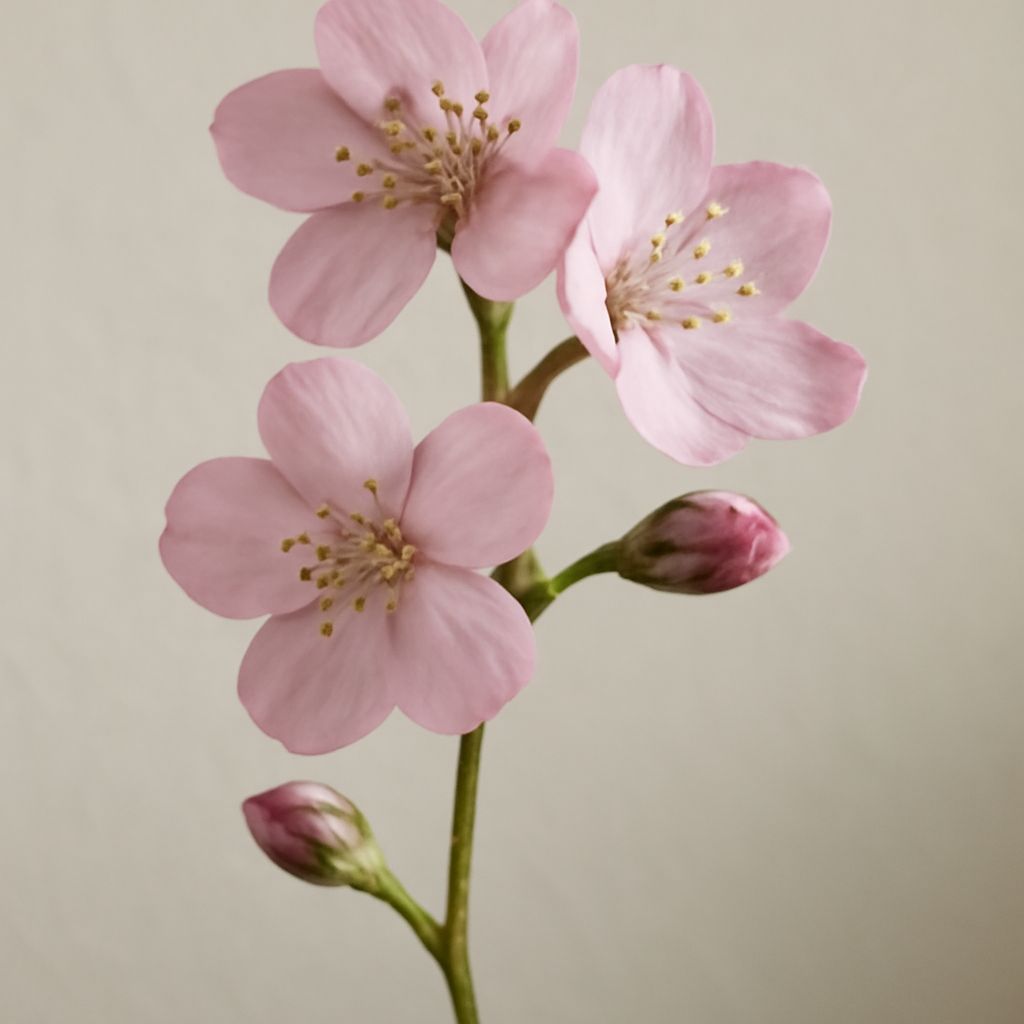
Watercolor pencil drawings use water-soluble leads that produce dry graphite-like marks when used dry, but dissolve and flow like watercolor wash when activated with a wet brush. This creates a hybrid technique that combines the precise mark-making control of a pencil with the tonal blending and wash effects of watercolor painting. Watercolor pencil drawings work especially well for botanical illustration, landscape sketching, and any subject where you want to move between precise line detail and soft atmospheric color in the same piece.
The key difference between watercolor pencil drawings and standard mechanical pencil work is that the water-soluble marks are not permanent until sealed. This means you can rework and adjust watercolor pencil drawings during the wet phase by adding water and re-manipulating the pigment. Once dry, the marks set and can be reworked only by adding more pigment or using a damp brush to reactivate existing marks.
Comparing Brands for Best Drawing Mechanical Pencils
When comparing best mechanical drawing pencils across brands, evaluate: mechanism smoothness (does it advance lead consistently without jamming?), grip comfort (can you use it for two hours without hand fatigue?), lead advance type (ratchet, automatic, or continuous?), and tip protection (does the tip retract or cap for transport?). The best mechanical pencil for drawing for your specific use is the one that performs best on the criteria that matter most to your workflow, not the one that wins the most categories in a general comparison.
Test pencils from at least two or three different brands before committing to a set. Many art supply stores allow in-store testing, and many online retailers offer returns. The best drawing mechanical pencil for one artist’s hand size and drawing style may not be the best mechanical drawing pencils for another’s, even when both produce technically excellent work.