Drawing Assignments, Subtractive Drawing, and Geometric Wolf Drawing Guide
What makes a set of drawing assignments actually effective for building skill, and how do techniques like subtractive drawing or a geometric wolf drawing fit into a structured practice? Most artists learn best when assignments have clear constraints rather than open-ended prompts. Specific techniques like subtractive drawing teach observation skills that no amount of additive sketching can replicate. And geometric drawing tool exercises, including the geometric wolf drawing as a classic project, develop spatial reasoning alongside hand-eye coordination.
This guide covers how to structure useful drawing assignments, explains the subtractive drawing approach, walks through a geometric wolf drawing project, and looks at what makes a good geometry drawing tool for drafting precise constructions.
Structuring Effective Drawing Assignments
Constraints Over Freedom
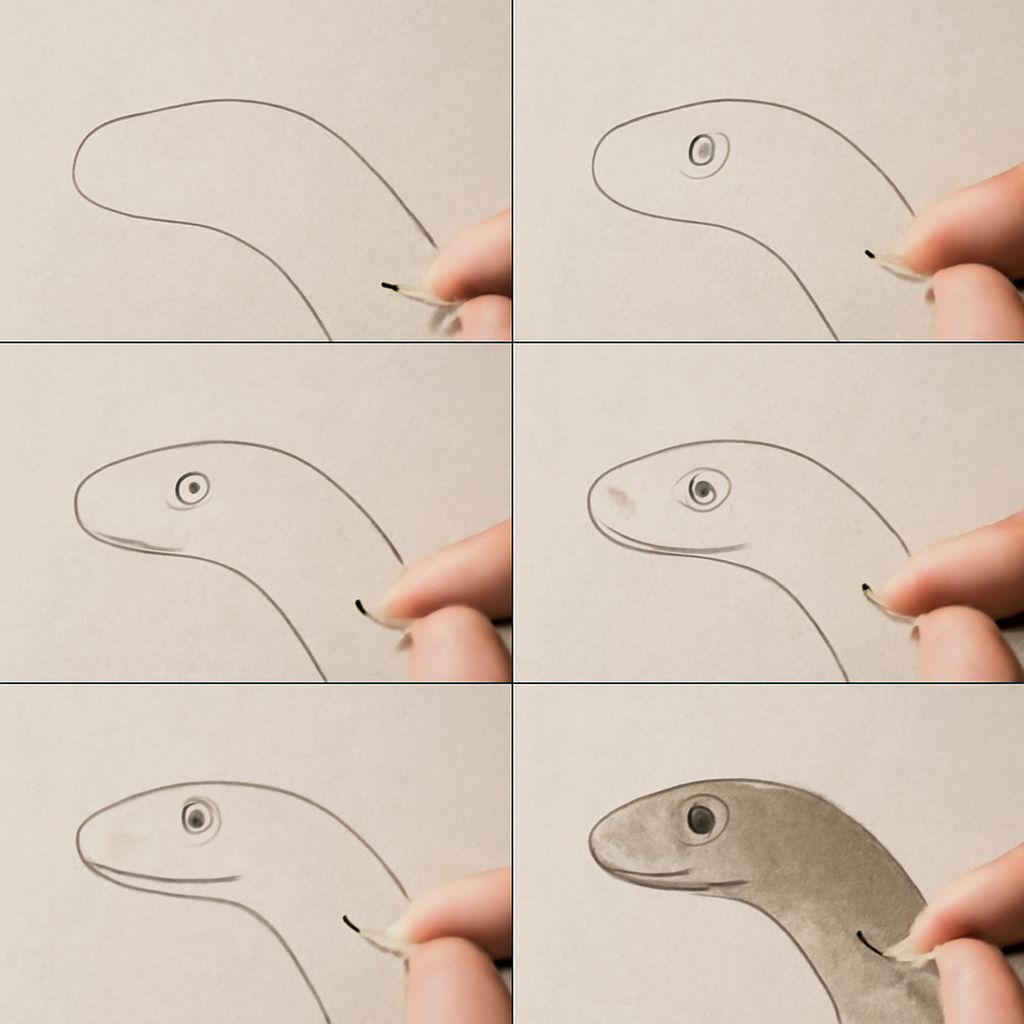
Drawing assignments with tight constraints produce more growth than open-ended “draw whatever you want” prompts for most students. Constraints force problem-solving. A drawing assignment that says “draw a hand holding an object using only ten lines” teaches economy and prioritization more directly than any amount of free sketching.
Good drawing assignments target a specific skill: proportion, value, line quality, composition, or spatial reasoning. They are short enough to complete in a single session and difficult enough to require genuine effort. They have a clear standard for success so you know whether you’ve met the goal or need to try again.
Progressive Assignment Sequences
The most useful drawing assignments build on each other in a deliberate sequence. Begin with observation exercises: draw a single object from three different angles. Add proportion challenges: draw the same object at exactly twice the size. Move to value: draw the same object using only three tones. Then add complexity: draw two objects with a compositional relationship. Each assignment in the sequence uses skills from previous ones while adding a new challenge.
Subtractive Drawing Explained
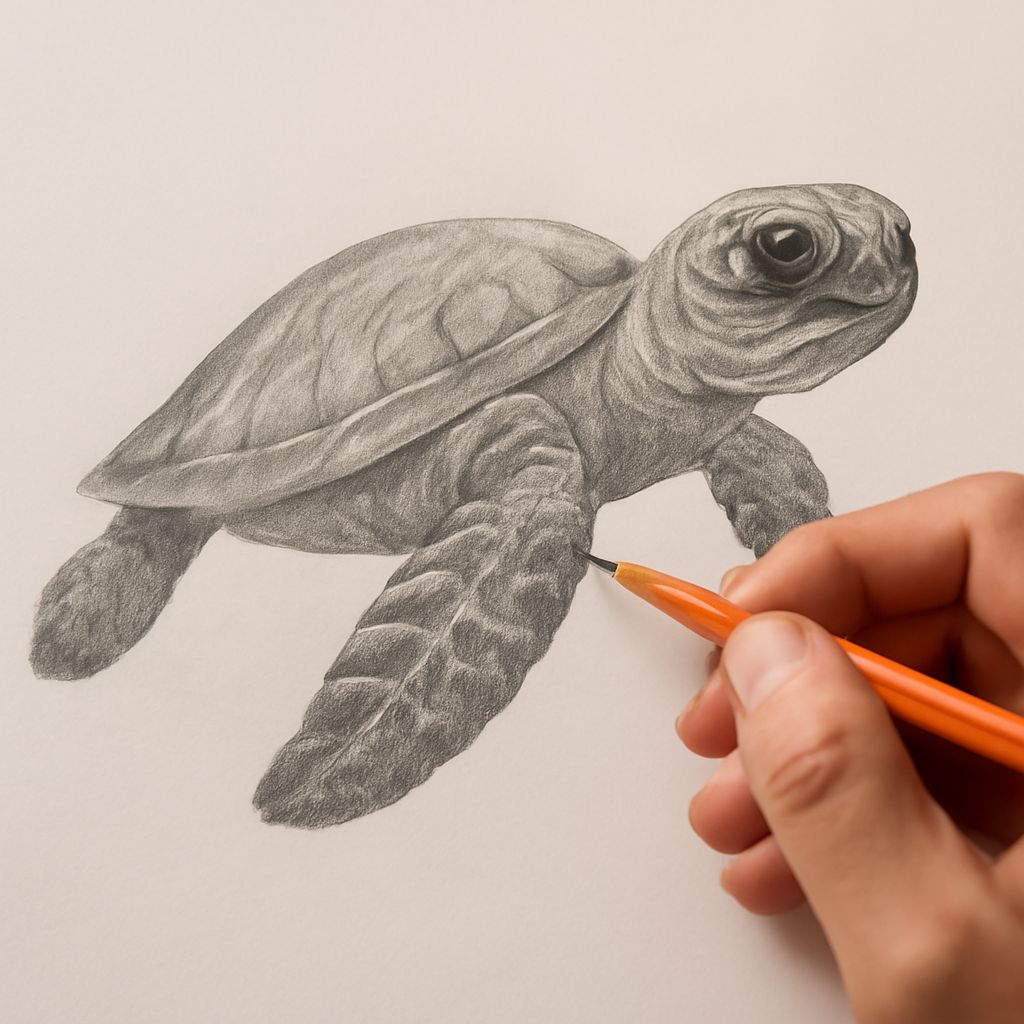
Subtractive drawing reverses the usual drawing process. Instead of adding marks to white paper, you apply an even layer of graphite or charcoal across the paper surface and then remove material with an eraser to reveal light areas. The drawing emerges from darkness rather than being built up from white.
Subtractive drawing teaches you to think in terms of light rather than line. When you draw additively, the instinct is to outline shapes. When you work subtractively, you extract the light from the dark field, which forces you to observe where the light actually falls rather than where you imagine an edge exists. This shift in thinking transfers back to additive drawing and improves your understanding of form and light permanently.
Geometric Wolf Drawing: A Step-by-Step Project
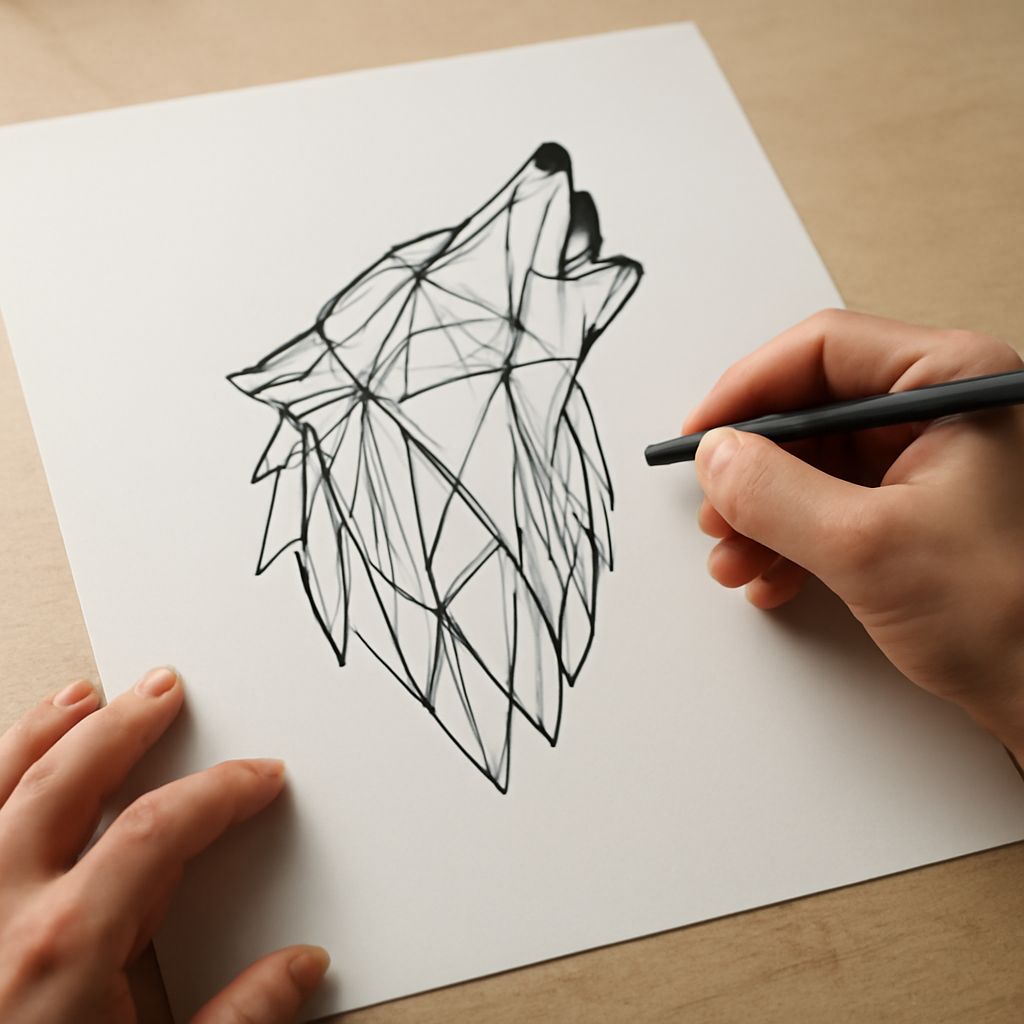
A geometric wolf drawing constructs the wolf’s head and body from triangles, polygons, and faceted planes rather than smooth curves. The style comes from low-polygon 3D modeling aesthetics and has become popular as a drawing project that combines drafting precision with artistic appeal.
Start your geometric wolf drawing with the basic head shape as a large polygon, roughly hexagonal or diamond-shaped. Place the snout as a smaller forward-pointing triangle overlapping the lower portion of the head shape. Add ears as tall, narrow triangles at the top. Then subdivide each major area into smaller faceted planes, like folded sheet metal, to build up the form. The eye is typically a single small diamond or triangle rather than a realistic eye shape.
Use a geometric drawing tool, whether a ruler and compass set or a digital drawing application with snap-to-grid, to keep your lines straight and your angles precise. The disciplined geometry is what gives a geometric wolf drawing its distinctive quality; wobbly lines undermine the whole effect.
Choosing a Geometry Drawing Tool
A geometry drawing tool for traditional work means a good metal ruler, a compass, a set square, and possibly a protractor for angle work. These basic tools cover most geometric construction needs. For a geometric wolf drawing, the ruler alone handles most of the work since you’re primarily drawing straight lines at varied angles.
Digital geometry drawing tool options include the line and shape tools in Procreate, Adobe Illustrator’s pen tool with snap, or dedicated technical drawing applications. The advantage of digital is easy correction; the advantage of traditional is the physical discipline that builds hand control. Both are valid choices depending on your goals and available tools.