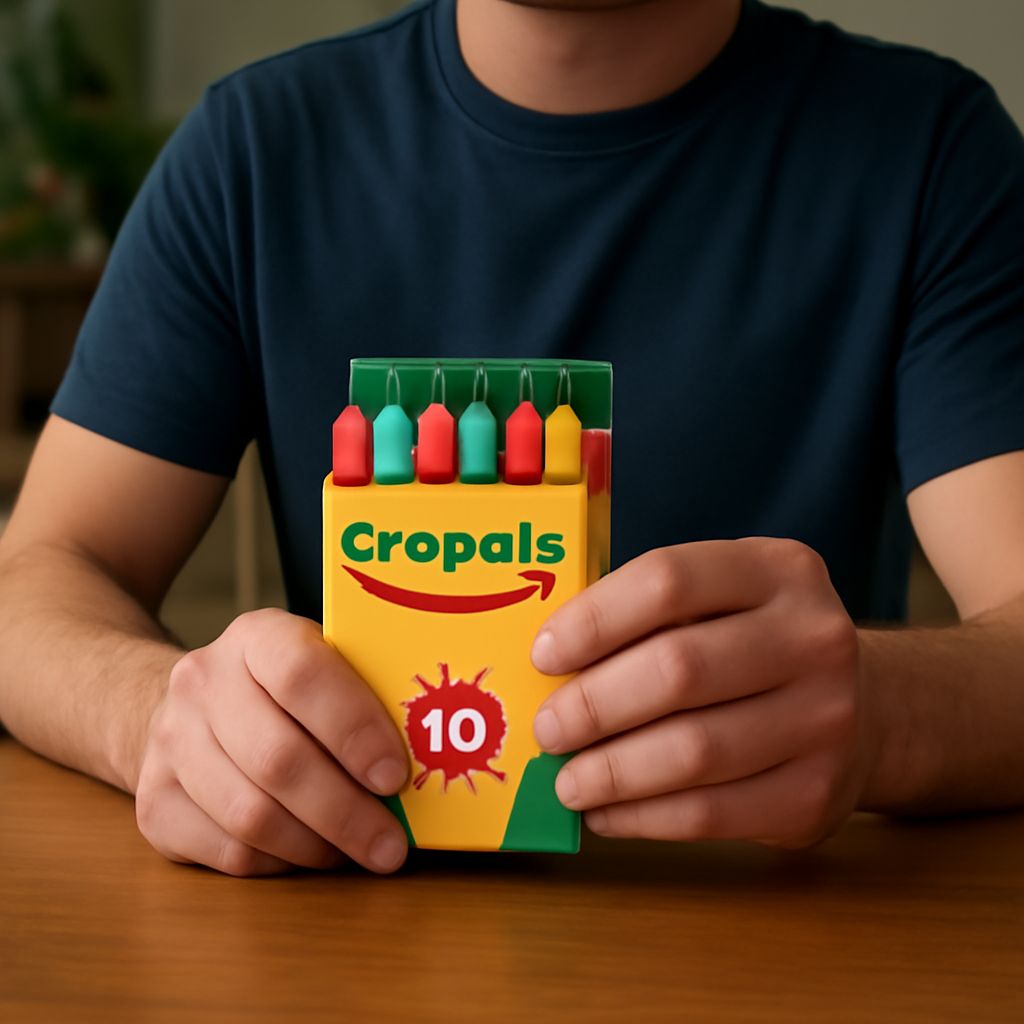
Have you ever wondered why a simple box of crayons can feel like opening a treasure chest? Each crayon color, with its unique label and shade, invites you into a world of possibility. Whether you’re seeking inspiration for a new project, teaching a child, or reminiscing about your favorite childhood hues, the world of crayon colors is full of creative potential. But what is it about crayon colors names that makes them so memorable, and how do companies dream up the perfect crayon names?
From classic primaries to whimsical new shades, crayon colors and their names have evolved with culture, technology, and imagination. This guide will take you through the fascinating development of crayon colors, how those playful names are chosen, and why these labels matter in artistic expression and education. Whether you’re a collector, artist, or simply a fan, there’s something here to spark your curiosity and deepen your appreciation for every colorful stick in the box.
The Evolution of Crayon Colors
Crayons have a long and vibrant history. Early coloring tools date back centuries, but the modern crayon—safe, non-toxic, and wrapped in paper—became popular in the early 20th century. The first wax crayons were quite simple, offering only a handful of basic hues. Over the decades, however, the palette of crayon colors expanded dramatically. Many brands began with just black, red, blue, and yellow, but quickly realized that children and artists wanted more variety and subtlety in their creative tools.
As technology and pigment chemistry advanced, so did the range of available colors. It wasn’t long before crayon manufacturers started introducing richer purples, vibrant oranges, and a variety of greens. The introduction of specialty sets—metallics, fluorescents, and even glitter—further broadened the spectrum. Today, hundreds of unique shades can be found, from everyday grass green to the shimmering gold of special edition boxes.
The evolution of crayon colors reflects changes in society and culture too. As tastes shifted and new influences emerged—think pop culture, art movements, and fashion—color sets adapted. Every decade brought new crayon colors names inspired by contemporary trends, ensuring that coloring remained engaging across generations.
Understanding Crayon Colors Names
It’s easy to take crayon colors names for granted, but each one serves a purpose. These names do more than simply distinguish one shade from another; they tell stories, inspire imagination, and foster connections between people and colors. From the straightforward “Red” or “Blue” to evocative names like “Tropical Rainforest” or “Atomic Tangerine,” labeling is an art form in itself.
The process of naming colors blends creativity with clarity. A good crayon color name captures the visual essence of the shade while also sparking emotion or curiosity. For example, “Robin’s Egg Blue” conjures images of spring mornings and delicate nests, while “Wild Watermelon” hints at summer fun. Names like these are memorable, helping users of all ages recall their favorites and create lasting memories through art.
Major brands put significant thought into their naming conventions, balancing whimsy and accessibility. Sometimes, names draw on nature or food; other times, they reference places, moods, or even abstract ideas. The result is a vibrant vocabulary that makes coloring more engaging and personal—whether you’re a budding artist or just doodling on a rainy day.
How Crayon Names Are Chosen
So, how do companies decide on those iconic labels? The process of choosing crayon names is both serious business and playful invention. Teams of designers, marketers, and sometimes even fans come together to brainstorm possibilities. They consider how the shade looks, what feelings or memories it might evoke, and how it fits within the larger palette.
In some cases, brands hold naming contests or invite children, teachers, and the public to contribute ideas. This collaborative approach ensures that crayon names remain fresh and relatable. For example, playful names like “Macaroni and Cheese” or “Jazzberry Jam” often originate from these community-driven initiatives. Each label is carefully vetted to avoid duplication and confusion, ensuring that every name stands out in a crowded box.
Partial uses, such as describing warm hues as “spicy” or referencing “sunset tones,” show how these labels link color with experience. The chosen names become shorthand for specific moods—think “Serene Sky” for a calming blue or “Electric Lime” for a punchy green. Through this thoughtful process, crayon colors names transcend simple descriptors and become stories in their own right.
Popular and Unusual Crayon Colors Names
Some crayon colors names achieve legendary status. Classics like “Midnight Blue,” “Burnt Sienna,” and “Magenta” have delighted users for generations. These widely recognized labels provide a foundation for every crayon lover, offering the comfort of familiarity. At the same time, brands continually introduce new names to keep things exciting—think “Razzmatazz,” “Outer Space,” or “Inchworm.”
Unusual crayon names often grab attention and spark laughter or curiosity. “Wild Blue Yonder” and “Fuzzy Wuzzy Brown” are just a few quirky examples that demonstrate how language and color can play together. Some sets even include limited-edition or retired colors, making certain names highly sought after by collectors. Whether inspired by nature, food, or fantastical ideas, each name invites you to see color in a new way.
If you love exploring a fresh box of crayons, take a moment to discover both the classics and the outliers. Compare “Dandelion” and “Purple Mountain’s Majesty,” and you’ll notice how the naming process adds depth to the coloring experience. Over time, you’ll develop your own favorites and maybe even dream up new names during creative sessions.
The Role of Crayon Colors in Art and Learning
Every crayon color serves as a tool for creative exploration. In children’s hands, they become more than just a way to fill space—they’re instruments for learning, self-expression, and storytelling. The act of choosing specific crayon names helps develop cognitive skills, encouraging kids to make associations between colors, words, and emotions.
Teachers often use crayon colors names during lessons to reinforce vocabulary, introduce cultural ideas, or foster group activities. Asking students to select a “Sunny Yellow” for a picture, or to describe what “Mystical Magenta” might look like, brings language and art together in meaningful ways. The variety of names also ensures that every child can find a hue that feels uniquely theirs, boosting confidence and engagement.
For artists of all ages, unique crayon names can inspire new projects or color combinations. Drawing with “Periwinkle” and “Pacific Blue” might evoke memories of summer vacations, while “Shadow” and “Timberwolf” can help explore moodier themes. In these moments, crayon colors become more than mere tools—they’re partners in creative storytelling.
Collecting and Enjoying Unique Crayon Names
If you find yourself fascinated by rare or vintage crayon names, you’re not alone. Collecting unusual crayons is a hobby for color enthusiasts of all ages. Some people seek out limited-edition boxes, while others hunt for discontinued shades or international versions with unique naming conventions. This hobby offers a way to preserve and celebrate the cultural history of crayon colors names.
Organizing your collection by crayon names can be a fun and rewarding activity. Try arranging them by theme, era, or color family. Share your discoveries with fellow enthusiasts online—there are communities dedicated to discussing rare finds, swapping tips, and even trading dupes for missing shades. You might even come across a story behind a particular crayon name that deepens your appreciation for it.
Whether you’re a casual doodler or a devoted collector, exploring the world of crayon colors is a journey in imagination. Each stick, with its carefully chosen label, invites you to see the world just a little differently—one vibrant hue at a time.