Have you ever wondered, what is henna made of? This natural dye, renowned for its vibrant hues and intricate designs, has captivated people for centuries. But beyond its aesthetic appeal, henna holds a rich history and cultural significance that spans continents. As you explore the world of henna, you’ll discover the art of henna tattoos, delve into its ancient origins, and even find its unique place in the world of watercolor painting.
Let’s embark on a vibrant journey through the origins and composition of henna. Along the way, you’ll uncover its fascinating role in various cultures and artistic expressions, answering questions about its traditional uses and modern applications.
What is Henna?
Henna is a natural dye derived from the leaves of the Lawsonia inermis plant. Known for its reddish-brown color, henna has been used for thousands of years to adorn the skin, hair, and fabrics. Its application involves crushing the leaves into a paste, which is then used to create intricate patterns and designs on the body. This ancient practice has transformed over time, giving rise to the modern art of henna tattoos.
While traditionally associated with body art, henna also has applications in hair coloring and fabric dyeing. Its versatility and natural origins make it a popular choice for those seeking chemical-free alternatives.
What is Henna Made Of?
The primary component of henna is the dried, powdered leaves of the Lawsonia inermis plant. When mixed with water, lemon juice, or essential oils, the plant’s natural dye, lawsone, is released. This compound binds to proteins, making it ideal for staining skin, hair, and fabric.
Enhancements such as sugar, tea, or coffee are sometimes added to the paste to improve its texture and color intensity. With its natural base, henna provides a safe and eco-friendly option for body art enthusiasts. By understanding what is henna made of, you can appreciate its purity and simplicity, making it a preferred choice for many.
The Origin of Henna
Henna’s origins trace back over 5,000 years, with evidence of its use in ancient Egypt, India, and the Middle East. It played a key role in religious ceremonies and cultural rituals, often symbolizing joy and celebration. The use of henna spread along trade routes, influencing various cultures and evolving in style and application.
The long history of henna reveals its significance across different societies, where it is often associated with weddings, festivals, and rites of passage. As you explore henna’s roots, you’ll find a rich tapestry of tradition and innovation.
What is a Henna Tattoo?
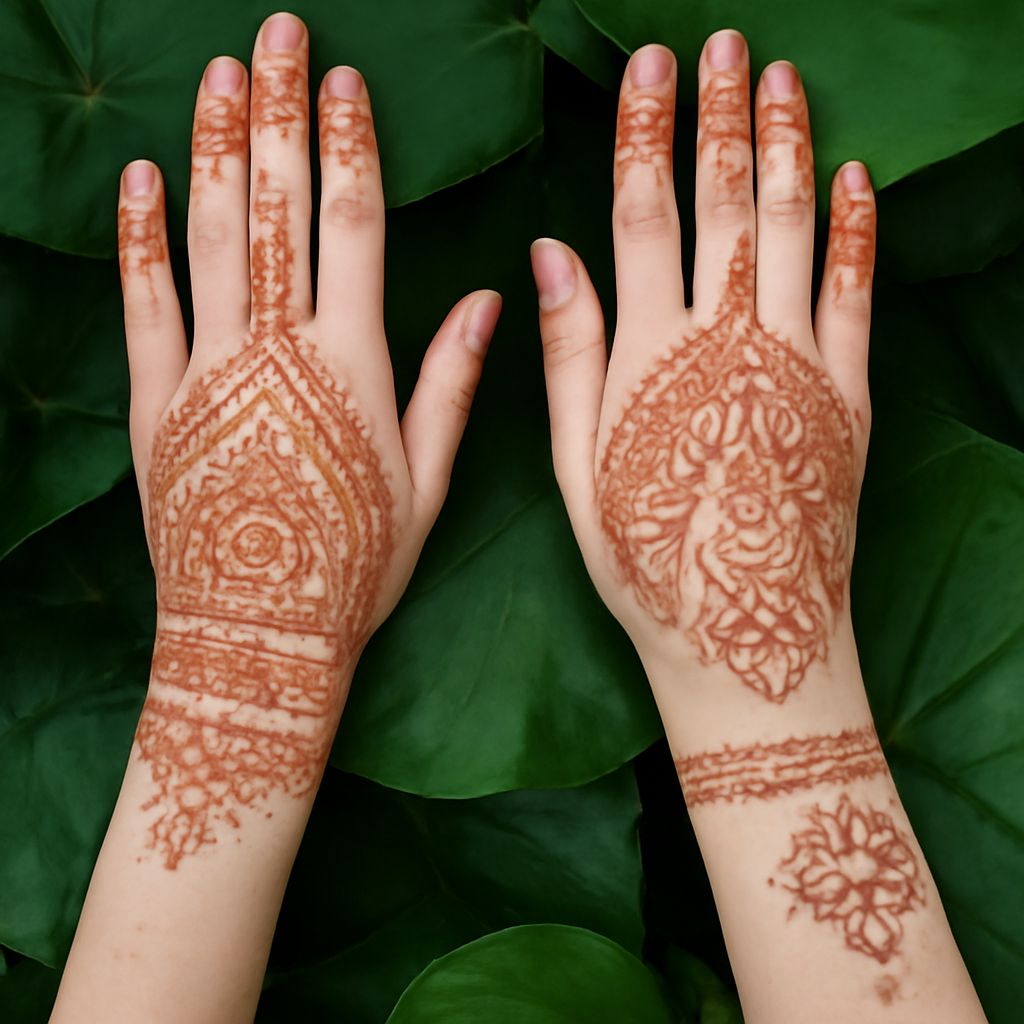
A henna tattoo is a temporary form of body art created using the henna paste. Unlike permanent tattoos, henna tattoos fade naturally over a few weeks. They are applied using a cone or brush to draw intricate designs on the skin.
Henna tattoos often feature floral motifs, geometric patterns, and symbols of cultural significance. They are popular for special occasions, adding a touch of beauty and tradition. The practice has gained popularity worldwide, transcending cultural boundaries and becoming a modern fashion statement.
Henna in Watercolor Painting
Henna’s vibrant shades have found a unique place in the world of watercolor painting. Artists incorporate henna-inspired designs into their works, blending traditional patterns with contemporary techniques. This fusion creates a dynamic visual experience, enriching the art form.
By exploring henna in watercolor painting, you can appreciate how this ancient tradition continues to inspire modern artistry. The fluidity of watercolor complements the intricate lines of henna, creating stunning pieces that resonate with cultural depth and artistic innovation.
Cultural Significance of Henna
Henna carries profound cultural significance in many societies. In India, it plays a central role in weddings, where elaborate designs adorn the bride’s hands and feet. In Middle Eastern cultures, henna is used in celebrations to invoke blessings and good fortune.
Beyond its aesthetic appeal, henna symbolizes joy, beauty, and protection. As you delve into its cultural significance, you’ll find that henna is more than just an art form; it’s a celebration of community, tradition, and heritage, woven into the fabric of everyday life.
Safety Recap: If you’re new to henna, ensure you use natural products to avoid allergic reactions. Always test a small area first and follow guidelines for safe application, especially when experimenting with henna tattoos or hair dyeing.