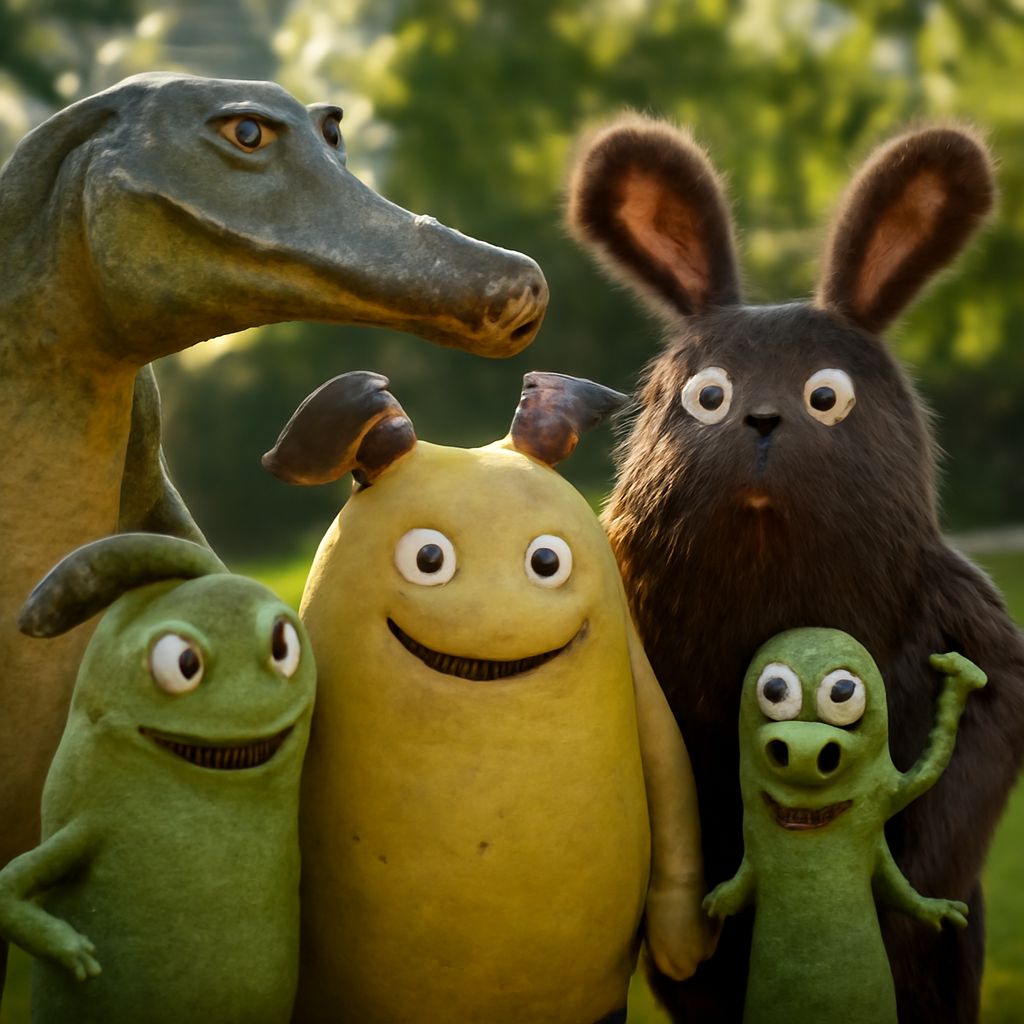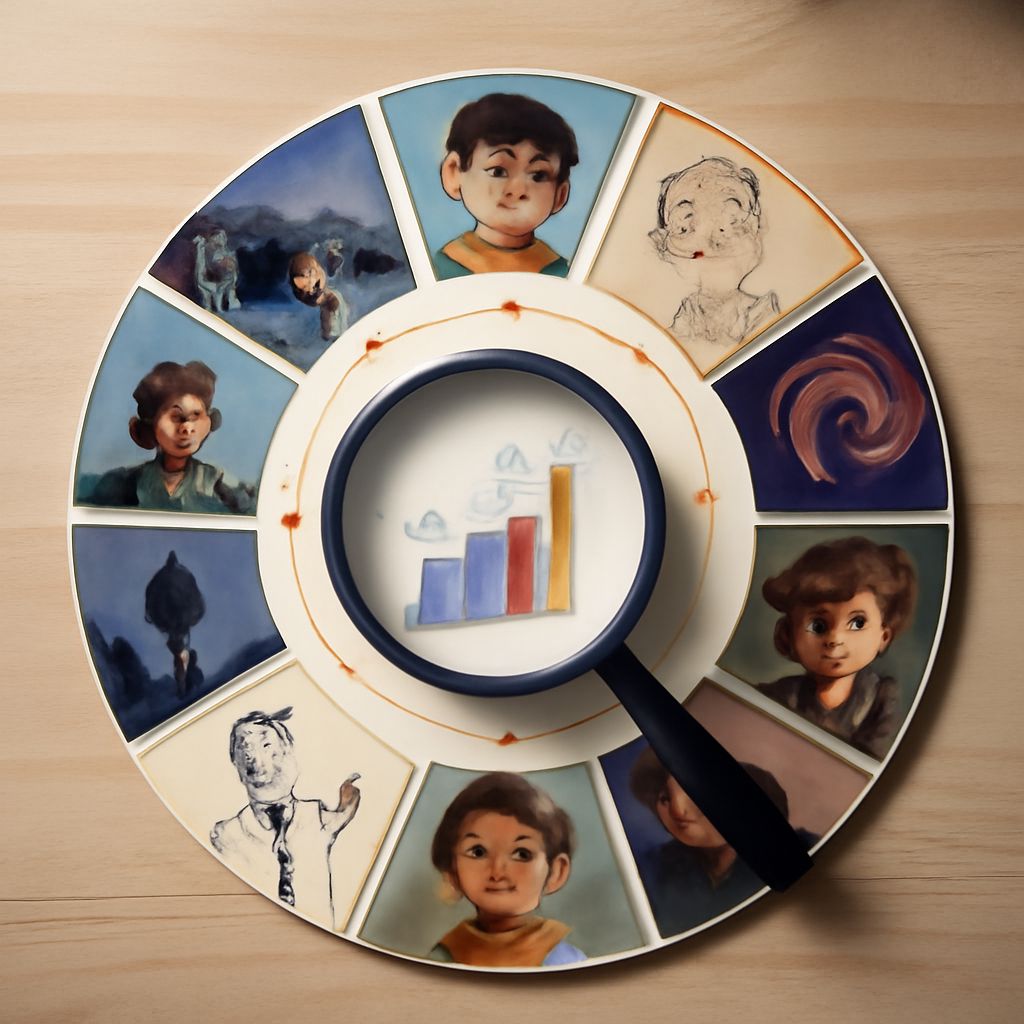
Have you ever wondered why certain cartoons grab your attention instantly? What makes the lines and colors on the screen come to life, leaving a lasting impression? The answer lies in the diverse types of cartoon styles that artists use to create unique and memorable animations. In this article, we’ll dive into the fascinating world of cartoon styles, exploring the evolution and impact of various animation art styles that have captivated audiences for generations.
Introduction to Cartoon Styles
Cartoon styles are more than just drawings; they are visual languages that tell stories in vibrant and compelling ways. From the exaggerated features of classic cartoons to the sleek designs of modern animations, each style offers distinct characteristics that serve different narrative purposes.
Historical Evolution of Cartoon Styles
The history of cartoon styles is as rich and varied as the art form itself. Early animations were inspired by comic strips and focused on simple, bold lines and exaggerated expressions. As technology advanced, so did the complexity and diversity of cartoon styles. The introduction of color and digital tools allowed artists to experiment with new techniques and push the boundaries of traditional animation art styles.
Types of Cartoon Styles
Understanding the different types of cartoon styles is essential for both creators and enthusiasts. Each style offers unique aesthetics and storytelling possibilities.
Classic Cartoon Style
Classic cartoon style is often characterized by exaggerated features and slapstick humor. Think of iconic characters like Mickey Mouse and Bugs Bunny, whose designs focus on simplicity and broad appeal. This style relies on strong, clean lines and a limited color palette, making it instantly recognizable and timeless.
Modern Cartoon Style
Modern cartoon styles have evolved to include more nuanced characters and intricate backgrounds. Shows like “Adventure Time” exemplify this trend with their quirky designs and layered narratives. Here, the focus is on innovative storytelling and visually appealing animation art styles that resonate with both children and adults.
Abstract Cartoon Style
Abstract cartoon styles break away from traditional norms, offering a playful yet thought-provoking approach to animation. By using unconventional shapes and vibrant colors, artists create visuals that challenge viewers’ perceptions and invite them to explore new interpretations of familiar themes.
Influence of Animation Art Styles
The influence of animation art styles extends beyond entertainment, affecting fashion, advertising, and even education. These styles shape how stories are told and how audiences perceive them, creating a visual language that transcends cultural and linguistic barriers. By understanding the characteristics of various animation art styles, you can better appreciate their role in shaping modern culture.
Choosing the Right Style for Your Project
Selecting the right cartoon style for your project can be a daunting task, but it’s essential for conveying your message effectively. Consider the tone, target audience, and core themes of your project. Are you aiming for the timeless appeal of a classic cartoon style, or does your story call for the innovative flair of modern designs? Perhaps an abstract approach will give your project the unique edge it needs.
Conclusion
Exploring different cartoon styles opens up a world of creative possibilities. Whether you’re an aspiring animator or a fan of the art form, understanding the nuances of various styles can enhance your appreciation and execution of animation. The diverse types of cartoon styles not only enrich the medium but also offer endless opportunities for storytelling and artistic expression.