Have you ever wondered whether all bugs are insects, or if insects are something entirely different? The difference between bugs and insects is a fascinating topic that often confuses even the most curious minds. While the terms “bug” and “insect” are frequently used interchangeably in everyday conversation, they actually describe two distinct groups of creatures. By exploring their unique characteristics, you can gain a deeper understanding of the natural world and enrich your ability to draw and illustrate these intriguing creatures.
Understanding the distinctions might even inspire you to look closer at the tiny life forms around you, or perhaps improve your skills in sketching them. In this article, we’ll delve into the essential differences between bugs and insects, highlight their unique traits, and dispel some common misconceptions. So, are all bugs insects? Let’s find out.
Introduction to Bugs and Insects
Before diving deep into the differences between bugs and insects, it’s essential to establish a foundation of what these terms mean. Bugs and insects both belong to the phylum Arthropoda, which also includes spiders, centipedes, and crustaceans. However, within this phylum, bugs and insects are categorized differently.
While the term “bug” is often loosely applied to a variety of small creatures, in scientific terms, it refers specifically to a subset of insects known as the order Hemiptera. This order includes creatures like aphids, cicadas, and shield bugs, recognized for their sucking mouthparts and unique wing structures.
Defining Bugs: What Makes Them Unique?
True bugs, or Hemipterans, have several distinctive features that set them apart from other insects. One of the key characteristics of bugs is their specialized mouthparts designed for piercing and sucking. These mouthparts allow bugs to feed on plant sap or animal fluids, which is why you often find them on plants or near sources of water.
In addition to their mouthparts, bugs have partially hardened forewings, known as hemelytra, which cover the hind wings. This wing structure is different from that of other insects and is a significant identifying feature of bugs. Recognizing these characteristics will deepen your understanding of the difference between bugs and insects and enhance your ability to accurately depict these creatures in drawings.
Characteristics of Insects
In contrast to the specific order of bugs, the class Insecta encompasses a vast variety of creatures, making it one of the most diverse groups in the animal kingdom. Insects are characterized by having three main body segments: the head, thorax, and abdomen. They also possess three pairs of legs, compound eyes, and one pair of antennae.
Insects can be found in almost every habitat on Earth, from the buzzing bees pollinating flowers to the industrious ants building their underground colonies. The diversity of insects is immense, ranging from butterflies with their delicate, colorful wings to beetles with hard, protective shells. This variety makes insects an endlessly fascinating subject for study and artistic representation.
Bug vs Insect: Key Differences
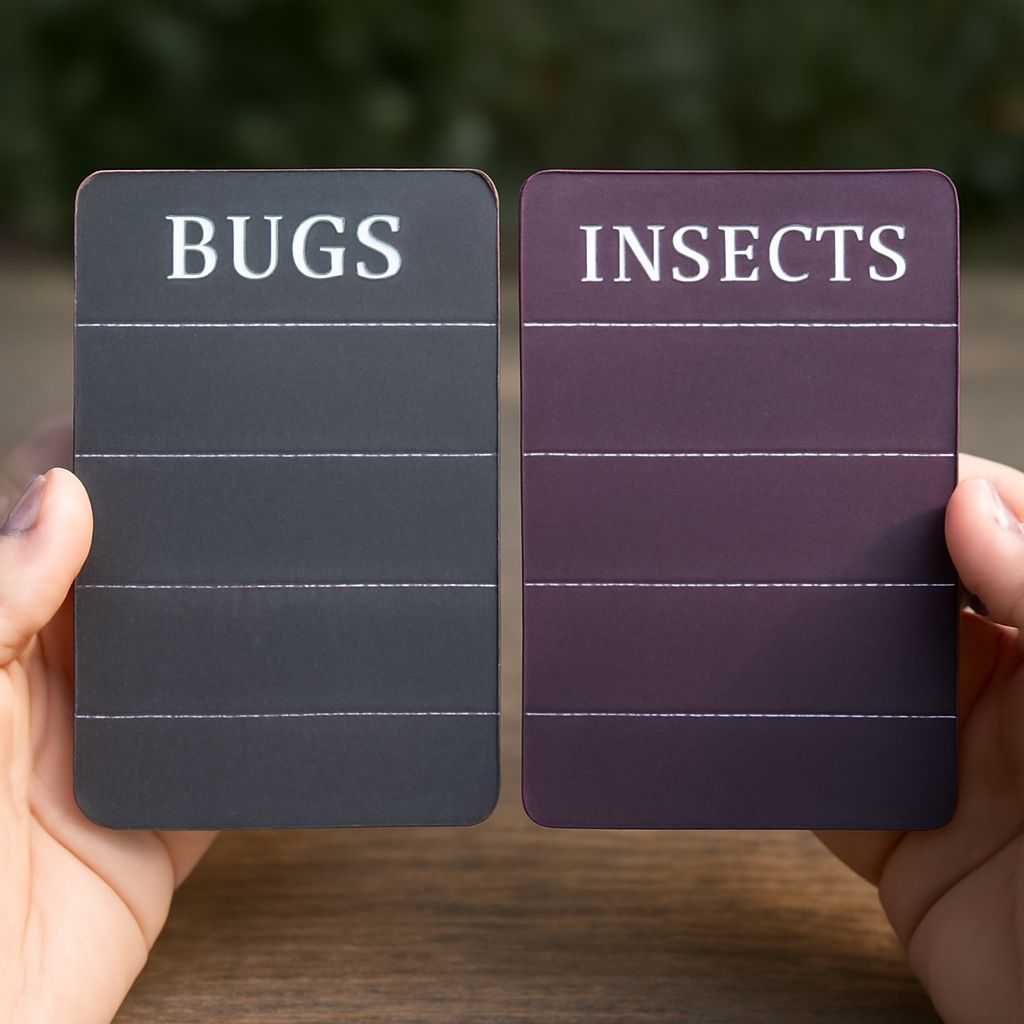
So, what are the key differences between bugs and insects? The primary distinction lies in classification. All bugs are insects, but not all insects are bugs. Bugs belong to the order Hemiptera, while insects include a broader group that extends to other orders such as Coleoptera (beetles), Lepidoptera (butterflies and moths), and Hymenoptera (bees, wasps, and ants).
Another significant difference is in their physical characteristics. Bugs have specific mouthparts designed for piercing and sucking, while other insects may have mouthparts adapted for chewing, lapping, or siphoning. Furthermore, the wing structure of bugs, with their hemelytra, is distinct and not found in other insect orders. Understanding these differences is crucial for anyone interested in biology or illustration, as it allows for more accurate identification and depiction of these creatures.
Common Misconceptions: Are All Bugs Insects?
One common misconception is that all small, crawling creatures are automatically labeled as bugs. However, as we’ve explored, this is not the case. While all bugs fall under the insect category, not every insect qualifies as a bug. Mislabeling can lead to confusion and inaccuracies, especially when it comes to scientific study or educational illustration.
A related misconception is the assumption that insects are harmful or pests. In reality, many insects play beneficial roles in ecosystems, such as pollinating plants, decomposing organic matter, and serving as food for other animals. By dispelling these myths, you can appreciate the complexity and importance of insects, including bugs, in the natural world.
Conclusion: Drawing and Illustrating Bugs and Insects
Your journey into the world of bugs and insects doesn’t have to end with understanding their differences. Why not take what you’ve learned and apply it to drawing and illustrating these fascinating creatures? Whether you’re an aspiring artist or a seasoned illustrator, capturing the unique features of bugs and insects can enhance your skills and broaden your portfolio.
Consider focusing on the distinct characteristics of bugs, like their specialized mouthparts and wing structures, or explore the vast diversity of insect forms and colors. By observing these creatures closely and appreciating their roles in nature, you can create art that not only looks accurate but also tells a story about the incredible variety of life on our planet.
By understanding the difference between bugs and insects, you’re better equipped to explore the natural world, contribute to scientific knowledge, and produce art that reflects the intricate beauty of these small yet significant creatures. So, grab your sketchpad, venture into your backyard or a nearby park, and let the enchanting world of bugs and insects inspire your next masterpiece.