Why have bears dominated animated storytelling for over a century? From gentle giants who share honey to fierce protectors of their woodland homes, cartoon bears tap into something deep in how we imagine the natural world. They’re big enough to be impressive, expressive enough to carry emotion, and versatile enough to appear in everything from slapstick comedy to heartfelt drama. Animal cartoon characters span every species, but bears consistently rank among the most beloved and most drawn. If you’re exploring bear cartoon characters for art projects, trivia nights, or simple nostalgia, this guide walks you through the most iconic examples.
You’ll find coverage of the most famous cartoon bears from television and film history, a breakdown of notable cartoon bear names and what makes each character memorable, and inspiration for how you might approach drawing bears in your own work. Whether you’re an illustrator, an animation fan, or a parent trying to identify what your child is drawing, there’s something here for you.
The Most Famous Cartoon Bears of All Time
Bear characters appear across every era of animation. Some are silly sidekicks, others carry entire franchises on their broad shoulders. What follows covers the heavyweights — characters whose designs and personalities became cultural touchstones.
Yogi Bear Debuting in 1958, Yogi Bear set the template for the smart-but-foolish bear archetype. His green hat, white collar, and constant schemes to steal picnic baskets from Jellystone Park made him instantly recognizable. He’s one of the most famous cartoon bears produced by Hanna-Barbera and still appears in merchandise and media references today. His sidekick Boo-Boo provided the cautious counterpoint that made Yogi’s antics land harder.
Paddington Bear Paddington began as a book character in 1958 and crossed into animation and later live-action film. The small bear from Darkest Peru, with his red hat and blue coat, represents the immigrant experience and the power of politeness. Among all cartoon bears in British cultural history, Paddington has the most enduring legacy and has introduced several generations to the idea that kindness matters more than origin.
Baloo from The Jungle Book Disney’s 1967 adaptation introduced Baloo, the easygoing sloth bear who befriends Mowgli. His philosophy of the “bare necessities” made him one of the great fun-loving bear cartoon characters in film history. Baloo was later reimagined for the TaleSpin series in 1990, this time as a cargo pilot — a dramatic departure that proved the character’s versatility.
Winnie the Pooh A.A. Milne’s gentle, honey-obsessed bear has been a Disney property since 1966. Pooh’s rotund shape, red shirt, and philosophical musings have made him one of the most merchandised characters in history. Among all cartoon bear names recognized worldwide, “Pooh” may be the most universally known.
Animal Cartoon Characters: How Bears Fit the Genre
Bears succeed as animal cartoon characters for several reasons. Their bipedal stance allows animators to use human body language easily — bears walk upright, gesture with their paws, and make facial expressions that read clearly on screen. Their size creates natural dramatic tension: a big bear who is also gentle subverts expectations in ways that generate comedy and warmth simultaneously.
Compared to other animal cartoon characters like cats, dogs, or rabbits, bears carry weight — both literal and metaphorical. They’re not quick and twitchy like a cat or energetically dependent like a dog. Bears project solidity and calm, which writers use to create contrast with frantic situations around them. This is why so many famous cartoon bears are the “straight man” or the voice of reason, even when they’re technically the comic lead.
Drawing Cartoon Bears: Style Tips and Starting Points
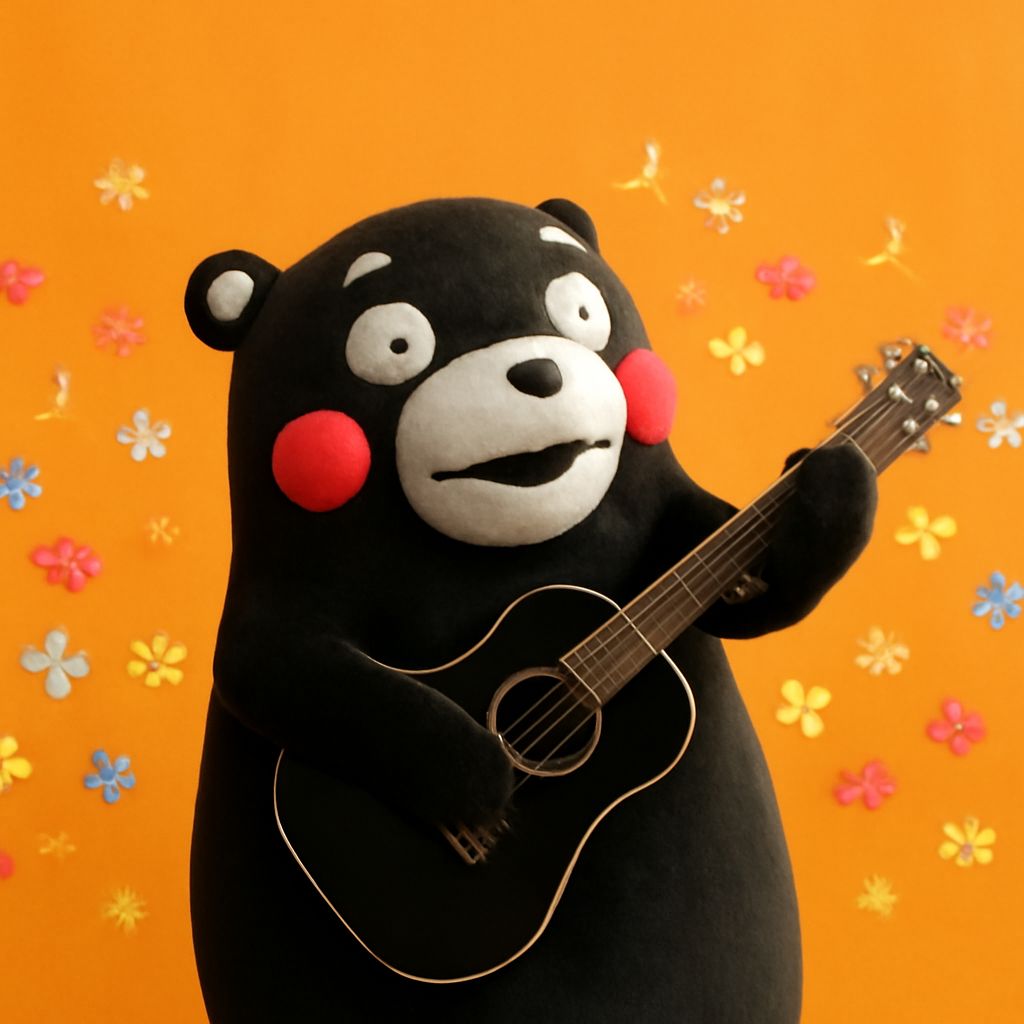
If you want to draw cartoon bears, start with the foundational shape: a large oval for the body and a slightly smaller circle for the head. Bear faces in cartoon style almost always feature a round muzzle area — a lighter-colored patch that separates from the darker head fur. This muzzle zone is where most of the facial expression lives.
- Use large, rounded ears set wide on the head — this is the most recognizable bear silhouette cue.
- Keep limbs thick and sturdy, even if the overall style is simple; thin limbs break the bear illusion.
- Vary your bear cartoon characters with accessories and clothing items — these cues signal personality immediately.
- Study how professional animators handle the bear walk cycle; the weight shift on each step is distinct from other quadrupeds.
Among all cartoon bear names and designs you might reference for practice, Baloo and Paddington offer the widest variety of poses and expressions in publicly available reference material. Both have extensive model sheets and animation guides available through animation history archives.
Next Steps
Pick two or three bear cartoon characters whose designs appeal to you and study how their shapes differ. Sketch them from reference before attempting original designs. Then experiment with your own bear character — give it a specific personality trait, a distinctive accessory, and a consistent color palette. Studying what makes famous cartoon bears work at a design level transforms your own character development from guesswork into informed creative decision-making.