Have you ever wondered how your back muscles work together to support your body and facilitate movement? Understanding the muscles of the back is crucial not only for fitness enthusiasts but also for anyone interested in maintaining a healthy posture and avoiding injury. Recognizing the complex structure of the back anatomy can empower you to take better care of yourself, making daily activities easier and more enjoyable.
The back muscles are a vital part of your body’s support system, influencing everything from your posture to the way you carry yourself in everyday life. By exploring the various components of the back muscle anatomy, you’ll gain insight into how these muscles contribute to your overall health. This knowledge can also guide you in making informed decisions about exercise and lifestyle choices that affect your lower back muscles and beyond.
Introduction to Back Muscle Anatomy
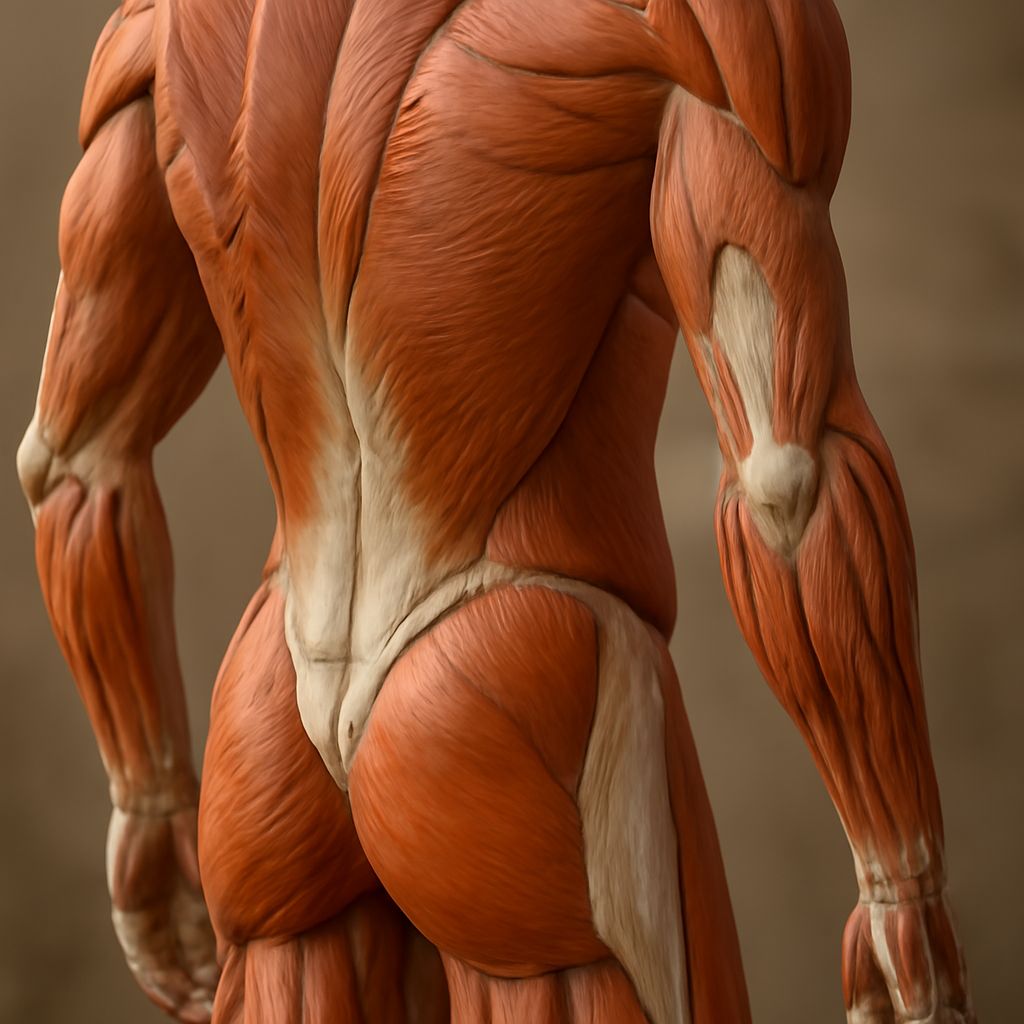
Back muscle anatomy comprises a network of muscles that work in harmony to provide stability and movement. These muscles are categorized into several groups, each with distinct functions and characteristics. The intricate design of the back muscles allows for a range of motions including bending, twisting, and lifting. Understanding these elements is key to appreciating how your body functions in everyday life.
Overview of the Muscles of the Back
The muscles of the back are typically divided into three main groups: superficial, intermediate, and deep muscles. Each group serves unique purposes, contributing to the back’s complex functionality. The superficial muscles, such as the trapezius, are responsible for moving the shoulder blades and extending the neck. Intermediate muscles like the serratus posterior assist in respiratory functions, while deep muscles such as the erector spinae are essential for maintaining posture and allowing for more intricate movements.
Upper Back Muscles
The upper back is home to several key muscles that play significant roles in your body’s mobility and stability. The trapezius muscle, for instance, spans from the back of your neck to your mid-spine, helping to control the movement of your shoulder blades. This muscle works alongside others, such as the rhomboids, which retract the shoulder blades, enhancing upper back strength.
Understanding the upper back muscle anatomy is essential for anyone engaging in physical activities that require lifting or pulling. By strengthening these muscles, you can improve your overall back health and reduce the risk of injuries. Engaging in exercises like rows and pull-ups can effectively target these muscles, promoting improved posture and upper body strength.
Lower Back Muscles
The lower back muscles are a crucial component of your body’s core stability. These muscles include the erector spinae, a group of muscles that run vertically along the spine, and the multifidus muscles, which provide support to the vertebrae. Together, these lower back muscles are responsible for keeping your spine aligned and allowing for movements such as bending and twisting.
Focusing on the health of your lower back muscles is vital for preventing common issues like lower back pain. Incorporating exercises that target your core, such as planks and bridges, can help maintain the strength and flexibility of these muscles. Regular exercise and proper posture can significantly contribute to a healthy lower back, reducing discomfort and enhancing mobility.
The Importance of Understanding Back Anatomy
Understanding the anatomy of your back muscles is more than just an academic interest; it’s a practical necessity. Knowledge of how your back muscles function can aid in selecting appropriate exercises, improving your athletic performance, and preventing injury. By familiarizing yourself with back anatomy, you can tailor your fitness routines to strengthen specific areas, ensuring a well-rounded approach to physical health.
Moreover, an awareness of back muscle anatomy empowers you to make informed decisions about your daily activities and postural habits. Whether you’re sitting at a desk or lifting heavy objects, understanding how your back muscles work can help you make adjustments that protect your spine and enhance your overall well-being.
Tips for Maintaining Healthy Back Muscles
Maintaining healthy back muscles is essential for your overall physical health and quality of life. One of the simplest ways to care for your back is to ensure regular exercise that targets all areas of the back anatomy. Incorporating a mix of strength training, flexibility exercises, and cardiovascular activities can help keep your back muscles strong and resilient.
In addition to regular exercise, paying attention to your posture is crucial. Whether standing or sitting, maintaining a neutral spine position can help alleviate unnecessary stress on your back muscles. Additionally, being mindful of your movements and lifting techniques can prevent strain and injury.
Finally, incorporating habits such as stretching, staying hydrated, and getting adequate rest plays a significant role in back health. Stretching increases flexibility, hydration keeps muscles functioning optimally, and rest allows for recovery and growth. These practices contribute to maintaining the integrity of your back muscles and supporting your overall physical wellness.