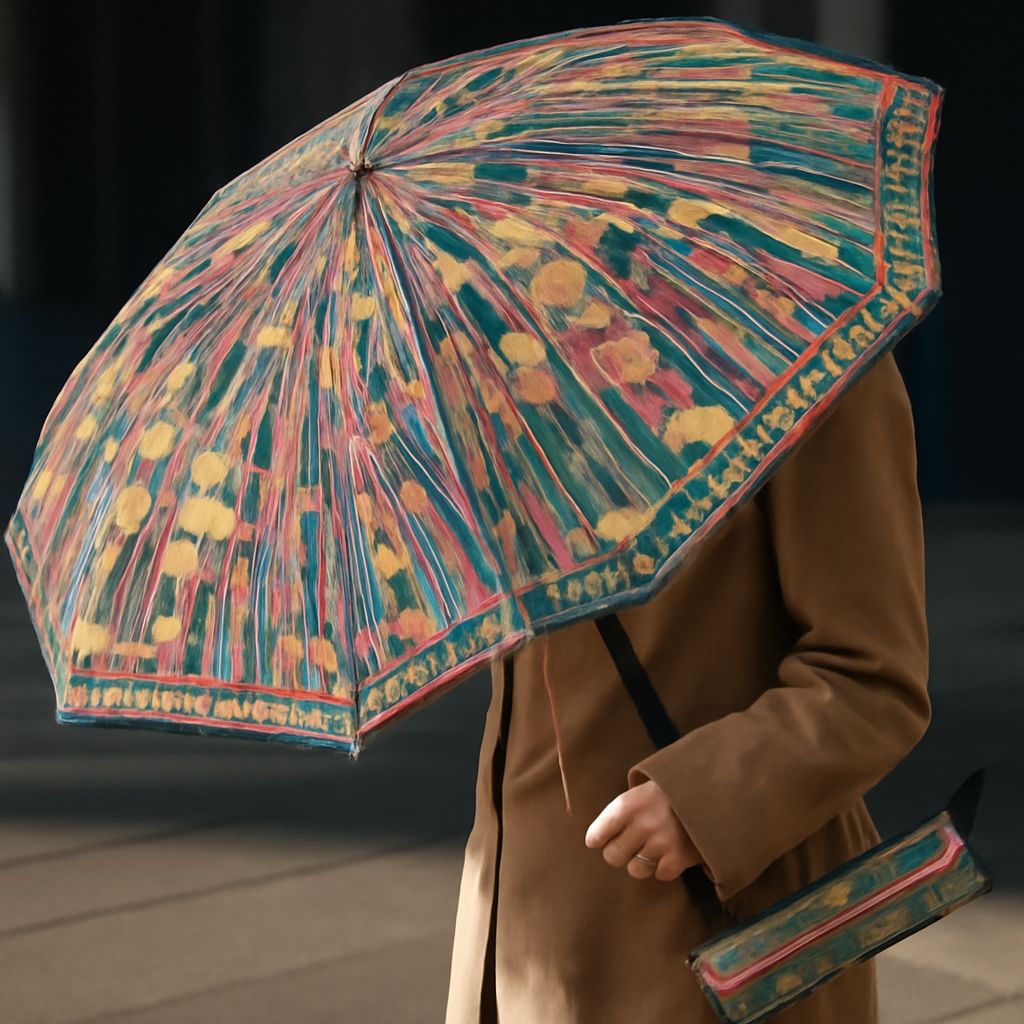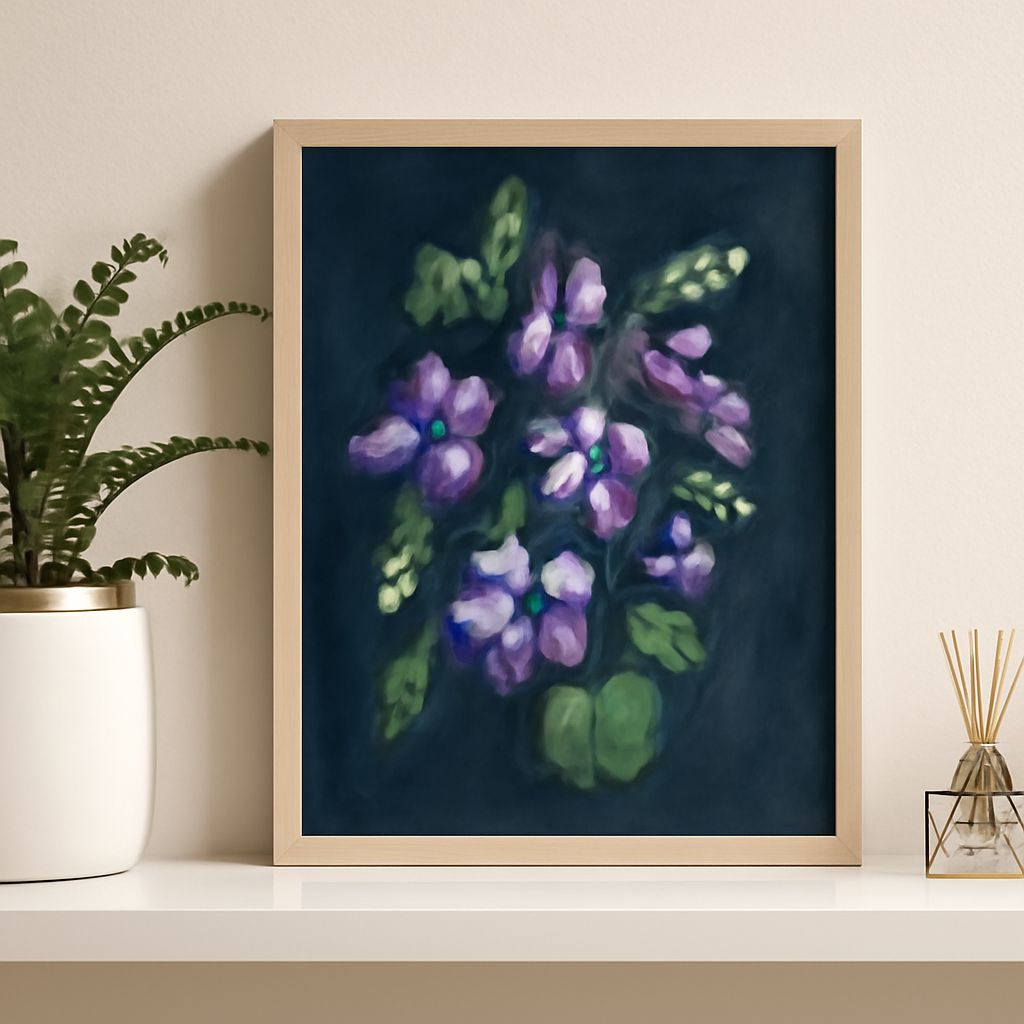
Have you ever wondered how the delicate beauty of watercolor art finds its way onto fabric? This is the enchanting world of watercolor fabric, where artistic expression meets textiles. As you delve deeper, you’ll explore how watercolor floral fabric has become a beloved choice for fashion designers and home decorators alike. The artistry involved in applying watercolor on fabric is more than just technique; it is an expression of creativity that captures the spirit of watercolor masters. Discover how the timeless charm of watercolor violets enhances textile design, leaving a lasting impression on the future of fabric artistry.
Introduction to Watercolor Fabric
Watercolor fabric is an art form that marries the fluid, translucent qualities of watercolor paintings with the tactile nature of textiles. This fusion allows for the creation of unique, eye-catching pieces that carry both the artist’s vision and the function of the fabric. Whether it’s a flowing dress or a stunning curtain, watercolor fabric captivates with its gentle blending of colors and intricate patterns. The allure lies in its ability to transform ordinary fabric into a canvas of creative possibility, inviting you to explore its depths.
The Art of Watercolor Floral Fabric
Watercolor floral fabric is a celebration of nature’s beauty, brought to life through the delicate strokes of watercolor. This style often features vibrant blossoms, from roses to violets, each rendered in soft washes of color that mimic the gentle transitions found in nature. As you look at these designs, it’s as if each fabric tells a story, capturing the fleeting moment of a blooming flower. The technique allows for an endless variation, ensuring that each piece of fabric is as unique as a flower in a meadow.
The appeal of watercolor floral fabric is its versatility. It can be used to create everything from elegant dresses to decorative pillows, adding a touch of artistry to any item. Its presence is both soothing and inspiring, making it a favorite choice for designers who wish to evoke a sense of calm elegance.
Techniques for Applying Watercolor on Fabric
Applying watercolor on fabric involves several specialized techniques that differ from traditional methods on paper. One common approach is to mix fabric medium with watercolor paint, creating a solution that adheres well to the fabric fibers. This mixture helps maintain the watercolor’s translucency while ensuring the design is permanent once set.
Another technique involves using fabric dyes that mimic the effects of watercolor paints. These dyes penetrate deeper into the fabric, creating vibrant, long-lasting hues. Whichever method you choose, the essential point is to let your creativity flow, embracing the unpredictability that watercolor on fabric naturally brings. Experimenting with wet-on-wet techniques or dry brushing can lead to stunning, unexpected results.
Influence of Watercolor Masters on Fabric Design
The influence of watercolor masters on fabric design is profound. Artists like John Singer Sargent and William Turner have long inspired designers with their mastery of light and color. Their techniques emphasize the luminosity and softness that can be achieved through watercolor, which translates beautifully into fabric design.
By studying these masters, designers learn how to capture the essence of watercolor art on fabric. This involves not only a keen eye for detail and composition but also an understanding of color theory and the play of light and shadow. The result is fabric that embodies the spirit of watercolor masters, offering a visual feast that remains fresh and modern.
Incorporating Watercolor Violets in Textile Design
Watercolor violets are a popular choice in textile design, often symbolizing modesty and virtue. Their delicate petals and rich hues make them ideal subjects for watercolor techniques, offering a timeless appeal. As you incorporate these violets into fabric, you create pieces that resonate with a gentle elegance, perfect for both fashion and home décor.
These designs can range from subtle, monochromatic patterns to bold arrangements that serve as statement pieces. The key is in the execution—each violet should appear as though it has been lightly kissed by the morning dew, its colors subtly shifting with the changing light. Watercolor violets bring a sense of whimsy and romance to textile design, capturing the imagination and inviting a closer look.
Conclusion: The Future of Watercolor in Textiles
The future of watercolor in textiles is as bright as the colors it portrays. As technology advances and techniques evolve, there is a growing interest in exploring the boundaries of what watercolor fabric can achieve. Sustainable practices and innovative materials are paving the way for even more eco-friendly and vibrant designs.
As you look forward, consider how watercolor fabric might continue to inspire and redefine the world of textiles. Whether through the delicate charm of watercolor floral fabric or the bold statements of watercolor violets, the art form remains a beloved medium for creative expression. It is a testament to the enduring appeal of watercolor on fabric, promising to captivate and inspire for generations to come.