Have you ever wondered how watercolor tattoos age? Unlike traditional tattoos, watercolor tattoos are known for their delicate, impressionistic style and vibrant colors. These tattoos often resemble beautiful paintings captured on the skin. However, the question remains: how do watercolor tattoos over time change, and what should you expect regarding watercolor tattoo aging? In this article, you’ll discover the beauty and transformation of aged watercolor tattoos and learn how to care for your own.
Introduction to Watercolor Tattoos
Watercolor tattoos have become a popular choice for many seeking a unique form of self-expression. These tattoos mimic the fluid and translucent qualities of watercolor paintings, creating a soft and dreamy aesthetic. Typically, watercolor tattoos are characterized by their lack of defined lines and the seamless blend of vibrant colors, often appearing as if they have been brushed directly onto the skin.
But, unlike traditional tattoos that rely on bold outlines, watercolor tattoos depend heavily on the skill of the artist to create a piece that maintains its beauty over the years. As you consider a watercolor tattoo, understanding how they evolve can help you make an informed decision and ensure your artwork remains stunning.
How Do Watercolor Tattoos Age?
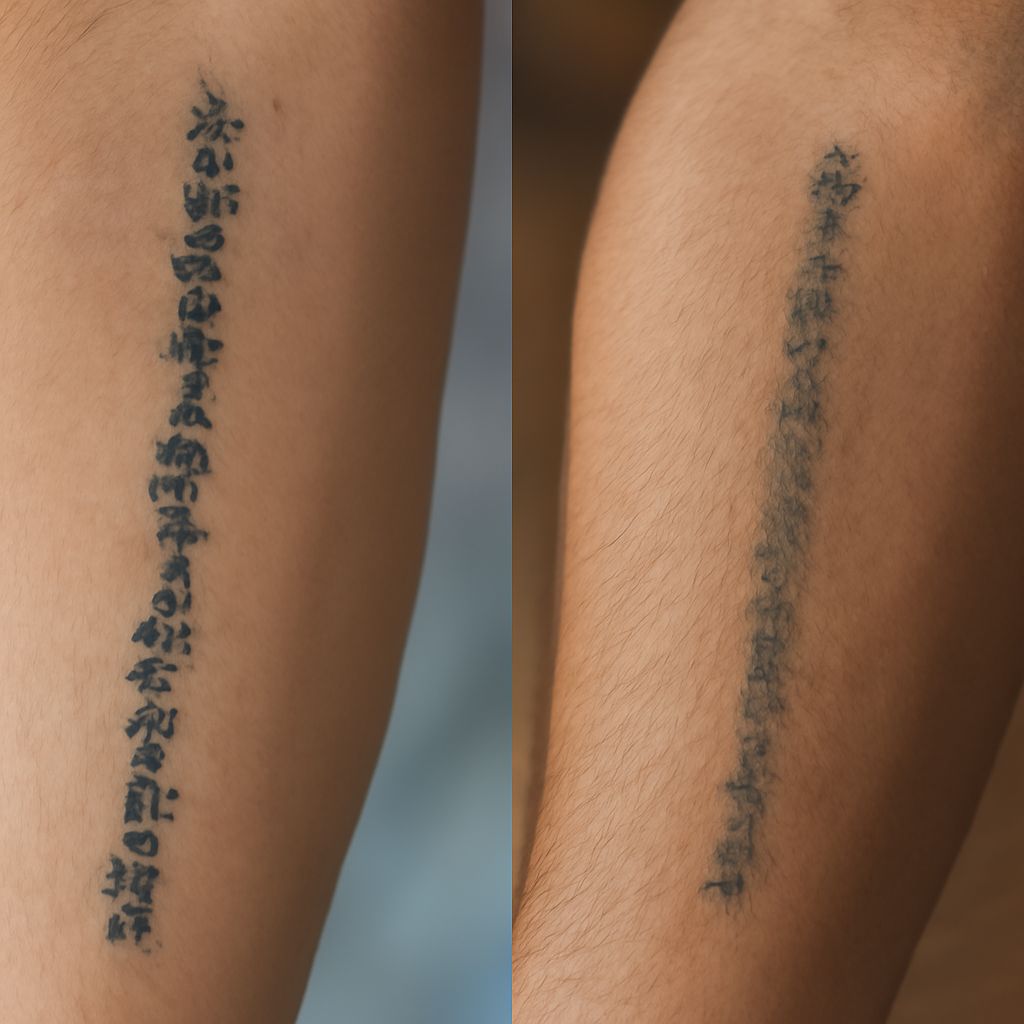
Over time, all tattoos age, but aged watercolor tattoos have a distinct aging process. Without the firm outlines of traditional tattoos, the colors may gradually fade and blend further, sometimes resulting in a less defined appearance. This transformation is part of what makes aged watercolor tattoos unique, as they tend to become softer and more muted over the years.
You might notice that the once-vibrant hues of your watercolor tattoo become subdued, giving it an ethereal and vintage look. While some enjoy this natural evolution, others might seek touch-ups to maintain the vibrancy of their original design. Understanding how watercolor tattoos age will help you set realistic expectations and appreciate the artwork’s journey.
Factors Influencing Watercolor Tattoo Aging
Several factors can influence how watercolor tattoos age. One of the most significant factors is sun exposure. Ultraviolet rays can lead to fading, emphasizing the importance of protecting your tattoo from excessive sunlight. Using sunscreen can help preserve the vibrancy of the colors.
The placement of your tattoo also plays a role. Tattoos in areas with high friction, such as hands and feet, may experience faster aging due to constant rubbing and wear. Moreover, the skin’s natural aging process can affect how watercolor tattoos over time change, with skin elasticity and texture playing a part.
Finally, the quality of the tattoo ink and the expertise of the tattoo artist can significantly impact the longevity of your watercolor tattoo. Choosing an experienced artist who uses high-quality inks ensures that your tattoo ages gracefully.
Tips to Maintain Your Watercolor Tattoo Over Time
To ensure your watercolor tattoo remains beautiful as it ages, there are several care tips you can follow. First and foremost, protecting your tattoo from the sun by applying a high SPF sunscreen can prevent premature fading. Additionally, keeping your skin moisturized helps maintain its elasticity, which in turn preserves the tattoo’s appearance.
Regular touch-ups can also be a great way to keep your watercolor tattoo vibrant. Unlike traditional tattoos, the delicate nature of watercolor designs may require more frequent maintenance to maintain their original allure. Consulting with your tattoo artist about the best maintenance schedule for your specific design can be beneficial.
Lastly, maintaining a healthy lifestyle, including proper hydration and nutrition, supports overall skin health, which is vital for keeping your watercolor tattoo looking its best.
Examples of Watercolor Tattoos Over Time
Many individuals proudly share their aged watercolor tattoos, showcasing how the art evolves. For some, the softening of colors and blending over time enhance the abstract and fluid nature of the design. Observing these transformations can provide inspiration and understanding of how your own tattoos might change.
For instance, a vibrant floral piece may initially showcase bold pinks and greens that gradually meld into softer pastels. This gentle aging process can add character and charm to the artwork, illustrating the passage of time in a beautiful way.
Exploring galleries of aged watercolor tattoos can offer you insight into the long-term aesthetic potential of this art form and help you appreciate the unique beauty that comes with age.
Conclusion
Understanding how watercolor tattoos age is crucial for anyone considering this artistic style. While the vibrant colors and fluid designs of watercolor tattoos are captivating, their transformation over time adds another layer of beauty. By considering factors such as sun exposure, placement, and aftercare, you can enjoy your watercolor tattoo for years to come.
Whether you choose to embrace the natural fading and blending of colors or opt for regular touch-ups to maintain vibrancy, the journey of a watercolor tattoo is a deeply personal and artistic expression. Remember, your tattoo is not just a static image but a living piece of art that evolves with you.