What do you draw when you cannot decide what to draw? This is one of the most common forms of creative block, and it has a practical solution: external randomization. A random drawing generator removes the decision paralysis by making the choice for you. Once the subject is assigned rather than chosen, the psychological resistance to starting drops significantly. Whether you use a dedicated drawing randomizer tool, generate random cartoons through character and scenario generators, or use a drawing inspiration generator that provides prompts ranging from simple objects to complex narrative scenes, the underlying value is the same — getting started is almost always the hardest part, and randomization solves the getting-started problem directly. Having access to a collection of random cartoons ideas also connects to the broader practice of studying existing cartoon work for style and technique reference.
This guide covers the best tools and approaches for randomized drawing inspiration, how to use them productively, and how randomization connects to deliberate skill development.
Why Random Drawing Generators Work
A random drawing generator works on the same principle as the writer’s prompt: removing authorial choice at the subject-selection stage frees creative energy that would otherwise be consumed deciding what to draw. The randomness is not the point — the point is getting you into the act of drawing quickly, with a specific, committed subject rather than a vague intention.
Psychological research on creative work consistently shows that people perform better at creative tasks when they have specific constraints rather than open-ended freedom. A random drawing generator provides the most useful kind of constraint: a specific subject without any judgment about whether it is a good or bad choice. You draw what you are given, and in the process of drawing something unexpected, you often discover approaches and interests you would not have found by following familiar preferences.
Types of Drawing Randomizers
The drawing randomizer category encompasses several different tool types suited to different drawing goals:
- Subject randomizers: Generate a single object, animal, or concept to draw. Simple and effective for still-life and observational practice. Random item generators on sites like randomwordgenerator.com can serve this function.
- Character generators: Randomize character attributes — species, occupation, personality trait, visual style. Useful for character design practice and illustration students developing their design vocabulary.
- Scene and scenario generators: Combine a character, a location, and an action into a narrative prompt. More complex and well suited to storytelling illustration and comic art practice.
- Style randomizers: Assign a visual style or influence to a drawing subject. Drawing a cat in the style of Ukiyo-e, or a landscape in the style of Art Nouveau, builds style awareness alongside subject drawing skills.
The best drawing randomizer tool is whatever generates subjects at your current skill challenge level — difficult enough to require real effort but not so complex that the subject itself becomes an obstacle before you have even started drawing.
Random Cartoons for Practice and Reference
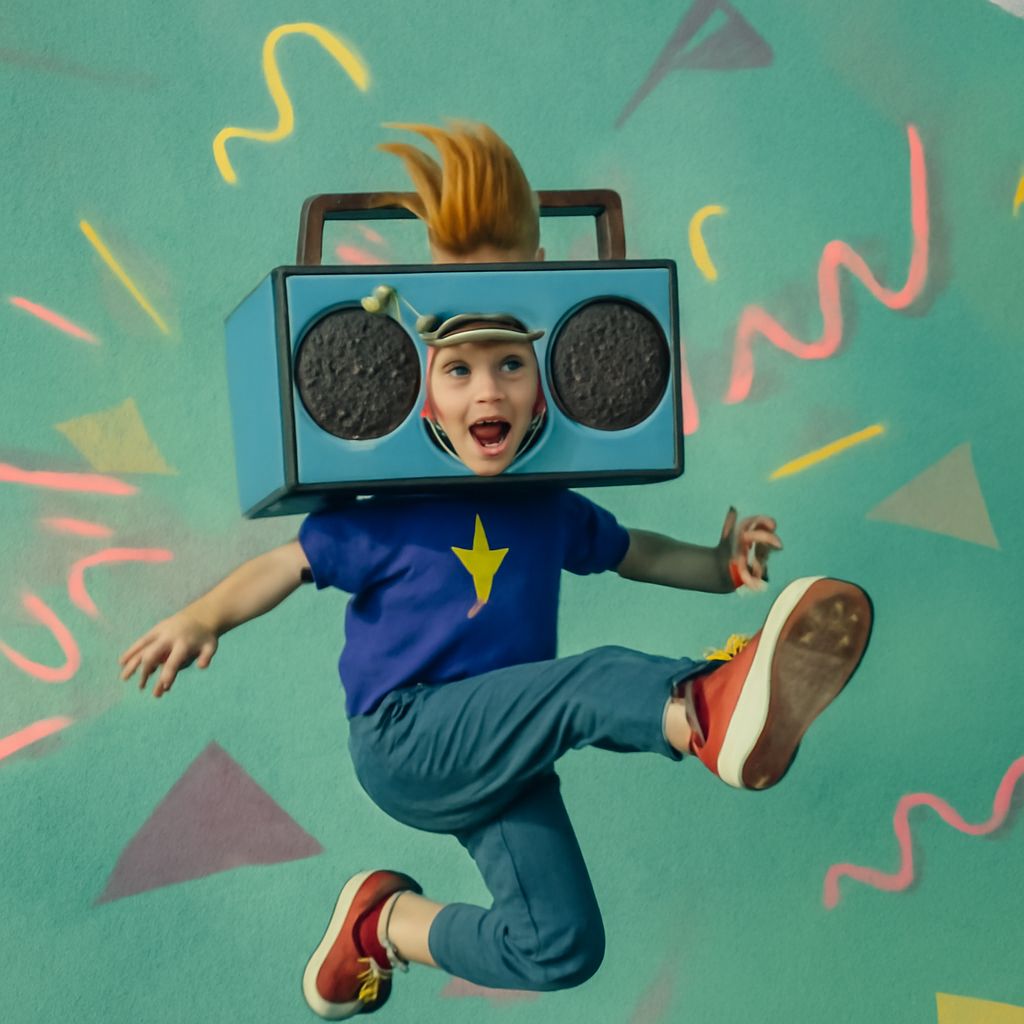
Random cartoons generators produce character design combinations that would be unlikely to arise from self-directed work — a grumpy elderly squid who runs a bakery, a nervous robot learning to dance, a confident child detective in a fantasy setting. These combinations develop the creative muscle of designing characters for specific emotional and narrative contexts rather than designing in the abstract.
For illustration and animation students, random cartoons prompts provide practice material that mirrors real professional conditions — concept artists and story artists routinely work from specific, externally assigned character and scenario briefs. Using random cartoons prompts for regular practice builds comfort with external briefing that pure self-directed work cannot develop.
Drawing Inspiration Generator Tools Worth Knowing
Several drawing inspiration generator sites and applications have established themselves as particularly useful for practicing artists. Artprompts.org generates themed prompts with adjustable difficulty settings. Seventh Sanctum offers extensive genre-specific generators for fantasy, science fiction, and character design. Perchance allows user-created generators that drawing communities share freely.
A good drawing inspiration generator provides enough specificity to be actionable — not just “draw an animal” but “draw a determined badger who has just discovered something surprising underground” — while leaving enough creative latitude that your drawing decisions remain your own. The best drawing inspiration generator prompts are starting points, not complete descriptions. They provide the subject and situation; your visual interpretation is where the actual creative work happens.
Building Randomization into Your Practice
The most effective use of any random drawing generator is as a regular component of your practice routine rather than an emergency measure when inspiration fails. Dedicated one session per week to completely randomized subject drawing. Use whatever tool or method generates subjects you would not choose on your own. Over months, this practice expands your drawing vocabulary, builds confidence with unfamiliar subjects, and prevents the narrowing that happens when artists only draw what they already know how to draw well.