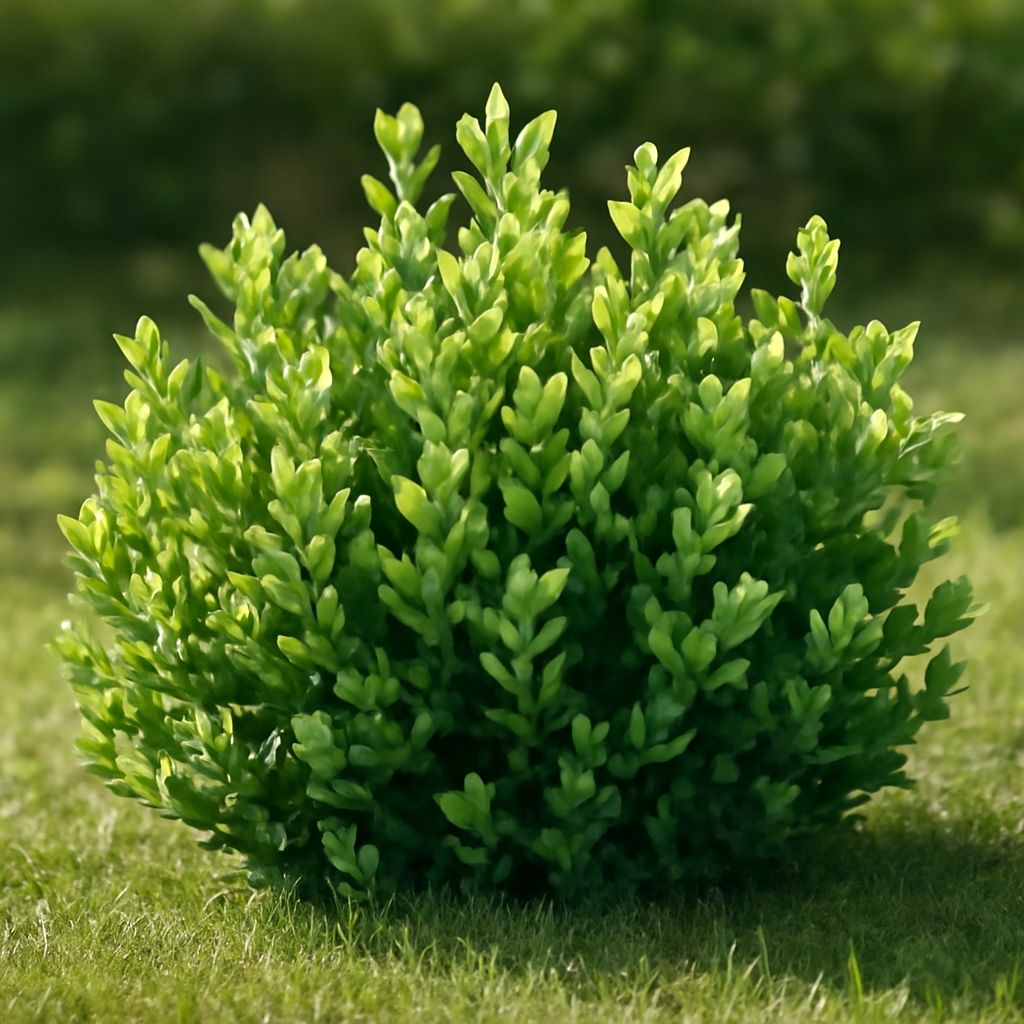
Have you ever wondered how artists create those ethereal, luminous effects in watercolor paintings? The secret lies in mastering watercolor transparent techniques. From painting delicate watercolor bushes to crafting enchanting watercolor princess portraits, understanding how to manipulate transparency can significantly enhance your art. But what makes watercolor transparent, and how can these techniques be used to elevate your everyday watercolor practice?
Whether you’re an aspiring artist or a seasoned creator, incorporating transparent watercolor techniques into your routine can transform your work. Let’s dive into the world of watercolor, exploring various methods to achieve stunning effects and add a touch of magic to all your watercolor scenes.
Understanding Transparent Watercolor
What Makes Watercolor Transparent?
Watercolor paint is known for its transparent quality. This transparency comes from the use of a pigment that, when mixed with water, allows the white of the paper to shine through. Unlike opaque mediums, watercolor relies on the paper and the water to create its vibrant effects. This characteristic is what makes watercolor transparent, allowing for a range of luminous possibilities.
When using watercolor, you can control the level of transparency by adjusting the water-to-paint ratio. More water results in greater transparency, whereas less water allows for more intense color. Understanding this balance is crucial for mastering watercolor transparent techniques.
Benefits of Using Transparent Watercolor in Art
The use of transparent watercolor offers several benefits. First, it allows for dynamic layering, creating depth and complexity in your artwork. You can build up layers of color gradually, allowing each to interact with the others and produce new hues and effects. Additionally, transparent watercolor can convey a sense of light and air, making your paintings feel alive and vibrant.
Another benefit is the ability to create subtle transitions and fades, which are essential for capturing natural scenes like watercolor bushes or the delicate details of a watercolor princess. These effects are difficult to achieve with opaque paints, making transparency an invaluable tool for artists.
Techniques for Mastering Watercolor Transparent Art
Layering and Blending Techniques
Layering is a fundamental technique in transparent watercolor painting. Begin with a light wash and gradually add layers of pigment. Allow each layer to dry completely before adding the next. This patience will prevent unwanted mixing and ensure clarity in your colors.
Blending is another key technique. By gently mixing adjacent colors while wet, you can create smooth transitions. This is particularly effective for painting soft skies or the gentle curves of a watercolor princess’s gown.
Creating Depth and Texture
To create depth, use a combination of light and dark transparent layers. Darker hues can be used to add shadows, while lighter washes can suggest light and distance. This is especially useful when painting watercolor bushes, where depth adds realism.
Texture can also be achieved through various techniques, such as dry brushing or using salt to create a speckled effect. These methods add interest and variety to your transparent watercolor art, enhancing its visual appeal.
Painting Watercolor Bushes and Landscapes
Step-by-Step Guide to Watercolor Bushes
Start with a light green wash to outline your bushes. Once dry, layer with different shades of green to add volume and depth. Add darker greens where shadows fall and lighter washes where light hits.
Use a fine brush to add details like leaves or flowers. The transparency will allow these details to be visible without overpowering the scene, giving your watercolor bushes a realistic and lively appearance.
Tips for Painting Lush Landscapes
For landscapes, begin with the sky, using a wet-on-wet technique to achieve smooth gradients. Then, work your way to the foreground, layering transparent watercolor to build up the scene.
Incorporate a variety of greens and earth tones to depict varied vegetation. Transparent layering will help you convey the richness and diversity of the natural world, making your landscapes come to life.
Incorporating Everyday Watercolor into Your Routine
Quick Practices for Daily Improvement
Consistency is key in improving your watercolor skills. Dedicate a small part of each day to practice. Quick sketches or painting small sections of a scene can help you become more familiar with your materials and techniques.
Try focusing on one aspect at a time, such as mastering the transparency of a single color or practicing the layering technique. Over time, these small efforts will lead to noticeable improvements in your everyday watercolor art.
Tools and Materials for Everyday Watercolor
Investing in quality brushes and paper can make a significant difference in your results. Fine brushes offer better control for details, while high-quality paper can handle multiple layers without warping.
Experiment with different brands of watercolor paints to find those that best suit your style. Some may offer more vibrant colors or smoother blending, enhancing your watercolor transparent techniques.
Creating Stunning Watercolor Princess Art
Capturing Elegance and Detail
When painting a watercolor princess, focus on capturing the elegance of the figure. Use light washes for delicate features and graceful fabric folds. Add layers gradually to build up color intensity and depth.
Details such as hair and facial expressions should be painted with precision. The transparency of watercolor will allow for soft transitions and highlights, adding to the ethereal quality of your princess art.
Inspiring Examples and Ideas
Look to fairy tales and fantasy illustrations for inspiration. Notice how artists use transparency to create magical atmospheres and intricate details. Incorporate these elements into your own watercolor princess paintings to create captivating pieces.
Experiment with different color palettes to convey different moods or themes. By mastering watercolor transparent techniques, you can bring your unique vision of a princess to life.
Next Steps
Now that you’ve explored the world of transparent watercolor techniques, it’s time to put them into practice. Begin with small projects like painting simple watercolor bushes, and gradually work up to more complex scenes. Regular practice will not only enhance your skills but also inspire creativity in your everyday watercolor art. With patience and dedication, your transparent watercolor pieces will shine with depth and beauty.