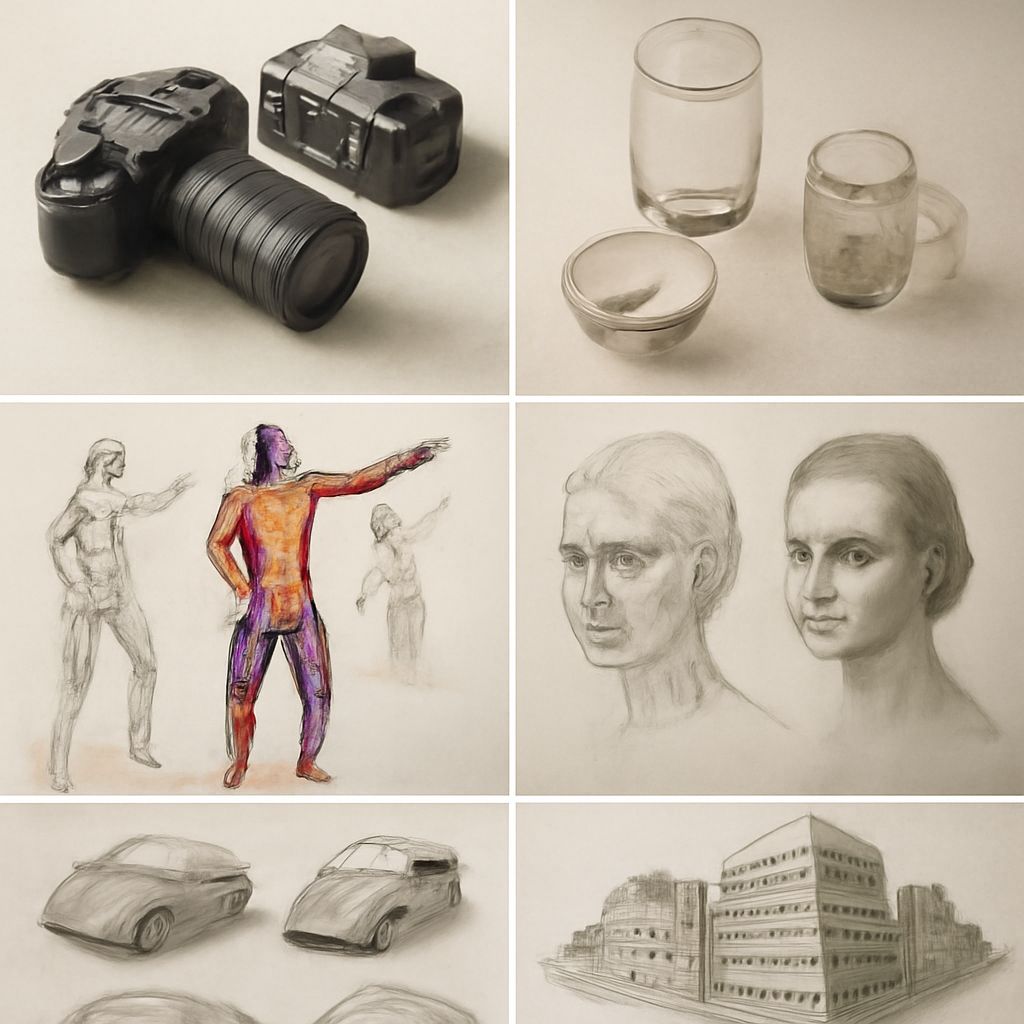
Have you ever looked at a piece of art and wondered what makes it unique? The answer often lies in the drawing style employed by the artist. Understanding the types of drawing styles can open up a world of creative possibilities, allowing you to express your artistic vision in myriad ways. By exploring a comprehensive drawing styles list, you can discover the vast array of techniques that define the art world today.
Whether you’re a seasoned artist or just beginning your journey, knowing different drawing types is crucial for expanding your creative toolbox. This guide aims to provide insights into various drawing styles, helping you understand their characteristics and how you can apply them to your work. Ready to dive into the fascinating world of drawing styles? Let’s explore!
Understanding Different Types of Drawing Styles
What Defines a Drawing Style?
A drawing style is defined by the techniques and methods used to create artwork. Each style has its own distinctive features, from the meticulous detail of realism to the imaginative and freeform lines of abstract art. By exploring different types of drawing styles, you can learn how to express emotions, tell stories, and capture the essence of your subject matter.
Understanding what defines a drawing style helps in recognizing what resonates with you personally. As you explore, you’ll discover that each style offers unique ways to convey your thoughts and feelings, enabling a deeper connection with your audience.
The Importance of Diverse Drawing Types
Embracing diverse drawing techniques not only enhances your skill set but also broadens your creative horizons. Different drawing types challenge you to think outside the box, encouraging experimentation and innovation. As you engage with various styles, you will find inspiration that can ignite new ideas and spark creativity in your work.
Exploring a variety of drawing types allows you to see the world from multiple perspectives. This diversity in approach can lead to a more nuanced understanding of art, promoting growth and mastery in your artistic journey.
Popular Drawing Styles List
Realism and Hyperrealism
Realism is characterized by its lifelike representation of subjects, aiming to capture them as they appear to the naked eye. Often considered one of the most challenging types of drawing styles, realism requires a keen eye for detail and precision. Hyperrealism takes this concept to the next level, producing artwork that can often be mistaken for photographs.
Artists who master realism and hyperrealism often spend years honing their skills, paying close attention to light, shadow, and texture. By practicing these styles, you can improve your observational skills and attention to detail.
Abstract and Surrealism
Abstract art breaks away from traditional representation, using shapes, colors, and forms to express ideas and emotions. Surrealism, on the other hand, melds the dream world with reality, creating fantastical scenes that challenge the viewer’s perception.
These styles encourage creativity and imagination, allowing artists to explore new realms of possibility. By experimenting with abstract and surrealism, you can discover how to communicate complex concepts through unconventional methods.
Cartoon and Comic
Cartoon and comic styles are known for their exaggerated features and storytelling capabilities. Often used to convey humor or satire, these styles focus on character development and narrative structure. Whether you’re crafting a single-panel cartoon or a full-fledged graphic novel, these types of drawing styles offer a playful and dynamic way to engage with your audience.
By incorporating elements of cartoon and comic art into your work, you can explore the world of visual storytelling, mastering the art of expression through simplified forms and bold outlines.
How to Choose Your Drawing Style
Consider Your Interests
When choosing your drawing style, it’s important to consider what subjects and themes resonate with you. Do you prefer capturing detailed scenes from life, or are you drawn to the abstract and imaginative? Reflecting on your interests can guide you toward the styles that align with your artistic vision.
Your personal preferences play a significant role in determining which drawing types you’ll find most fulfilling. Whether you’re captivated by the elegance of realism or the whimsy of cartoons, following your interests will lead to a more authentic creative expression.
Experiment with Various Techniques
Experimentation is key to finding your unique voice in the art world. Trying out various drawing styles allows you to discover what feels most natural and enjoyable. Don’t be afraid to mix techniques, combining elements from different styles to create something truly original.
By exploring multiple styles, you can refine your skill set and gain a deeper understanding of what makes each technique special. This hands-on approach fosters creativity and helps you develop a unique drawing style that reflects your individuality.
Developing Your Unique Drawing Style
Combining Different Styles
Once you’ve explored various types of drawing styles, you can begin to blend them into a cohesive whole. Combining different styles allows you to draw from a rich tapestry of influences, creating work that is both innovative and personal.
Experiment with merging realism with abstract elements, or infusing cartoon-like characteristics into realistic settings. This approach not only enhances your creativity but also sets your work apart from others, establishing a distinctive artistic identity.
Continuous Learning and Adaptation
Artistic growth is an ongoing journey, and staying open to new ideas is essential for developing your drawing style. Engaging in continuous learning, whether through workshops, online courses, or self-study, keeps your skills sharp and your mind open to fresh possibilities.
Adaptation is crucial as you evolve as an artist. By remaining flexible and receptive to change, you can incorporate new influences and techniques into your work, ensuring your unique drawing style remains dynamic and relevant.
Pro tips recap: Dive into the world of art by exploring different types of drawing styles and experimenting with various techniques. Consider your interests to guide your choices and continuously strive to learn and adapt. By blending styles and fostering your creativity, you can develop a unique artistic voice that resonates with your audience. Remember, the journey of artistic discovery is as rewarding as the destination!