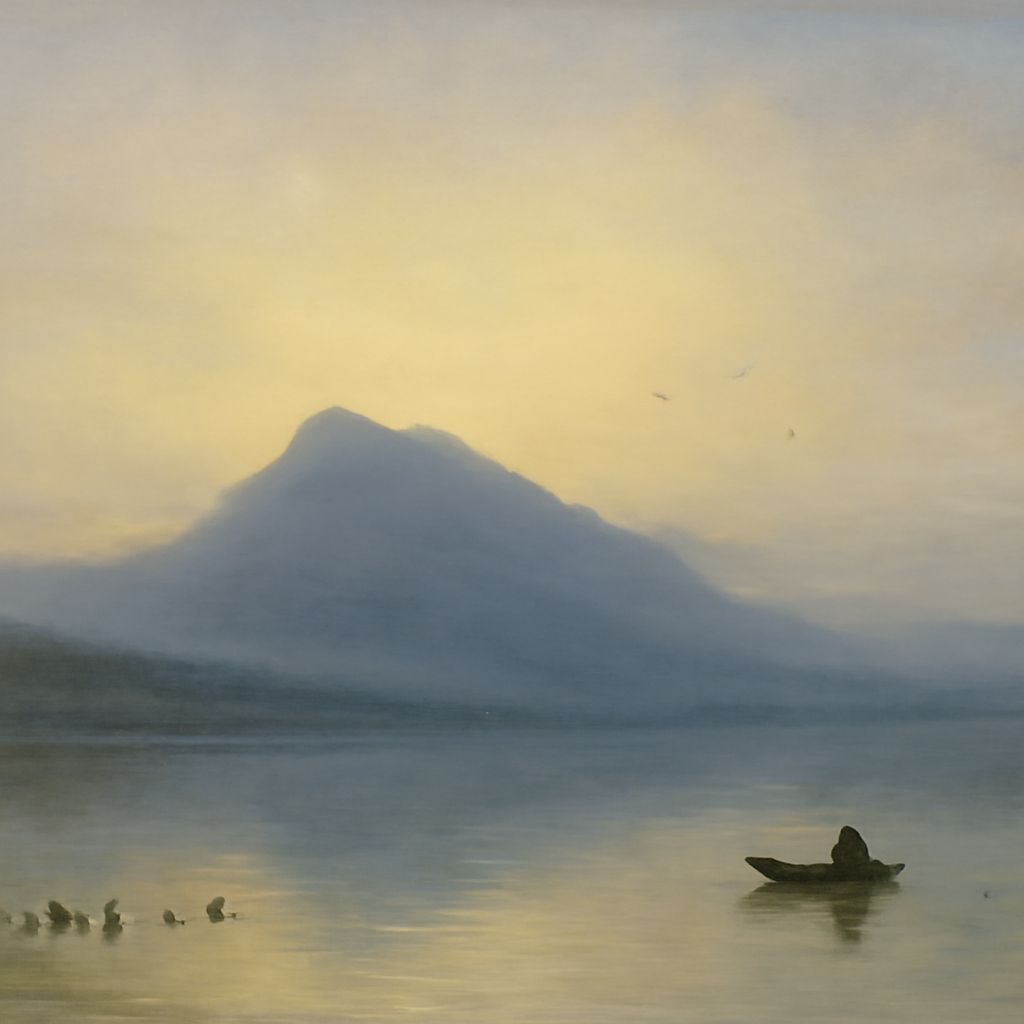
Have you ever wondered how artists achieve those mesmerizing gradients and serene landscapes using watercolors? The secret lies in mastering watercolor wash techniques. Whether you are a budding artist or an experienced painter looking to refine your skills, understanding these essential techniques can significantly elevate your artwork. In this guide, we will delve into the world of ink wash drawing and explore how combining these methods can bring depth and precision to your creations.
Watercolor washes are more than just background fillers; they form the essence of many masterpieces. By learning the art of watercolor compass and honing your shading skills, you can add a new dimension to your paintings. Join us as we explore these techniques in detail, offering you the tools and knowledge to transform your artistic vision into reality.
Understanding Watercolor Washes
What is a Watercolor Wash?
A watercolor wash is a layer of diluted paint applied to a large area of paper to create a uniform color field. In essence, it sets the stage for your artwork, allowing you to build upon it with more detail. You will find that a watercolor wash can serve as the backdrop of a landscape or the sky in a portrait, offering subtlety and balance to your painting.
By mastering the art of watercolor wash, you develop a foundational skill crucial for any watercolor artist. The beauty of this technique lies in its simplicity and versatility, providing a base from which you can express your creativity.
Types of Watercolor Washes
There are several types of watercolor washes, each serving a unique purpose. The flat wash is one of the simplest, providing a consistent layer of color across the paper. Then, there is the graded wash, which gradually transitions from one color or tone to another, perfect for backgrounds and skies.
Understanding these types allows you to choose the right wash for your project, enhancing the overall impact of your composition. Each type offers its own set of challenges and rewards, often requiring practice and patience to perfect.
Techniques for Effective Watercolor Wash
Flat Wash Technique
The flat wash technique is a cornerstone of watercolor painting. To achieve it, you need even strokes and a consistent amount of paint and water. Start by loading your brush with a generous amount of paint, ensuring that the mixture is neither too watery nor too thick. Move your brush steadily across the paper in parallel strokes, maintaining a consistent pressure.
As you practice this technique, you will find that it requires a delicate balance between speed and control. The key is to work quickly enough to keep the paint wet but slow enough to ensure even coverage. With time, your flat washes will become more precise and uniform.
Graded Wash Technique
The graded wash technique adds a dynamic quality to your painting by transitioning from one tone to another. Begin with a strong, consistent color at one end of your paper. As you move across the surface, gradually add more water to your brush. This dilution process will create a seamless gradient effect.
Mastering this technique requires an understanding of how water and pigment interact on the paper. Practice controlling the water-to-paint ratio to achieve smooth transitions, enhancing your landscapes and backgrounds with depth and intrigue.
The Art of Ink Wash Drawing
Introduction to Ink Wash Drawing
Ink wash drawing is an ancient technique that uses varying concentrations of ink to create depth and texture. It is often used alongside watercolor wash techniques to add contrast and detail. The method involves diluting ink with water to achieve different tones, similar to watercolor washes.
By experimenting with ink wash drawing, you can add an expressive quality to your artwork. This technique is particularly effective for creating dynamic black-and-white compositions or adding depth to watercolor paintings.
Combining Ink and Watercolor Washes
Combining ink and watercolor washes opens up a world of creative possibilities. The boldness of ink can complement the subtleness of watercolors, resulting in a balanced and captivating piece. Begin by applying a watercolor wash to establish your base layer. Once dry, use ink to outline and highlight key elements, adding contrast and emphasis.
This combination requires a thoughtful approach to color and line work. By carefully integrating these elements, you can create a harmonious blend that accentuates the strengths of both mediums.
Exploring Watercolor Compass and Shading
Using a Watercolor Compass for Precision
A watercolor compass is a tool that allows you to draw perfect circles or arcs, providing a level of precision that is difficult to achieve freehand. This tool is invaluable when your composition requires symmetrical shapes or detailed geometric patterns.
Incorporating a watercolor compass in your work not only enhances accuracy but also allows you to experiment with intricate designs. As you grow more comfortable with this tool, you will find new ways to incorporate precision into your artwork.
Mastering Watercolor Shading Techniques
Shading is essential for adding depth and dimension to your watercolor paintings. By adjusting the pressure and angle of your brush, you can create a range of tones that suggest light and shadow. This skill is crucial for realistic portrayals and enhances the three-dimensional quality of your compositions.
Practicing shading techniques involves exploring different brush strokes and experimenting with color intensity. Over time, you will develop a more nuanced understanding of how light interacts with form, allowing you to bring your paintings to life with subtlety and sophistication.