Why does groin anatomy trip up so many figure artists? The region where the torso meets the upper leg is one of the most anatomically complex areas of the human body, and it reads differently depending on posture, body type, and the angle of observation. Whether you’re approaching groin muscle anatomy from a clinical reference perspective or trying to draw the figure with more accuracy, understanding the underlying structure will improve your work immediately.
This guide covers the key muscles that define groin anatomy, explains how male groin anatomy and female groin anatomy differ in ways that matter for artists, examines what the broader term crotch anatomy encompasses for drawing purposes, and gives you a practical reference framework for translating anatomical knowledge into accurate figure work.
Core Muscles of the Groin Region
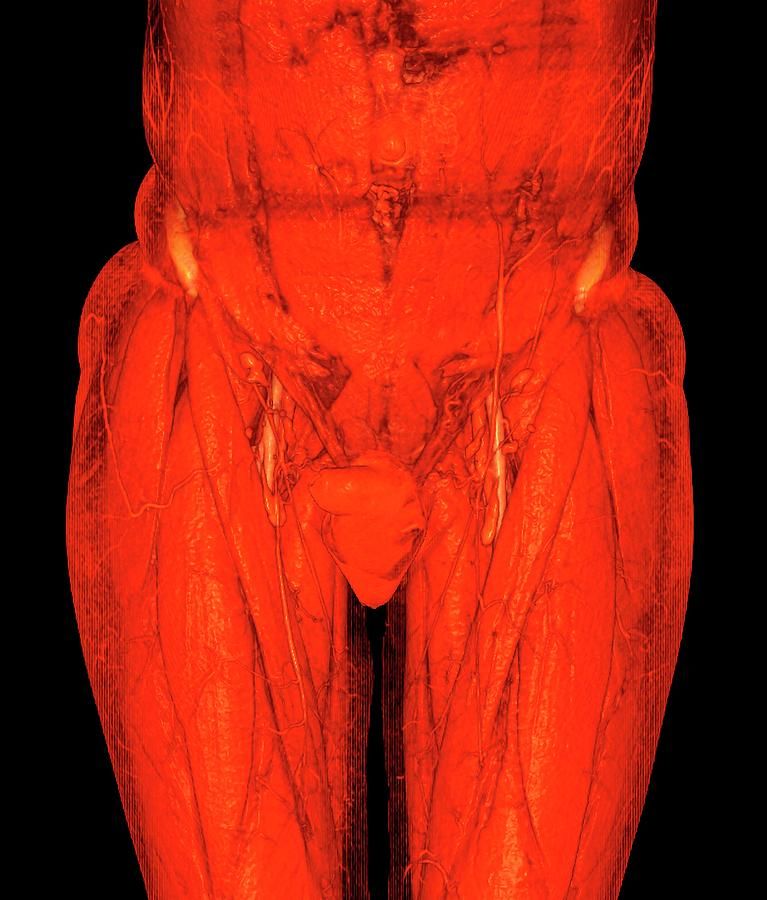
The Adductor Group Groin muscle anatomy is dominated by the adductor group: a set of muscles on the inner thigh that pull the leg toward the body’s center line. The adductors, including the adductor magnus, longus, and brevis along with the gracilis and pectineus, originate at the pubic bone and fan outward and downward toward the femur. When you see the inner thigh surface in a figure drawing, you’re largely seeing the surface expression of this group.
In a standing pose with legs slightly apart, these muscles create a characteristic diagonal tension line from the pubic area toward the inner knee. In a seated pose, they flatten and spread. Understanding how groin muscle anatomy changes with posture is essential for drawing figures convincingly in multiple positions.
The Iliopsoas and Hip Flexors
The iliopsoas, which includes the iliacus and psoas major, is the primary hip flexor and runs from the lower spine and pelvis down to the femur. It’s not visible directly at the groin surface, but its action shapes the front of the hip and upper thigh in poses where the knee is raised. When you draw a figure lifting a leg or leaning forward from the hip, the iliopsoas’s influence on surface form becomes apparent even though you can’t see the muscle itself.
Male Groin Anatomy for Drawing
Structural Differences That Affect the Surface Male groin anatomy has several characteristics that differ from female groin anatomy in ways that artists need to understand. The male pelvis is generally narrower and more vertical, which affects how the adductors angle from origin to insertion. The inguinal ligament, which runs from the anterior superior iliac spine to the pubic tubercle, creates a visible crease at the groin fold in both sexes, but the angle of this crease varies with pelvic width and tilt.
In male groin anatomy, the inguinal canal, which contains the spermatic cord, creates a slight topographic variation in the lower abdominal wall that becomes relevant in lean figures. This is a subtle detail, but one that distinguishes a carefully observed drawing from one that applies generic anatomical knowledge without subject-specific reference.
Female Groin Anatomy for Drawing
Female groin anatomy reflects the broader female pelvis, which is wider and more tilted anteriorly than its male counterpart. This wider base means the adductors originate at a wider point, which changes the angle of the inner thigh and makes the groin fold crease appear at a slightly different angle than in male figures. The overall shape of the hip-to-thigh transition is smoother and more curved in female anatomy, with the greater trochanter of the femur less prominent at the surface.
For artists, the primary practical difference is in the outer hip profile and the inner thigh shape in standing poses. Female anatomy in this region typically shows a more pronounced inward curve at the inner thigh, and the adductor mass is often less visually defined at the surface. Studying life drawing references of both anatomies is the most direct way to internalize these differences.
Crotch Anatomy and Drawing Conventions
Crotch anatomy, as a broader term, encompasses the external structures visible at the juncture of the legs and the torso. For the figure artist, this area presents consistent compositional challenges regardless of whether you’re drawing clothed or unclothed figures. The angle and coverage of this region define how the legs read in relation to the torso, and getting the transitions wrong creates figures that look disconnected or structurally implausible.
Study how different poses alter the visual information available in this region. A front-facing standing pose gives you a clear view of the adductor origin area and the inguinal fold. A three-quarter view introduces foreshortening that changes the perceived width of the inner thigh. A seated pose compresses the region and brings the adductors into greater visual prominence. Crotch anatomy in drawing is ultimately about understanding these transitions so you can represent them accurately across varied poses.
Bottom line: Groin anatomy is one of the most structurally complex areas in figure drawing, and accurate understanding of groin muscle anatomy, along with the specific differences between male groin anatomy and female groin anatomy, will make your figures more convincing. Build your reference library from life drawing and anatomical illustration, and study the same pose from multiple sources before drawing it yourself.