Why do certain drawing subjects consistently produce stronger work than others, even for artists at the same skill level? The subject itself provides either useful visual structure or ambiguity, and subjects with strong graphic contrast and clear form hierarchies tend to produce better results. A zebra head drawing gives you exactly that: bold pattern, strong silhouette, and clear structural geometry that teaches observation skills applicable to any subject. A death head moth drawing offers a different kind of graphic challenge, while mastering a head looking down drawing and face looking down drawing builds the foreshortening skills every figure artist needs.
This guide also covers how a drawing scanner changes the workflow for artists who work traditionally, and why digitizing your work effectively is as important a skill as the drawing itself.
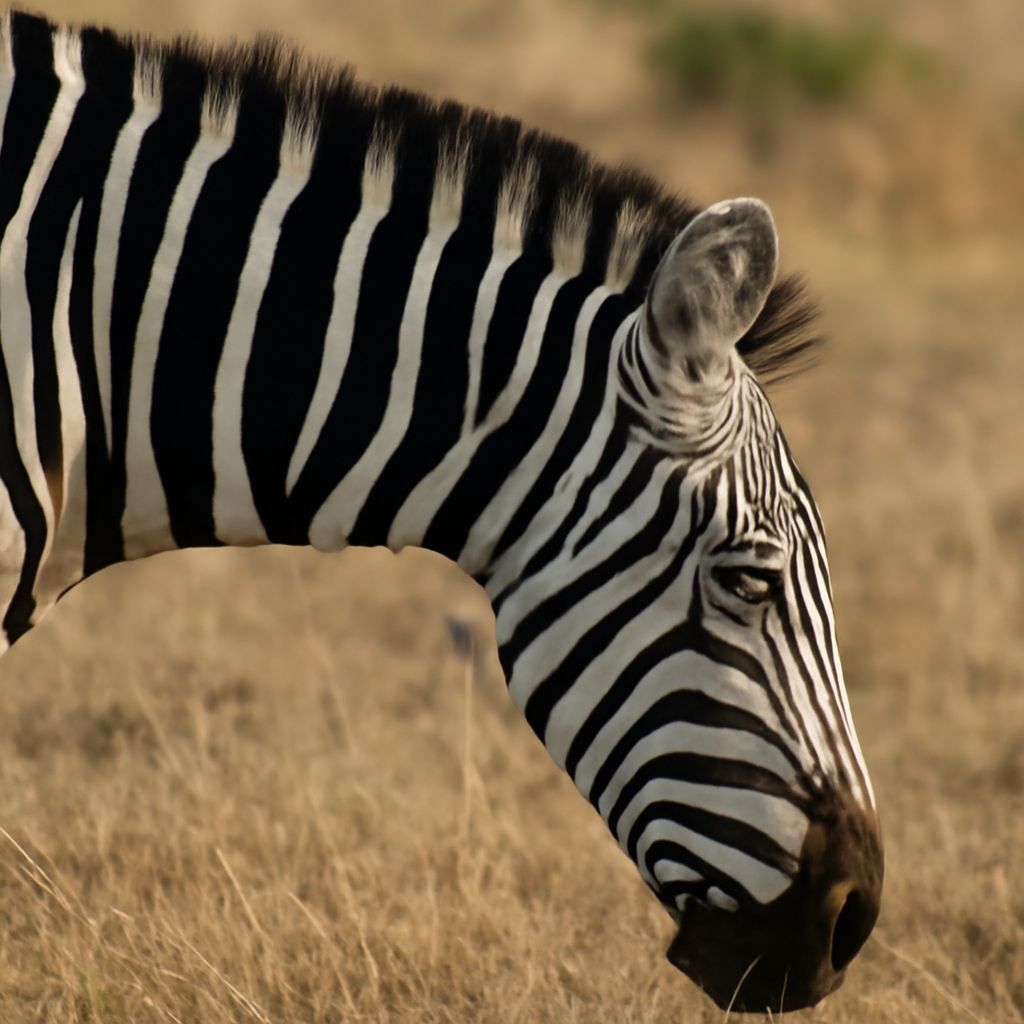
Zebra Head Drawing: Pattern and Structure
Why Stripes Make You a Better Artist A zebra head drawing forces you to solve a problem that most animal drawing subjects don’t present: integrating surface pattern with three-dimensional form. The stripes follow the contours of the zebra’s skull, narrowing where the form curves away and widening where it faces the viewer. If you paint or draw the stripes as flat two-dimensional shapes, the head will look flat. If you follow the underlying form with each stripe, the head will read as three-dimensional even in a line-only drawing.
This discipline of following surface pattern over form is one of the most valuable things you can practice. It applies to fabric folds on figures, scales on reptiles, and any other patterned surface in animal drawing. Mastering the zebra head drawing gives you a tool you’ll use across many other subjects.
Structural Landmarks of the Zebra Head
Before placing any stripes, establish the underlying bone structure of the zebra skull. The cranium is a large dome that narrows into a long, rectangular muzzle. The eye sits at the junction of the cranium and the upper muzzle. The nostril area at the end of the muzzle is a distinctive bulge. Getting these landmarks placed correctly before adding pattern is the difference between a zebra head drawing that reads as a specific animal and one that looks like a generic horse with painted stripes.
Death Head Moth Drawing and Symbolic Imagery
The death head moth drawing is a subject that sits at the intersection of natural history illustration and gothic or macabre symbolism. The skull-like marking on the thorax of the Acherontia genus is its most distinctive feature, and the drawing challenge is representing this marking convincingly without making it look painted on rather than integrated into the moth’s surface. Study reference photographs to see how the marking follows the curvature of the thorax and how the coloration transitions at its edges.
A death head moth drawing also requires attention to wing texture and pattern. Moth wings have fine scale structures that create a powdery, slightly matte surface quality very different from butterfly wings. Representing this texture in your preferred medium, whether graphite, ink, or digital tools, is a useful exercise in surface quality description.
Head Looking Down Drawing and Face Looking Down Drawing
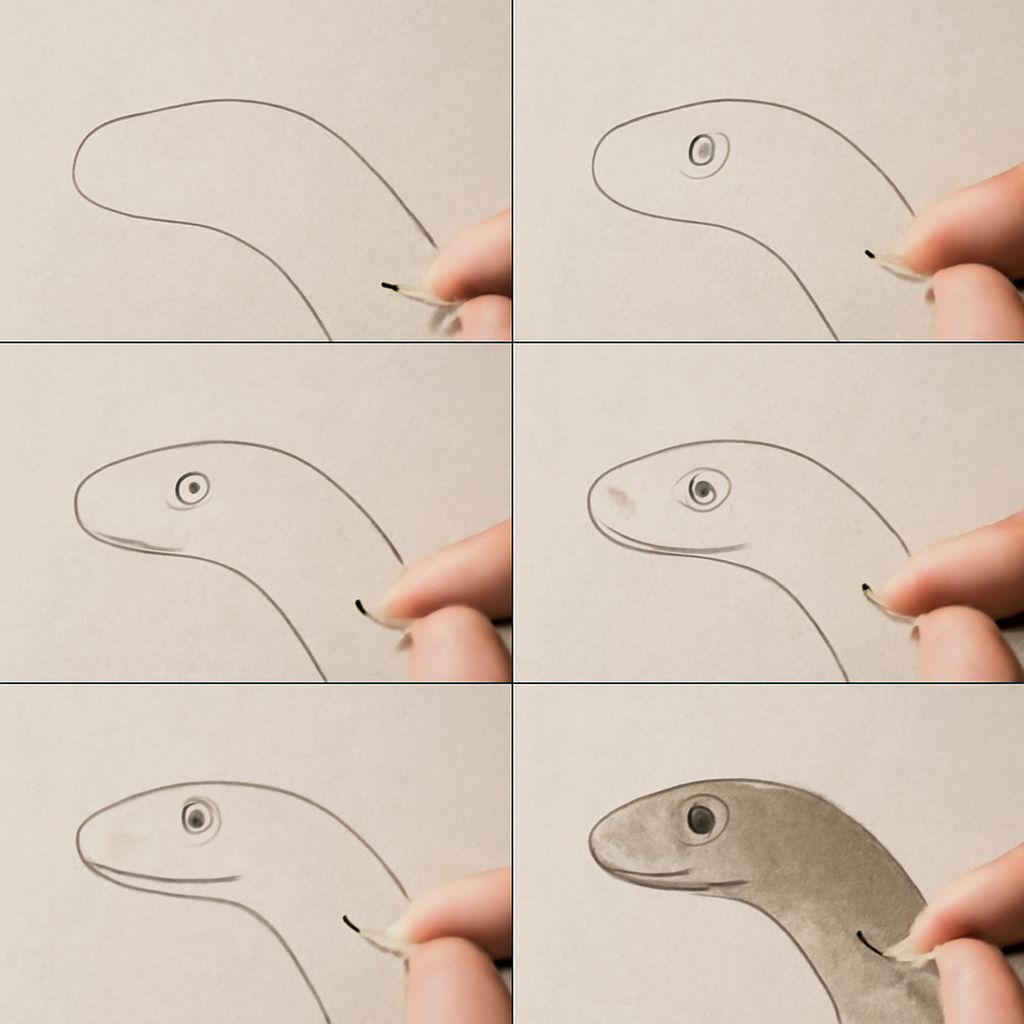
A head looking down drawing is one of the most commonly avoided poses because foreshortening makes familiar proportional rules unreliable. In a face looking down drawing, the top of the skull appears much larger than in a front-facing view, the eye line curves downward at the sides, and the nose appears to project significantly below the eye area. The chin compresses toward the neck.
The key to a convincing face looking down drawing is wrapping all your construction lines around a sphere. The head is a sphere with a face plane. When the sphere tilts, all the features tilt with it, following the curved surface of that underlying sphere. Draw the sphere first, tilt it to the angle you need, then place your facial features on the curved surface. This approach works for both the face looking down drawing and any other angled head position.
Using a Drawing Scanner to Digitize Traditional Work
A drawing scanner specifically designed for artwork captures finer details and tonal range than a standard office scanner. Scanners with optical resolutions of 600 to 1200 DPI work well for most pencil and ink drawings. If you regularly produce work with fine detail, such as a death head moth drawing with detailed wing markings, scan at the higher end of the range and downscale in your software rather than scanning at too low a resolution and losing detail.
For a zebra head drawing with strong contrast between black and white, scan in grayscale rather than color to preserve the full tonal range without color casts. For any drawing scanner work, use a clean, flat scanning bed and gently press the paper flat without creasing to ensure even focus across the whole image. Calibrate your drawing scanner regularly using a standard reference card to ensure consistent output across scanning sessions.