Have you ever wondered how Renaissance sketches have influenced modern artistic techniques? These creations, rich in detail and expression, offer a fascinating glimpse into the artistic brilliance of a bygone era. You can explore the intricate world of flamenco sketches and storyboard sketching techniques, discovering how these elements intertwine with the legacy of Renaissance artistry. By understanding the evolution of sketching from this period, you gain insights into the methods and materials that have shaped art as we know it today.
As you delve into the tapestry of historic artistic sketches, you will encounter the rich legacy left by key figures and movements from the Renaissance. This era, marked by a flourishing of creativity and innovation, has left a permanent mark on the art world. So, what makes Renaissance drawings so unique? Join us as we explore the materials, techniques, and subjects that define these masterpieces, and how they continue to inspire modern sketching practices.
Introduction to Renaissance Drawings
The Historical Context of Renaissance Sketches
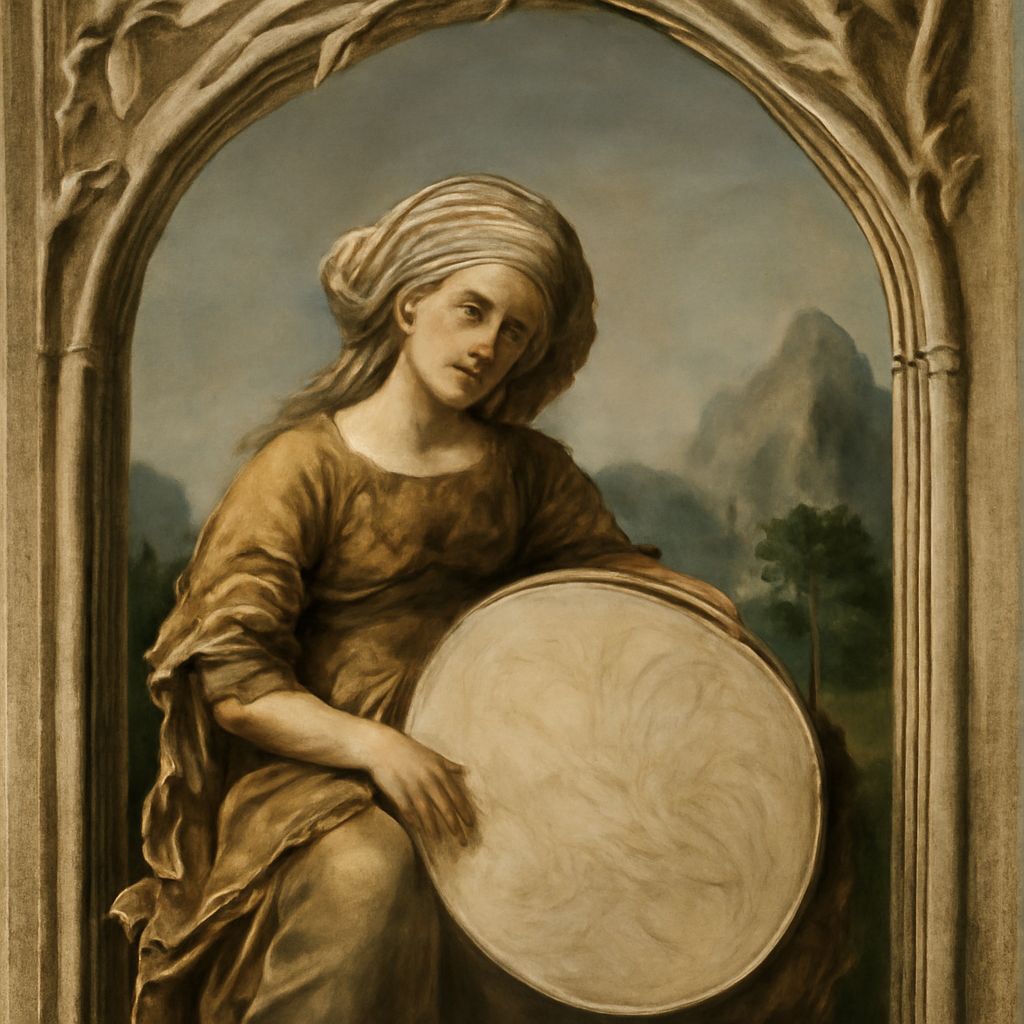
Renaissance sketches emerged during a period of immense cultural rebirth that spanned from the 14th to the 17th century. This era was characterized by a renewed interest in science, philosophy, and the arts. You can see how the shift from medieval to more humanist perspectives influenced artistic styles and the use of sketching as a preparatory tool. These sketches were often created for study, allowing artists to refine their ideas before committing them to more permanent forms.
Key Artists and Their Contributions
The Renaissance saw the rise of legendary artists like Leonardo da Vinci, Michelangelo, and Raphael, whose contributions to sketching were monumental. Leonardo’s notebooks, filled with meticulous studies and sketches, demonstrate how Renaissance sketches served as both explorations of natural phenomena and exercises in artistic mastery. You can also observe Michelangelo’s preparatory drawings, which reveal the intricate planning behind his famous sculptures and paintings.
Techniques in Renaissance Sketches
Common Materials and Tools
The materials and tools used in Renaissance sketches were fundamental in shaping the outcomes of these artworks. Charcoal, chalk, and ink were commonly employed, each offering unique textures and versatility. You can experiment with these materials to understand the range of expression they provide, from the delicate lines of metalpoint to the bold strokes of charcoal. Such traditional tools continue to influence how artists today approach sketching and drawing.
The Role of Flamenco Sketches in Artistic Development While the Renaissance laid the foundation for sketching techniques, the art form continued to evolve. Flamenco sketches, for instance, capture the dynamic movement and emotion of dance. You can see how these sketches convey the rhythmic intensity of flamenco, using gesture and line to express the dancer’s spirit. Such sketches are not only about capturing form but also about evoking the essence of the subject through fluid, spontaneous strokes.
Exploring Flamenco and Storyboard Sketches
Capturing the Essence of Flamenco
Flamenco sketches offer a vivid portrayal of this passionate dance form. The challenge in creating such sketches lies in capturing the fleeting moments of movement and energy. You can practice by observing live performances or videos, sketching quickly to encapsulate the dancer’s posture and the music’s tempo. This method connects you with the immediacy and vibrancy that flamenco embodies.
Storyboard Sketches and Their Influence
Storyboard sketching techniques, though more contemporary, owe much to the foundational practices established during the Renaissance. These sketches are crucial in planning visual narratives, from films to animations. You can trace their roots back to Renaissance artists who used sequential sketches to visualize complex compositions. Storyboard sketches help you organize ideas, ensuring clarity and coherence in storytelling through visual means.
The Art of Scrapbook Sketches
Creating a Personal Narrative with Scrapbook Sketches
Scrapbook sketches provide a personal and creative outlet for storytelling. By combining elements of traditional and modern sketching techniques, you can craft a visual diary that reflects your unique experiences and memories. This approach allows for experimentation with different styles and subjects, echoing the exploratory nature of Renaissance sketches while fostering contemporary personal expression.
Incorporating Historical Techniques in Modern Sketching
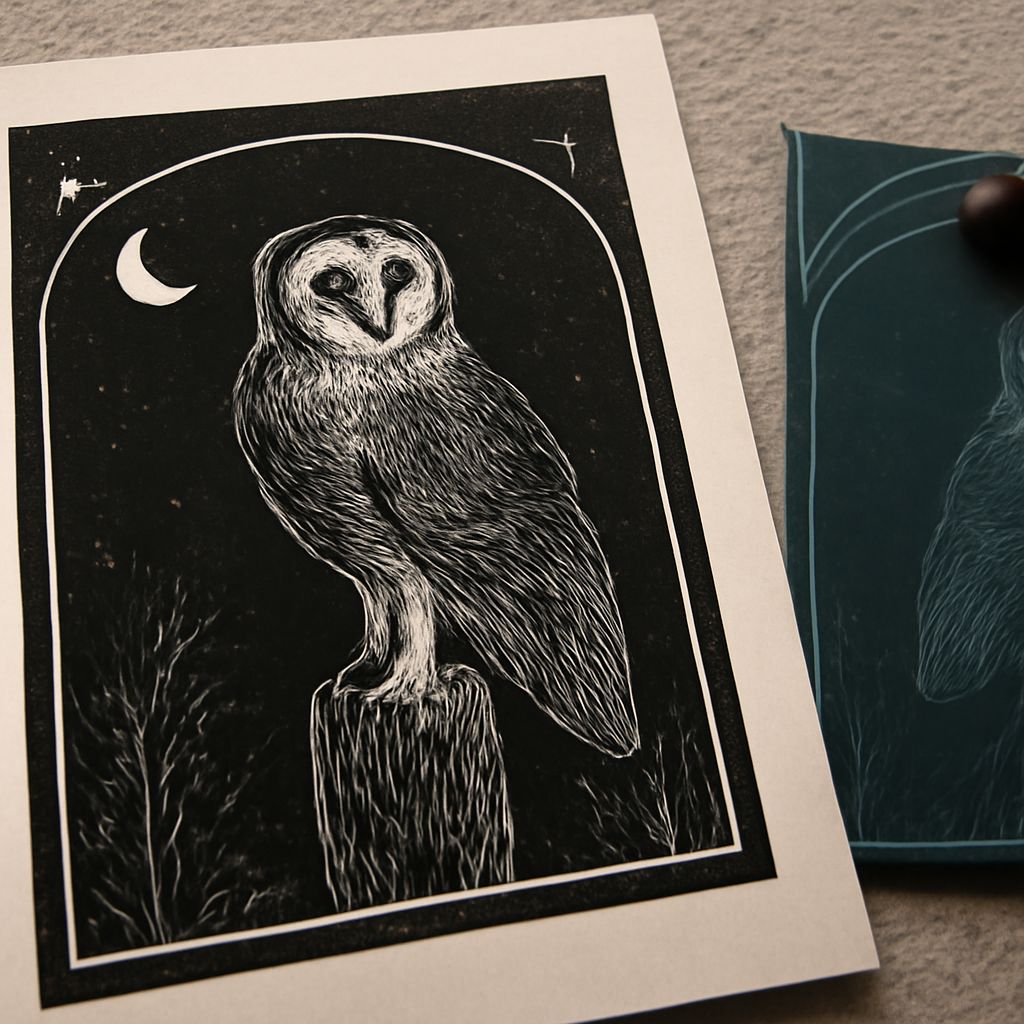
The influence of Renaissance sketches is evident in modern sketchbooks, where artists often incorporate historical techniques into their practice. You can experiment by integrating methods such as hatching, cross-hatching, and chiaroscuro to add depth and dimension to your sketches. These techniques not only enhance the visual appeal of your work but also connect you to a rich artistic tradition.
Conclusion: The Legacy of Renaissance and Modern Sketching
Reflecting on the journey from Renaissance sketches to modern practices, you find a continuous thread of innovation and expression. The techniques and principles developed during the Renaissance continue to inform and inspire artists today. Whether through flamenco sketches capturing the essence of movement or storyboard sketches shaping cinematic narratives, the art of sketching remains a vital and dynamic form of creativity. As you engage with these practices, you become part of a legacy that celebrates both the past and the future of artistic exploration.