Have you ever found yourself struggling to draw realistic hand sketches? You’re not alone. Mastering the art of hand drawing poses can feel like an uphill battle, yet it’s an essential skill for any aspiring artist. In this guide, we will help you navigate the intricacies of sketches of hands. You’ll learn essential techniques and tips for capturing the complexity and elegance of this challenging subject. By the end, you’ll have the confidence to approach any hand drawing with skill and precision.
Whether you’re starting with stick figures or refining your artistic prowess, understanding the nuances of hand sketches is vital. This comprehensive guide will equip you with the knowledge to create lifelike depictions, tackle common pitfalls, and explore advanced styles. So, grab your pencils, and let’s delve into the fascinating world of drawing hands.
Understanding the Basics of Hand Sketches
Why Hand Sketches Are Important
Hand sketches are a fundamental part of artistic expression. They not only enhance your ability to portray human anatomy but also improve your overall drawing skills. By mastering hand drawing poses, you can create more dynamic and expressive figures, adding depth to your artwork.
When you focus on sketches of hands, you train your eye to observe subtle details and proportions, enhancing your attention to detail. This becomes a crucial skill across various artistic disciplines, as hands often convey emotion and action in your drawings.
Materials Needed for Drawing a Hand
To start your journey into hand sketches, gather the necessary materials. A high-quality sketchbook and a range of pencils—from H to B—are essential. You might also want to consider kneaded erasers for subtle corrections and blending stumps for smooth shading.
These tools will help you practice different hand poses and refine your techniques. Investing in good materials ensures that your hand drawings have the best possible finish, allowing you to focus solely on improving your skills.
Step-by-Step Hand Drawing Guide
Starting with Simple Shapes
The key to successful hand sketches lies in breaking down the hand into simple shapes. Begin with basic geometric forms such as circles and rectangles to represent joints and bones. By understanding the underlying structure, you’ll find it easier to capture hand drawing poses accurately.
This technique allows you to map out the proportions and angles before adding detail, ensuring your sketches of hands are well-balanced and realistic.
Adding Details to Your Hand Sketch
Once you have the foundation, gradually add details to your hand sketch. Focus on features like knuckles, tendons, and fingernails. Pay attention to how light and shadow play across the contours of the hand to give your drawing depth.
Practicing different hand poses while incorporating these details will enhance your ability to depict hands in various contexts, making your sketches more dynamic.
Refining Your Sketches of Hands
Refinement is an ongoing process in hand sketches. Use blending techniques to smooth transitions between light and shadow, creating a more cohesive image. As you refine, continually assess proportions and adjust areas that might appear off.
Through this iterative process, your sketches of hands will become more polished and accurate, allowing for greater expression and realism in your work.
Techniques for Drawing Hand Poses
Capturing Movement and Angles
One of the most challenging aspects of hand sketches is capturing the movement and angles. Start by observing your own hand in various positions. Notice how fingers curve, extend, and how the hand aligns with the wrist.
Experiment with different hand drawing poses to understand how angles and movement affect the overall composition. This practice will enhance your ability to illustrate hands in motion, bringing your artwork to life.
Practicing Different Hand Poses
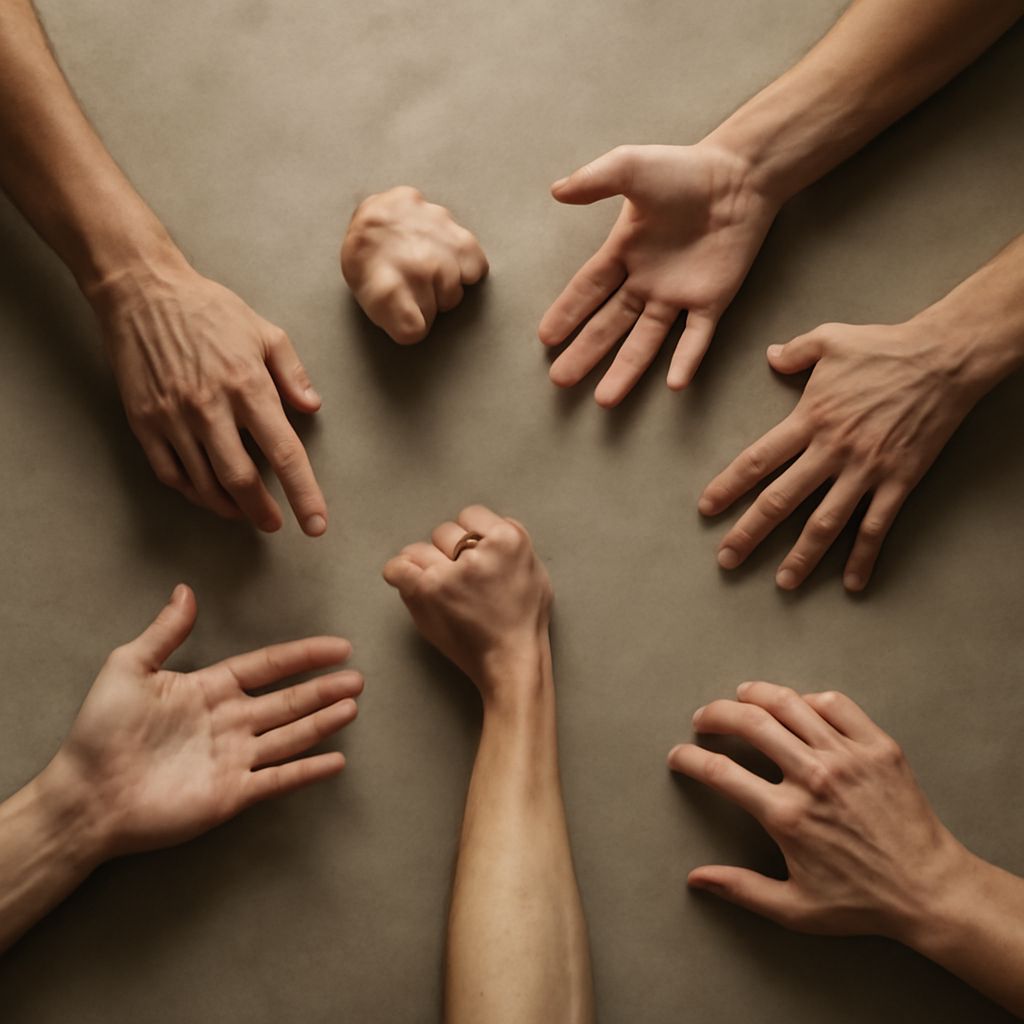
Consistent practice is crucial to mastering hand drawing poses. Set aside time to sketch hands in diverse positions—open, closed, holding objects—to build confidence in your ability to capture any pose.
By practicing different hand poses, you’ll develop a comprehensive understanding of anatomy and movement, making your hand sketches versatile and expressive.
Common Mistakes in Hand Sketches and How to Avoid Them
Misjudging Proportions
Misjudging proportions is a common pitfall in hand sketches. To avoid this, always compare the size of fingers to the palm and other parts of the hand. Use reference lines if needed to ensure accuracy.
Accurate proportions are key to realistic sketches of hands and will significantly improve the overall quality of your drawings.
Overcomplicating Details
Another frequent mistake is overcomplicating details, which can make your hand sketches appear cluttered. Focus on simplicity by emphasizing key features and using shading to suggest, rather than detail, every element.
This approach helps maintain clarity and prevents your sketches from becoming overwhelmed with unnecessary information.
Advanced Tips for Mastering Hand Sketches
Exploring Different Styles
Once you are comfortable with basic hand sketches, explore different artistic styles. Experiment with abstraction, realism, or caricature to find what suits your artistic voice. Each style offers unique opportunities to express emotion and movement.
By diversifying your approach, you can incorporate hand drawing poses into various artworks, extending the versatility of your skills.
Incorporating Hand Sketches into Larger Artworks
Finally, consider how sketches of hands can enhance larger compositions. Use your detailed hand drawings to add focus or narrative to your pieces, whether in portraits, figure drawings, or abstract art.
Incorporating hand sketches into your broader artistic projects allows for a more cohesive and compelling visual story, demonstrating your mastery of this complex subject.