Have you ever wondered how to make a font from scratch? In a world where visual identity is paramount, the ability to create your own font can offer a remarkable advantage. Custom typography not only enhances your creative expression but also sets you apart in professional fields. Whether you’re a designer, a branding expert, or simply a typography enthusiast, exploring the realm of font creation can be both rewarding and exciting. With this comprehensive guide, you’ll learn the ins and outs of font design, discover free tools, and learn how to make a font that resonates with your unique style.
Creating your own font may seem daunting at first, but with the right guidance, it becomes an exhilarating journey. From understanding typography basics to sketching your font ideas, the process is both structured and flexible, allowing for endless possibilities. It’s time to unleash your creativity and delve into the art of custom typography. Ready to embark on this artistic adventure?
Why Make Your Own Font?
Benefits of Custom Fonts
Creating your own font offers numerous benefits beyond mere aesthetics. Custom fonts provide a unique identity that is crucial for branding. By choosing to create your own font, you ensure that your visual communication is distinct and memorable. This personal touch can strengthen your brand’s identity, making it easier for audiences to connect with your message.
Additionally, custom typography can enhance user experience by improving readability and conveying emotions more effectively. Whether you’re designing for digital platforms or print, a well-crafted custom font can make your content more engaging. The versatility of a personalized font allows it to adapt to various contexts while maintaining consistency in style.
Inspiration for Font Design
Finding inspiration is an essential part of the font creation process. You might draw ideas from nature, architecture, or even historical typefaces. Observing the world around you can spark creativity and lead to innovative designs. Whether you’re inspired by the fluidity of a river or the structured lines of a skyscraper, these elements can influence your font sketches.
Inspiration can also come from cultural or personal experiences. Reflect on what resonates with you and how it can be translated into typography. Your font should reflect your personality and vision, so embrace your unique perspective to create something truly original.
Getting Started with Font Creation
Tools Needed to Create Your Own Font
To make your own font, you’ll need the right tools. Start with a reliable computer and a drawing tablet if possible, as they offer precision and ease during the design phase. Software options range from professional to free, such as Adobe Illustrator for initial sketches or FontForge to make your own font free of charge.
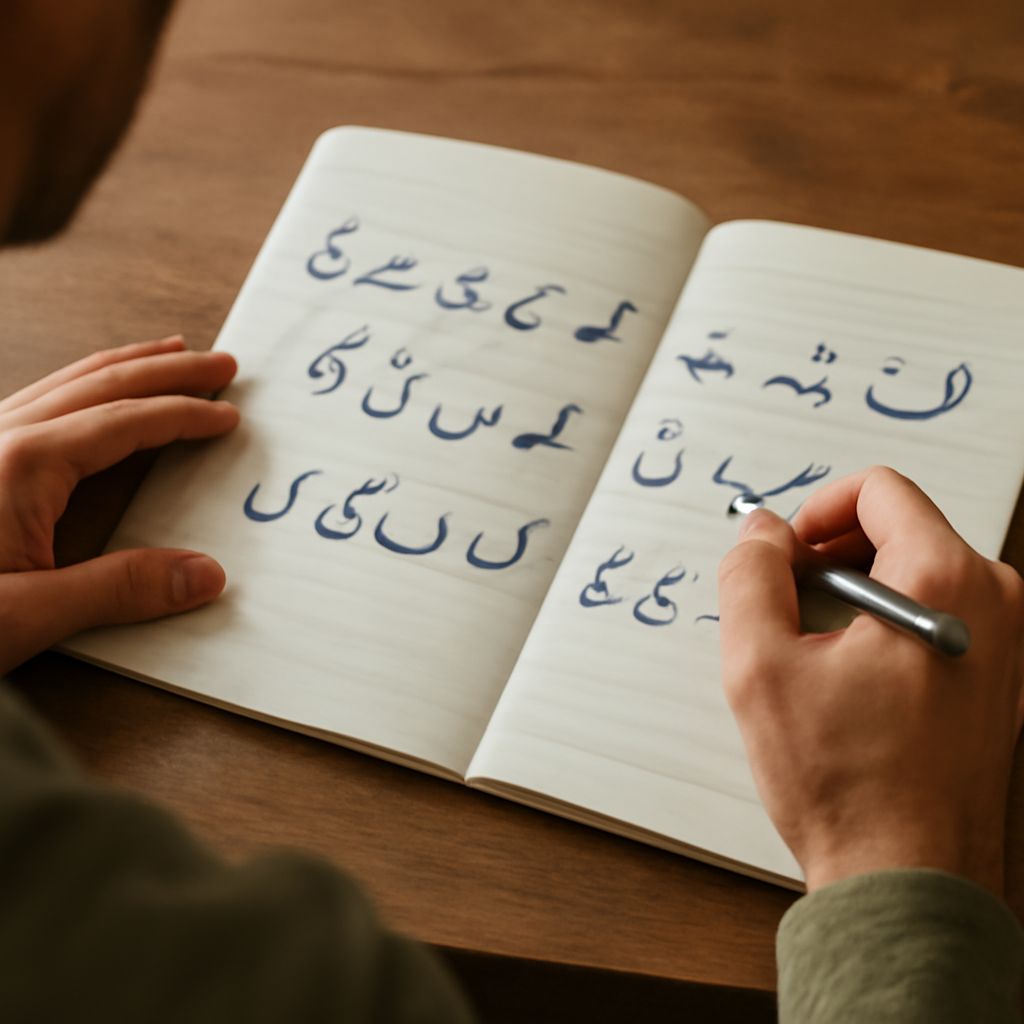
Besides digital tools, a sketchbook and pencils are invaluable for brainstorming and refining your font ideas. A scanner can help digitize your sketches, making it easier to transfer them into design software. Remember, the choice of tools should align with your comfort and skill level.
Understanding Typography Basics
Before diving into font design, familiarize yourself with typography basics. Understanding elements like kerning, leading, and x-height is crucial. Typography is more than just letters; it’s about spatial harmony and the subtle nuances that make each character unique.
Take time to study existing fonts, noting their structure and flow. This foundational knowledge will enhance your ability to create your own font effectively. Keep in mind that typography is an art form that requires both technical skills and creative intuition.
Sketching Your Font Ideas
The sketching phase is where your creative vision begins to take shape. Start with rough outlines of each character, experimenting with styles and weights. This is a chance to explore different concepts, so don’t be afraid to experiment.
Consider how each letter interacts with others, maintaining consistency in style and proportions. As you refine your sketches, focus on key characteristics such as stroke contrast and terminal shapes. A well-thought-out foundation will make the digitalization process smoother.
How to Make a Font: Step-by-Step
Digitizing Your Font Sketches
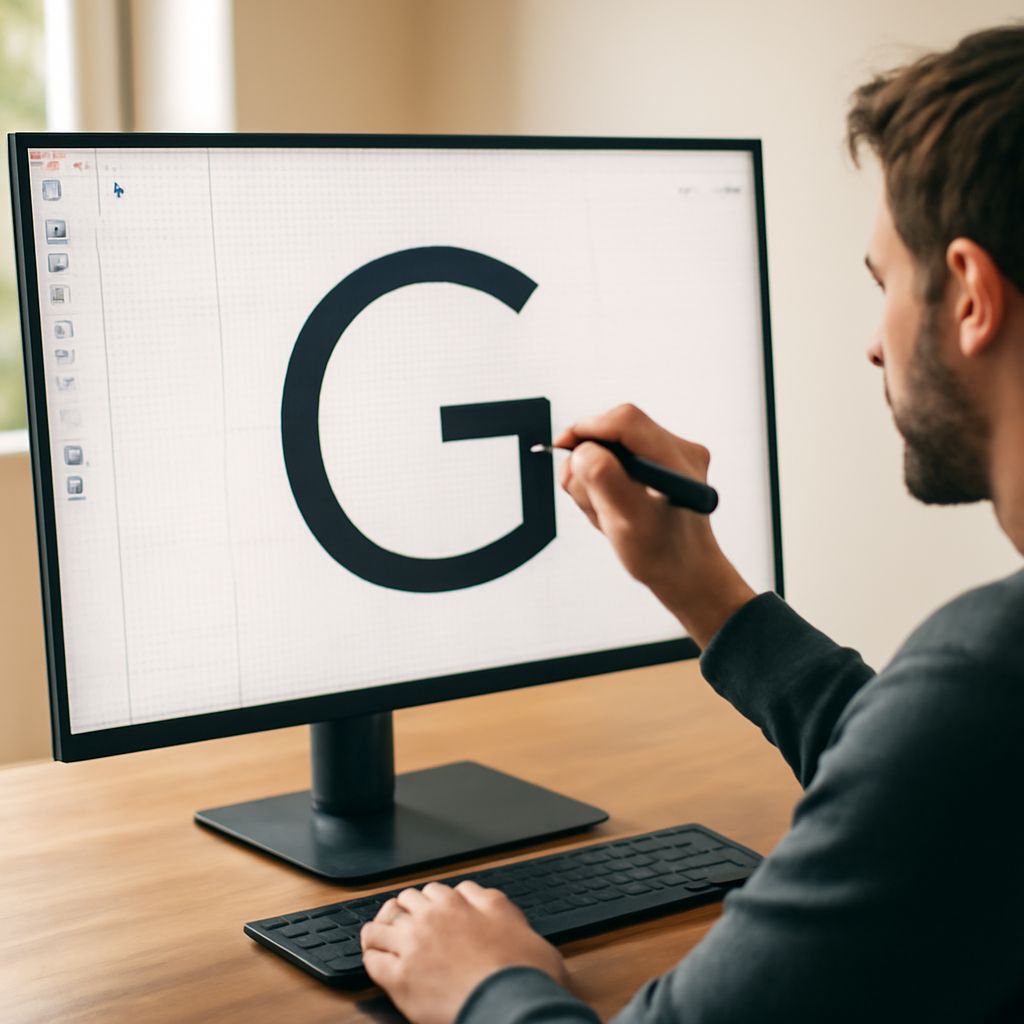
Once your sketches are finalized, the next step is digitizing them. Use a scanner to upload your designs to your computer, then import them into a vector-based software like Adobe Illustrator. This allows you to clean up your sketches, adjusting lines and curves for precision.
Vectorization is crucial for maintaining quality at various sizes. Adjust anchor points and handles to perfect each character’s form. This process can be meticulous, but it’s essential for creating a polished final product.
Using Software to Make Your Own Font Free
With your vectorized designs ready, it’s time to use software to bring your font to life. Programs like FontForge allow you to make your own font for free, offering tools to map each character to its respective keystroke.
Begin by importing your vector files into the software and arranging them within the font editor. Pay attention to spacing and alignment, as these will impact readability. Once all characters are in place, generate a font file to test its usability.
Refining and Testing Your Font
After generating your font file, it’s crucial to refine and test your design. Print samples to evaluate how the font appears on paper, or use digital previews for screen-based projects. Adjust kerning, leading, and spacing to ensure readability and aesthetic appeal.
Testing in various contexts will reveal areas for improvement. Remember, font design is an iterative process, so be open to making adjustments until you’re satisfied with the outcome.
Tips for Successful Font Design
Common Mistakes to Avoid
Avoiding common pitfalls is key to successful font design. Overcomplicating designs can lead to readability issues, while neglecting consistency can disrupt the overall coherence of your font.
Ensure that your font maintains a balance between uniqueness and functionality. Every character should be distinct yet harmonious with the rest, contributing to a coherent visual narrative.
Enhancing Font Readability
Readability is paramount in font design. Consider your font’s intended use and adjust elements like contrast and spacing accordingly. A font designed for digital screens may require different considerations than one for print.
Testing your font in various sizes and contexts will help identify readability challenges. Fine-tune these aspects to ensure your font performs well across different media.
Sharing and Using Your Custom Font
Exporting and Installing Your Font
Once you’re satisfied with your design, export your font file in the appropriate formats, such as TTF or OTF. These formats ensure compatibility across different systems and applications.
Installation is straightforward; simply add the font file to your system’s font library. This allows you to use your custom typography across various software and projects, expanding its reach and impact.
Showcasing Your Font Online
Showcasing your font online is an excellent way to share your creation with the world. Platforms like Behance or personal websites allow you to demonstrate your font’s versatility and aesthetic appeal.
Present your font in different contexts, such as branding mockups or digital designs, to highlight its potential uses. Engaging with the design community can also provide valuable feedback and opportunities for collaboration.