Watercolor Portraits: A Guide to Mastering the Art
Have you ever gazed at a watercolor painting and wondered how artists capture such captivating expressions and vibrant hues with just pigments and water? Watercolor portrait techniques are a unique way to bring life to faces on paper, blending softness and intensity in a single stroke. If you’ve ever aspired to create stunning watercolor pieces, you’re in the right place. This guide will unravel the secrets of how portrait watercolor artists craft their masterpieces, offering you tips and techniques to explore this fluid and expressive medium.
Whether you’re a novice looking to dip your brush into the world of watercolor or an experienced artist seeking to refine your skills, understanding the intricacies of watercolor faces can open new avenues of creativity. From mastering the delicate balance of light and shadow to choosing the right materials, watercolor portraiture offers endless opportunities to express the human visage in a fresh and compelling way.
Understanding Watercolor Portraits
History and Evolution
Watercolor portraiture has a rich history, evolving through centuries as artists explored different ways to capture the essence of their subjects. Initially, watercolor was used for preliminary sketches, but it quickly gained popularity as a medium in its own right. Its transparency and versatility make it ideal for portraying the subtleties of human emotion.
Why Choose Watercolor for Portraits
Many artists prefer watercolor for portraits because of its unique ability to convey depth and emotion with minimal strokes. The fluid nature of watercolor allows artists to blend colors seamlessly, creating vibrant and lifelike portraits that capture the soul of the subject. This art form challenges artists to harness its unpredictability while celebrating its spontaneity.
Techniques for Watercolor Portraits
Choosing the Right Materials
Selecting the correct materials is crucial when embarking on your watercolor journey. High-quality brushes, pigments, and paper are essential for achieving the desired effects in your artworks. Experiment with different materials to understand how each interacts with water, influencing your watercolor portrait techniques.
Mastering Watercolor Faces
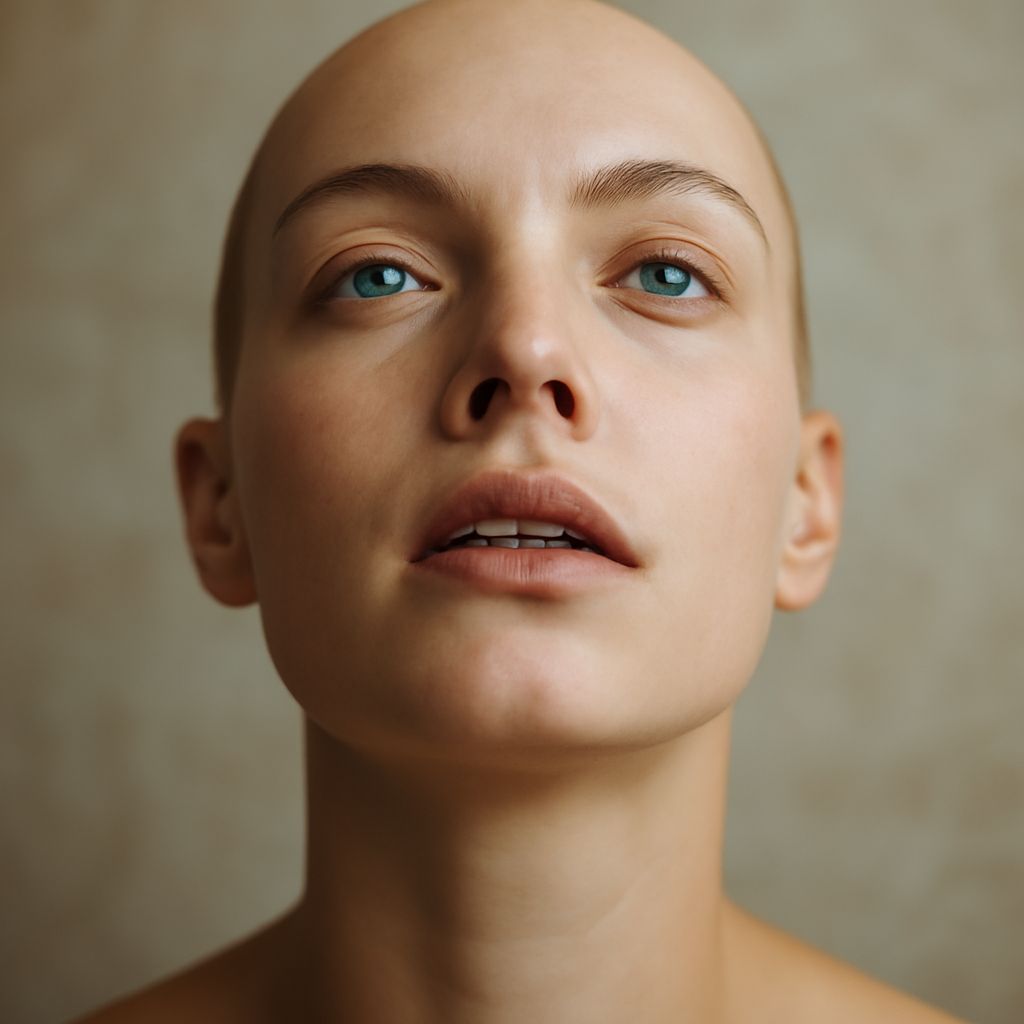
To paint watercolor faces effectively, start by studying facial anatomy and expressions. Practice sketching different features, focusing on the eyes, nose, and mouth, as these are pivotal in conveying emotion. Use varying brush sizes to add detail and texture, bringing your subjects to life.
Layering and Blending Techniques
Building layers enhances the depth of your portraits. Begin with light washes and gradually add darker tones to create contrast. Blending colors while they’re still wet can yield soft transitions, while allowing layers to dry before adding new ones results in more defined edges.
Using Light and Shadow
Mastering light and shadow is vital in portrait watercolor techniques. Observe how light interacts with the face and use washes to depict highlights and shadows. This contrast will give your portraits a three-dimensional feel, adding drama and realism to your work.
Tips from Watercolor Portrait Artists
Common Mistakes to Avoid
One common mistake is overworking the paper, which can lead to muddiness. Avoid this by planning your composition and being deliberate with your strokes. Also, be mindful of the amount of water you use, as too much can dilute your colors and reduce vibrancy.
Inspiration from Renowned Artists
Study the works of established portrait watercolor artists to learn from their techniques and styles. Analyzing their approach to composition, color, and texture can provide fresh insights and inspire your creative process.
Creating Your Own Portrait Watercolor
Step-by-Step Guide
Begin by selecting a reference photo with strong lighting and clear features. Sketch the basic outline, then start with light washes to establish the base tones. Gradually build layers, using darker hues to add depth and detail. Let each layer dry before adding the next, ensuring clarity in your portrait.
Finishing Touches and Presentation
Once your painting is complete, add subtle details to enhance realism. Consider how you will mount and frame your piece to best display its qualities. A well-presented work can enhance its appeal and impact.
Showcase and Share Your Work
Building a Portfolio
As you create more pieces, compile them into a portfolio showcasing your range and style. A strong portfolio is invaluable for seeking opportunities and attracting the attention of galleries and collectors.
Engaging with Art Communities
Join art communities online and offline to share your work and gain feedback. Engaging with other artists allows you to learn new portrait watercolor techniques and stay inspired. Participate in exhibitions and workshops to expand your network and visibility.
Key takeaways: Watercolor portraiture is an expressive and challenging art form that offers endless creative possibilities. By mastering essential techniques and drawing inspiration from skilled artists, you can create compelling portraits that capture the essence of your subjects. Dive into this fluid medium and explore the rich tapestry of human emotion through watercolor.