Fraktur Calligraphy: A Journey into Traditional Techniques
Are you curious about the intricate beauty of calligraphy and the techniques that have been cherished for centuries? As an art form that combines precision, creativity, and tradition, calligraphy continues to captivate enthusiasts worldwide. From the elegance of calligraphy quill techniques to the rich cultural tapestry of hindi calligraphy, the journey into calligraphy is both fascinating and rewarding. Whether you are drawn to the historical allure of fraktur calligraphy or the challenge of mastering the calligraphy capital F, there’s a world of knowledge waiting to enhance your typography skills.
This article will guide you through the traditional techniques that define calligraphy, offering insights into the styles and tools that can elevate your practice. Delve into the history, explore diverse styles, and learn how to integrate calligraphy into modern design. Let’s embark on this artistic journey together.
Understanding Fraktur Calligraphy
History and Origins of Fraktur
Fraktur calligraphy, rooted in the early 16th century, emerged in Germany. It was primarily used for printing texts in the German language and became synonymous with traditional European typography. The distinctive angular strokes and elaborate decorations of fraktur were designed to enhance readability while conveying a sense of gravitas and authority.
Characteristics of Fraktur Style
The fraktur style is characterized by its bold, blackletter appearance with sharp angles and densely packed letters. Unlike other calligraphic styles, fraktur focuses on creating intricate patterns through repetitive strokes, making it a unique art form. The complexity of fraktur capital letters, such as the calligraphy capital F, showcases the skill and precision required in this style.
Famous Works in Fraktur Calligraphy
Some of the most renowned works in fraktur calligraphy include ancient manuscripts, religious texts, and early printings of German literature. These works not only highlight the aesthetic appeal of fraktur but also emphasize its cultural and historical significance. Many modern calligraphers draw inspiration from these traditional pieces, incorporating fraktur elements into contemporary designs.
The Art of Using a Calligraphy Quill
Choosing the Right Quill for Calligraphy
Selecting the ideal quill is crucial for mastering calligraphy quill techniques. Quills come in various sizes and materials, each offering different levels of flexibility and ink flow. For beginners, a medium-sized quill with a moderate tip flexibility is recommended to balance control and fluidity.
Techniques for Quill Mastery
Mastering the art of using a calligraphy quill involves understanding pressure and angle variations. Practice is essential to achieve the smooth, flowing strokes characteristic of professional calligraphy. Experiment with different pressures to create varying line thicknesses, enhancing your typography skills.
Maintaining Your Calligraphy Quill
Proper maintenance of your calligraphy quill ensures longevity and consistent performance. Regular cleaning prevents ink build-up, and storing your quill properly avoids damage to the delicate tip. An investment in quality quill care will pay dividends in your calligraphy journey.
Exploring Hindi Calligraphy
Cultural Significance of Hindi Calligraphy
Hindi calligraphy holds a profound cultural significance in India and beyond. It is not only a form of artistic expression but also a means of preserving linguistic heritage. The fluid, cursive nature of Hindi scripts adds a layer of beauty and complexity to the art form.
Distinctive Features of Hindi Scripts
The elegance of Hindi scripts lies in their curvilinear forms and rhythmic patterns. The unique combination of horizontal lines and rounded characters poses a delightful challenge to calligraphers. Mastery of these scripts enriches your calligraphic repertoire, offering a blend of tradition and innovation.
Modern Applications of Hindi Calligraphy
Today, hindi calligraphy finds its place in digital media, advertisements, and graphic design. Its adaptability to modern platforms highlights its versatility and timeless appeal. Incorporating Hindi scripts into your designs can provide cultural depth and artistic flair, resonating with diverse audiences.
Traditional Calligraphy Techniques
Essential Tools for Traditional Calligraphy
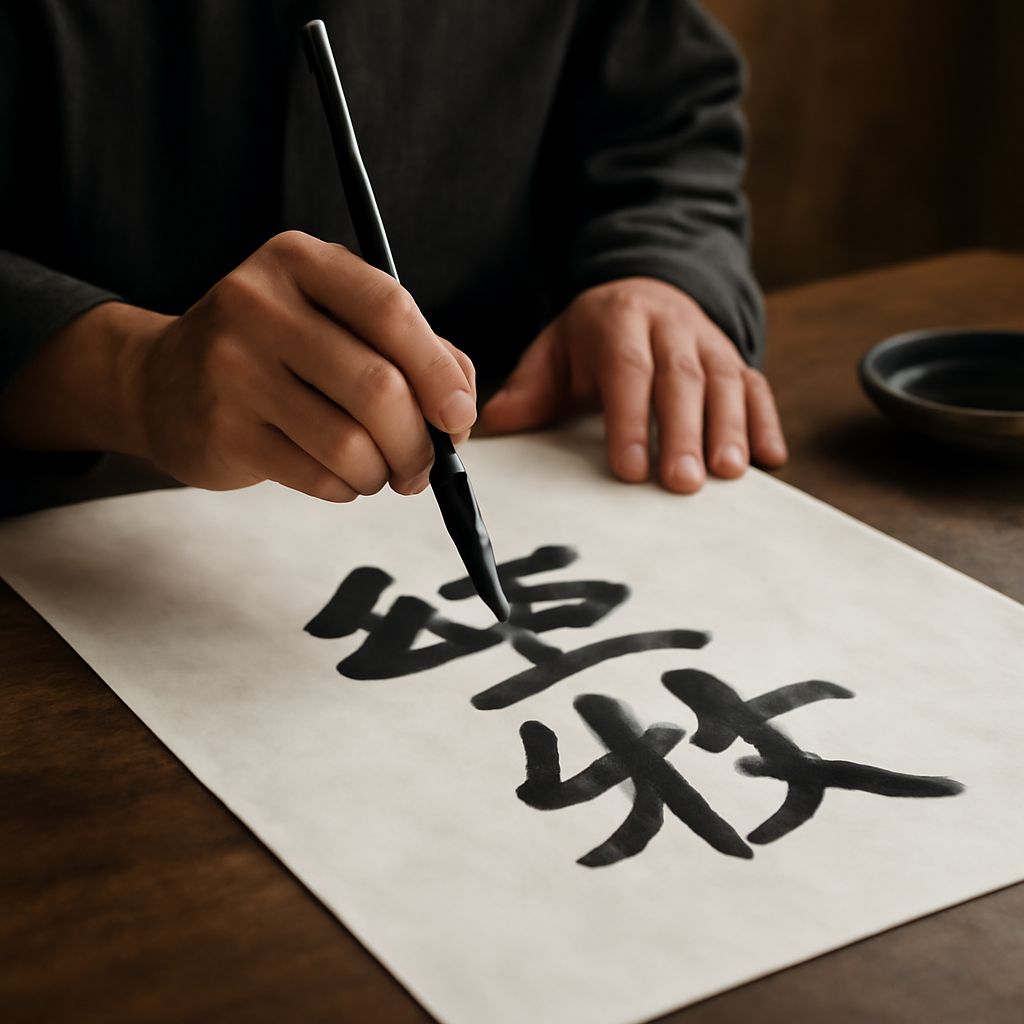
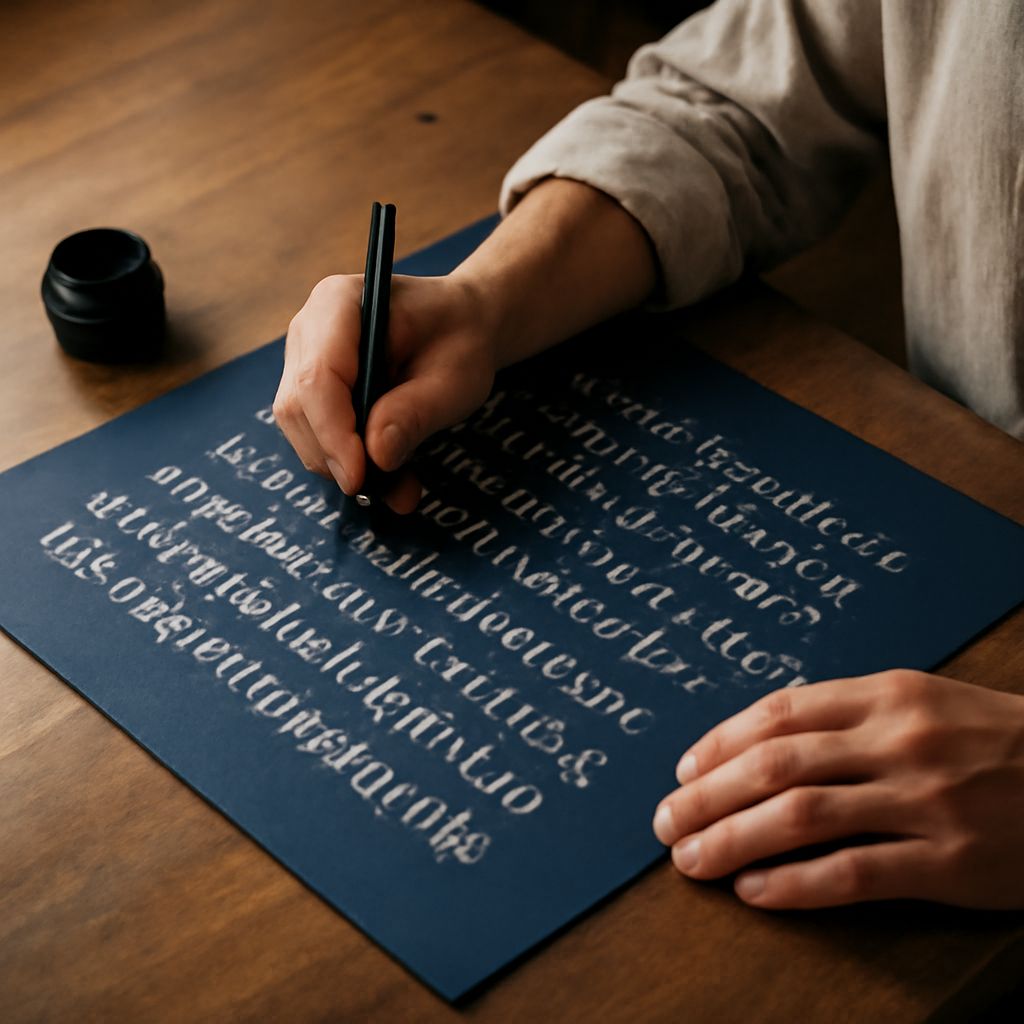
Traditional calligraphy requires a set of essential tools, including a quality quill, ink, and parchment. Each component plays a vital role in achieving precision and artistic expression. Investing in high-quality materials is crucial for producing work that reflects the elegance and depth of traditional styles.
Step-by-Step Guide to Traditional Styles
Begin your exploration of traditional styles by mastering foundational strokes. Focus on consistency and control, gradually progressing to more complex letterforms. Pay special attention to challenging letters like the calligraphy capital F, which require a balance of strength and grace.
Incorporating Calligraphy into Modern Design
Integrating calligraphy into modern design involves blending traditional elements with contemporary aesthetics. Experiment with combining calligraphy with digital typography, allowing the nuances of each style to complement one another. This fusion can create visually striking and culturally resonant designs.
Creating the Perfect Calligraphy Capital F
Understanding the Form
The calligraphy capital F is a testament to the artistry of calligraphy. It involves precise curves and angles, demanding attention to detail. Practice the form with patience, focusing on the balance between the horizontal and vertical elements to achieve perfection.
Common Mistakes and How to Avoid Them
Common pitfalls in crafting the calligraphy capital F include uneven line thickness and disproportionate spacing. To avoid these mistakes, maintain consistent pressure and practice regularly. Studying examples from experienced calligraphers can provide valuable insights into mastering this challenging letter.
Showcasing Your Work
Once you have honed your skills, showcasing your calligraphy can be incredibly rewarding. Create personalized projects or collaborate with other artists to display your work. Sharing your calligraphy journey with others not only celebrates your progress but also inspires fellow enthusiasts.
Pro tips recap: To excel in calligraphy, invest time in learning and practicing traditional techniques. Choose the right tools, master quill handling, and explore diverse styles like fraktur and hindi calligraphy. Pay attention to challenging forms, such as the calligraphy capital F, and integrate calligraphy into modern design for a unique artistic expression.