Eyelid Anatomy: A Comprehensive Guide
Have you ever wondered why understanding the anatomy of the eyelid is crucial in both medical practice and everyday life? The eyelid serves as a protective curtain for your eyes, a complex structure that goes beyond mere skin and muscle. From the complete anatomy of the eyelid to the distinct roles of its upper and lower parts, exploring the details of upper eyelid anatomy and lower eyelid anatomy reveals the subtle yet vital differences that play a significant role in eye health.
In this guide, we will delve into lower eyelid anatomy and explore upper eyelid anatomy, helping you appreciate the intricate design of this essential part of your body. Whether you’re a medical professional or just someone curious about how your body works, this article will provide you with a clear understanding of eyelid structure and its importance.
Introduction to Eyelid Anatomy
Overview of the Eyelid Structure
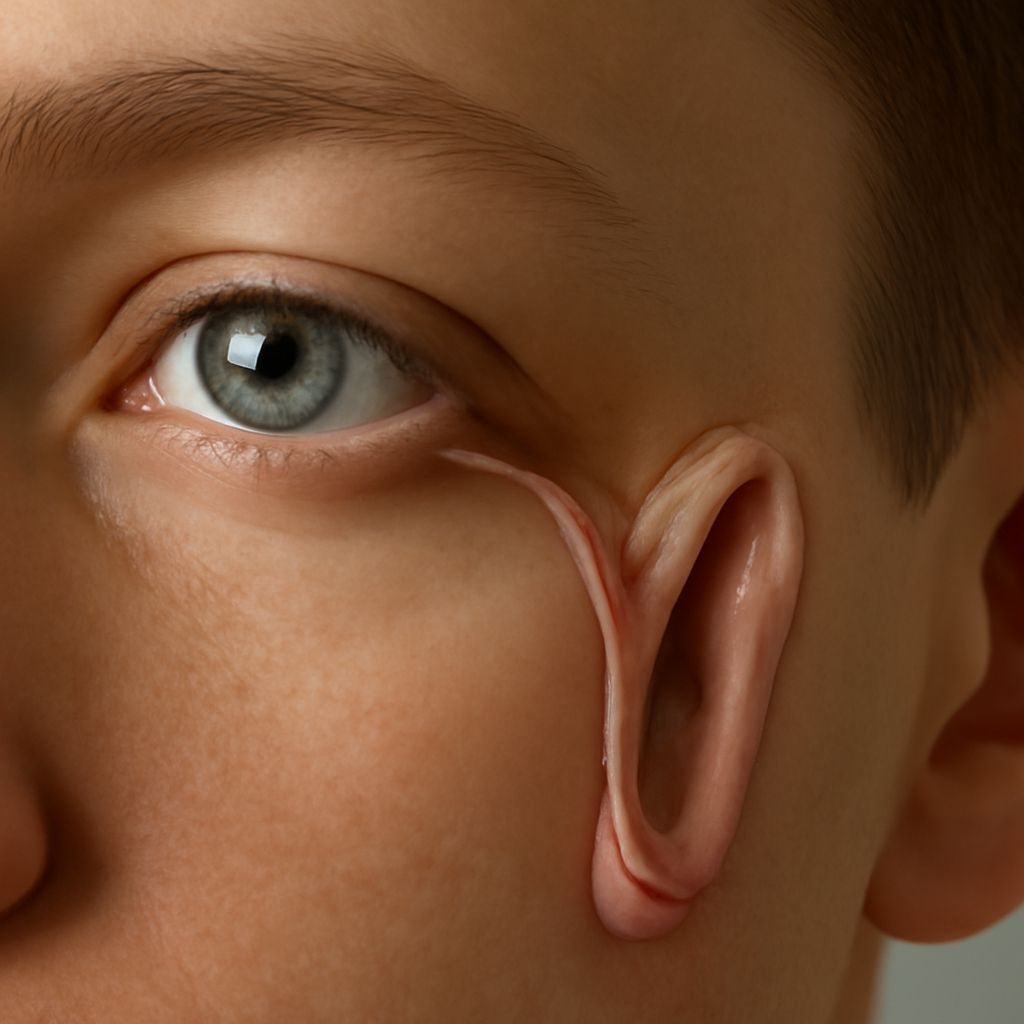
The eyelid is not merely a flap of skin. It consists of multiple layers, including skin, muscle, connective tissue, and glands. This complex anatomy allows the eyelid to perform its critical functions. When exploring the complete anatomy of the eyelid, you will find that each layer has a specific purpose, from providing structural integrity to facilitating eyelid movement.
Importance of Eyelid Anatomy in Medicine
Understanding eyelid anatomy is essential in medical fields such as ophthalmology and plastic surgery. Accurate knowledge of eyelid structure aids in diagnosing and treating various conditions, from common issues like styes to complex reconstructive surgeries. The anatomy of the eyelid is also pivotal in developing treatments that ensure the safety and health of the eyes.
Upper Eyelid Anatomy Explained
Key Structures of the Upper Eyelid
The upper eyelid anatomy involves several key components. The tarsal plate provides rigidity, while the levator muscle controls eyelid movement. Meibomian glands in the upper lid are crucial for secreting oils that prevent tear evaporation. Examining these elements offers a comprehensive understanding of upper eyelid anatomy.
Functions of the Upper Eyelid
The primary function of the upper eyelid is protection. It acts as a barrier against foreign objects and environmental elements. Additionally, the upper eyelid plays a role in regulating light entry into the eye, further underlining the significance of understanding upper eyelid anatomy.
Delving into Lower Eyelid Anatomy
Unique Features of the Lower Eyelid
The lower eyelid anatomy includes the presence of additional support structures like the orbicularis oculi muscle, which aids in eyelid closure. Unlike the upper lid, the lower eyelid anatomy is more prominent in maintaining eyelash alignment and tear drainage.
Role of the Lower Eyelid in Eye Protection
The lower eyelid’s role extends beyond mere coverage; it assists in spreading tears across the eye surface, ensuring adequate lubrication. This function of the lower eyelid anatomy is vital in preventing dryness and potential damage to the corneal surface.
Comparing Upper and Lower Eyelid Anatomy
Similarities and Differences
Both upper and lower eyelid anatomy share common features such as skin layers and muscle presence. However, differences exist in terms of structure and function. The upper eyelid is more involved in dynamic movements, while the lower eyelid assists with tear drainage. Understanding these distinctions is key to appreciating the complete anatomy of the eyelid.
Clinical Significance
The differences in upper and lower eyelid anatomy have clinical implications. For example, conditions like ptosis primarily affect the upper lid due to muscle-related issues, whereas ectropion often impacts the lower lid. These anatomical insights are crucial for targeted treatments and surgical interventions.
Conclusion: The Anatomy of the Eyelid
Summary of Key Points
The anatomy of the eyelid involves a complex interplay of structures designed to protect and support the eye. From the intricate upper eyelid anatomy that assists in movement to the unique features of lower eyelid anatomy that ensure proper lubrication, each component plays a critical role in overall eye health.
Future Directions in Eyelid Research
Research into eyelid anatomy continues to evolve, promising advancements in both medical understanding and treatment options. As we learn more about the complete anatomy of the eyelid, new techniques and therapies may emerge, enhancing eye care and surgical outcomes.
Key takeaways: The eyelid is a complex structure essential for eye protection and function. Understanding both upper eyelid anatomy and lower eyelid anatomy is crucial for medical professionals and anyone interested in eye health. Ongoing research holds potential for further advancements in this field.