Watercolor Backgrounds: Creating Stunning Art with Watercolor Techniques
Have you ever wondered how to elevate your artwork using watercolor backgrounds? Whether you are an experienced artist or a beginner seeking new techniques, the art of creating roses watercolor backgrounds offers a beautiful and unique style to explore. The intricacies of backgrounds watercolor styles can bring depth and emotion to your art, allowing you to express your creativity with vivid and captivating imagery. Dive into the world of watercolor wood effects and discover how these techniques can transform your paintings into stunning masterpieces.
With endless possibilities to explore, watercolor backgrounds can add an ethereal quality to your work. From mastering different watercolor techniques to integrating complementary elements, you will find that each style adds its own charm and character. As you embark on this artistic journey, you will learn to harness the power of color and texture to enhance your creations. Let’s explore the art of watercolor and uncover how these techniques can elevate your artistic repertoire.
Understanding Watercolor Backgrounds
What are Watercolor Backgrounds?
Watercolor backgrounds are a foundational element in many artworks. They serve as the canvas upon which you build your artistic vision, providing context and atmosphere to the focal points of your piece. By using different watercolor techniques, you can create a range of effects, from soft and subtle washes to bold and dynamic textures.
The beauty of watercolor backgrounds lies in their versatility. Whether you’re aiming for a minimalist design or a complex scenery, the choice of how you apply paint and manipulate water can dramatically change the mood and impact of your artwork.
Popular Styles and Techniques
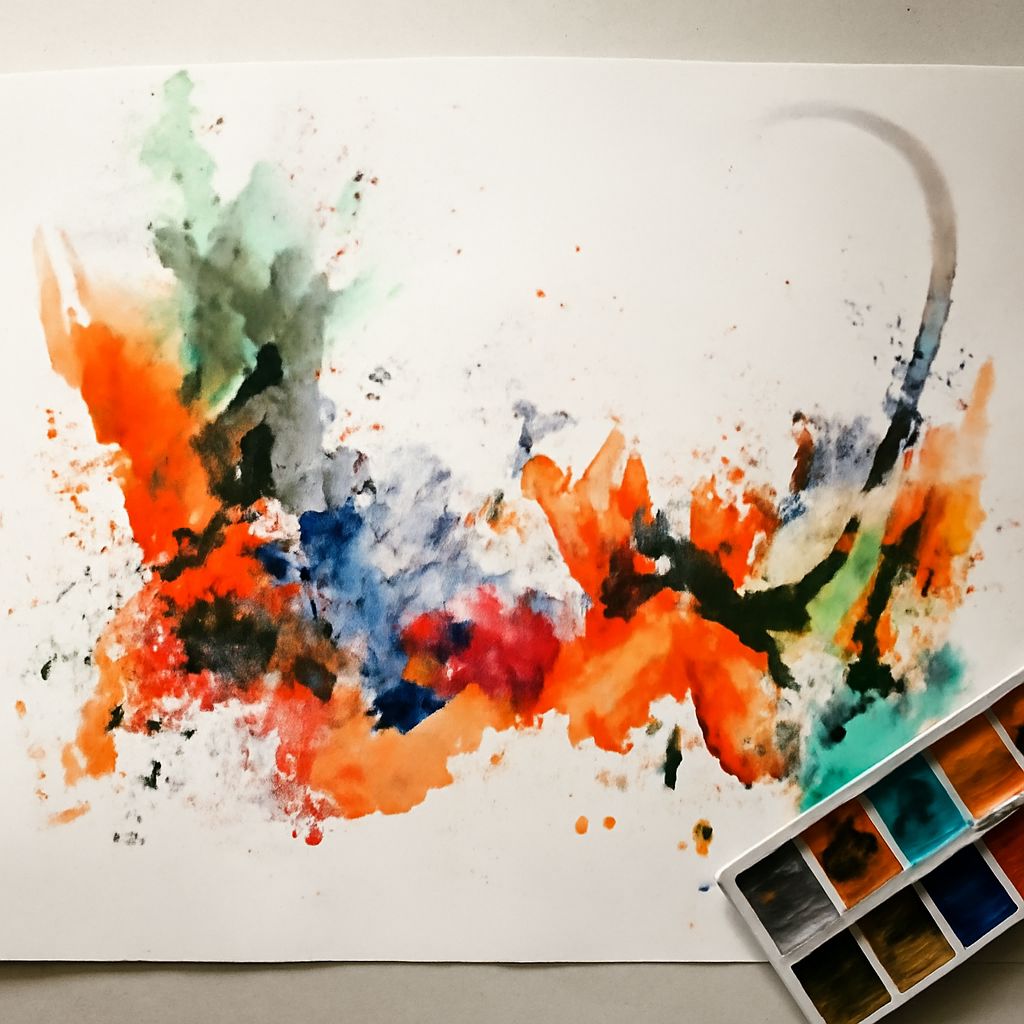
Popular styles of watercolor backgrounds include soft gradients, abstract washes, and intricate roses watercolor designs. Techniques such as wet-on-wet and wet-on-dry allow you to achieve distinct looks, from smooth transitions to crisp details.
Experimentation is key to developing your style. By exploring various techniques, you can find what resonates with your creative sensibilities, enabling you to produce pieces that reflect your unique artistic voice.
Creating Roses Watercolor Backgrounds
Step-by-Step Guide to Painting Roses
To create roses watercolor backgrounds, start by selecting a palette that reflects the mood you wish to convey. Begin with a light sketch of rose shapes, keeping your lines soft to ensure they blend seamlessly with the watercolor.
Apply water to your paper before adding color, allowing the paint to flow naturally. Build up the layers gradually, starting with light washes and moving to more saturated hues to add depth and dimension to the roses.
Enhancing Your Art with Roses
Roses can add elegance and sophistication to your backgrounds watercolor compositions. By varying the size and orientation of the roses, you can create a dynamic and harmonious composition that draws the viewer’s eye.
Consider using complementary colors to enhance the vibrancy of your roses. The interplay of warm and cool tones can create a captivating contrast, adding interest and depth to your artwork.
Exploring Background Watercolor Styles
Techniques for Layering and Texture
Layering is a crucial technique in backgrounds watercolor art. By carefully layering colors, you can achieve a sense of depth and richness. Begin with lighter layers and build up to darker tones, allowing each layer to dry before adding the next.
Creating texture is another way to add interest to your watercolor backgrounds. Using tools such as sponges, brushes, or even household items, you can introduce unique patterns and textures that enhance the overall composition.
Incorporating Different Colors
Color plays a vital role in watercolor backgrounds. Experiment with a variety of hues to see how they interact on the page. By incorporating unexpected color combinations, you can create a piece that is both surprising and visually engaging.
When choosing colors, consider the emotional response you wish to evoke. Soft pastels might convey tranquility, while bold, vibrant colors could suggest energy and vitality. The key is to balance your palette to complement the subject matter of your piece.
Innovative Watercolor Wood Effects
Achieving a Wood Grain Look
Watercolor wood effects can add a rustic and organic feel to your compositions. To achieve a wood grain look, use a dry brush technique to create fine, linear strokes that mimic the texture of wood.
Layering different shades of brown and beige can enhance the realism of the wood effect. Blending these layers subtly will give the appearance of natural wood grain, adding a unique element to your artwork.
Mixing Wood and Floral Elements
Combining watercolor wood effects with floral elements can create a striking contrast in your art. The rigidity of the wood complements the soft, flowing forms of the flowers, resulting in a balanced and cohesive design.
When mixing these elements, consider the composition carefully. Use the wood effect as a backdrop to highlight the delicacy of the roses, creating a harmonious blend of textures and themes.
Tips for Mastering Backgrounds Watercolor
Essential Tools and Materials
Having the right tools and materials is essential for mastering watercolor backgrounds. Invest in quality brushes, paper, and paints to achieve the best results. Each tool serves a specific purpose, from broad washes to fine details.
Experiment with different types of paper, as the texture and absorbency can significantly impact the final appearance of your artwork. Cold-pressed paper offers a textured surface, while hot-pressed paper provides a smooth finish.
Common Mistakes and How to Avoid Them
One common mistake artists make when working with watercolor is overworking the paper. To avoid this, be mindful of the amount of water and pressure you apply. Allow each layer to dry completely before proceeding to the next.
Another frequent issue is not planning the composition adequately. Take the time to sketch your ideas and consider the balance of elements before beginning with paint. This can prevent unintended results and help you achieve the desired effect.
In your journey to master watercolor backgrounds, remember that practice and patience are key. Embrace the fluid nature of watercolor, and let it guide you to create unique and breathtaking works of art.