Moth Illustration: From Natural History to Digital and Advertising Art
What draws illustrators back to the moth again and again? Its symmetry is almost mathematical — mirror wings patterned with eyespots, swirling lines, and dusty textural detail that rewards close study. Moth illustration sits at an unusual crossroads: at home in rigorous natural history plates and equally powerful in gothic editorial spreads or advertising illustration campaigns that need imagery with depth and intrigue. This guide covers the craft behind effective moth illustration, the principles of advertising illustration that make commercial work succeed, the historical and artistic context of erotic illustrations, and the powerful visual language of key illustration — an underused metaphor in contemporary editorial art.
Whether you work in pencil, ink, digital, or mixed media, understanding how these illustration categories function gives you a broader vocabulary to draw from when you need your image to do more than simply depict.
The Appeal and History of Moth Illustration
Natural History Tradition
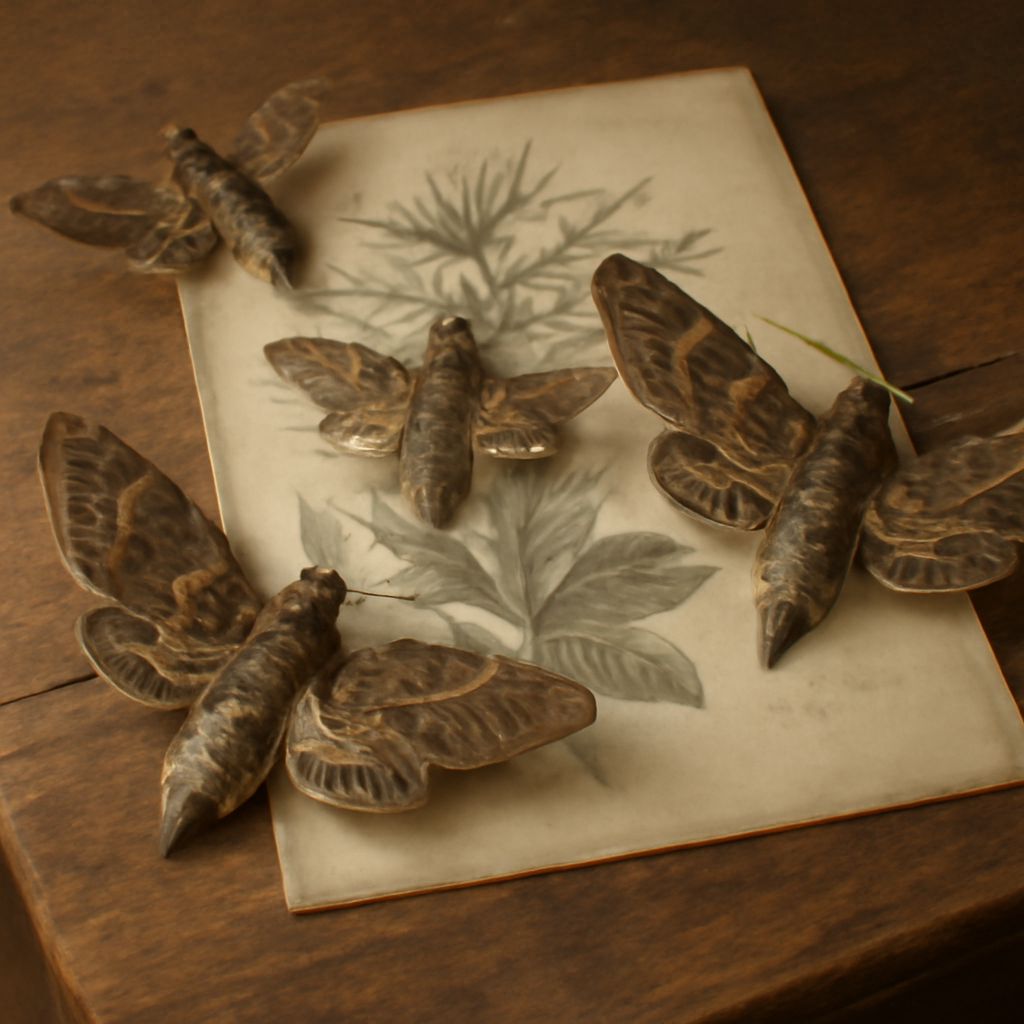
Moth illustration has roots in 17th-century natural history publishing, where scientific illustrators rendered insects with obsessive precision to serve taxonomic classification. The goal was documentary accuracy — each scale pattern, antenna joint, and body segment captured with enough fidelity that a naturalist could identify the species from the plate alone. This tradition produced some of the most beautiful scientific artwork ever made, and contemporary illustrators regularly mine it for compositional and rendering techniques.
Gothic and Symbolic Uses
Outside natural history, moth illustration carries rich symbolic weight. Moths navigate by moonlight and are drawn to artificial flames — a behavior that maps easily onto themes of obsession, transformation, and the attraction to dangerous beauty. Literary and editorial illustrators exploit this symbolism extensively, placing moths in melancholy night scenes or using their form as a stand-in for fragile, impermanent things.
Modern Botanical Illustration Revivals
A strong contemporary movement blends traditional botanical illustration precision with modern digital rendering tools. Moth illustration in this vein appears on premium packaging, textile prints, and fine art prints. Artists use digital brushes that mimic pencil crosshatching and watercolor washes to achieve the warmth of traditional media at the speed and editability of digital workflow.
Advertising Illustration: Principles and Practice
Composition for Commercial Work
Advertising illustration must communicate its core message in under three seconds — the average time a viewer gives an advertisement before moving on. This means your primary subject needs strong silhouette contrast against the background, a clear visual hierarchy, and minimal competing elements. A moth illustration used in an advertising context might appear in sharp detail against soft negative space, its wing patterns providing visual richness without crowding the text placement zone.
Strong advertising illustration also considers the ad’s placement — a full-page magazine spread gives you room for complexity, while a web banner forces extreme simplification. Design your core image to work in both contexts by establishing a clear focal point that reads at thumbnail scale.
Typography Integration
Advertising illustration must coexist with headline and body copy. Build negative space into your composition intentionally — top-left or top-right corners in landscape formats, lower thirds in vertical formats. Discuss text zones with your art director before finalizing the illustration so you’re designing for the complete layout, not an isolated image that will be awkwardly cropped around type.
Working with Art Directors
Successful advertising illustration comes from clear brief interpretation and responsive revision cycles. Deliver two to three concept sketches before committing to final rendering. Show different compositional approaches — close crop, mid-distance, dynamic angle — and let the art director choose. This saves revision time and ensures the final piece meets the campaign’s strategic needs rather than purely your aesthetic preferences.
Erotic Illustrations in Art and Editorial History
Historical Context and Artistic Merit
Erotic illustrations have appeared in art across every culture and era — from Japanese shunga woodblock prints to European Art Nouveau posters to mid-century American paperback cover art. These erotic illustrations document changing attitudes toward the body, desire, and representation, and many are recognized as significant artistic achievements independent of their erotic content. Understanding this history contextualizes contemporary work and separates craft-driven sensual imagery from purely commercial production.
Tasteful vs. Explicit: Drawing the Line
Most commercial publishing and editorial contexts accept sensual but non-explicit erotic illustrations — images that imply rather than depict. The line varies by platform, publication, and audience. Fine art and literary publishing generally allows greater latitude than mainstream commercial illustration. Know your platform’s content guidelines before creating work in this category; misalignment between artwork and context creates problems for both artist and publisher.
Modern Approaches to Sensual Illustration
Contemporary erotic illustration often emphasizes mood, composition, and emotional resonance over explicit content. Soft lighting, ambiguous cropping, and expressive linework create images that communicate intimacy and desire through suggestion rather than depiction. Many illustrators working in this space cite the body positivity movement as an influence, creating work that celebrates diverse forms and identities rather than adhering to narrow conventional beauty standards.
Key Illustration: Unlocking Metaphor in Visual Art
The Key as Symbol
Key illustration leverages one of the oldest and most universally legible symbols in visual culture. Keys mean access, secrets, solutions, and authority. An ornate antique key reads as mystery and tradition; a modern digital key icon signals security and technology. The form is immediately recognizable in silhouette, which makes it effective in advertising illustration contexts where quick reading matters.
Building Narrative with Key Imagery
The strongest key illustration work uses the key in relationship to something else — a lock, a door, a heart, a book — to create a micro-narrative within a single image. This relational composition tells a story at a glance. A key hovering before a closed door implies possibility and anticipation. A broken key suggests lost opportunity or betrayal. As a compositional device, key illustration rewards artists who think narratively rather than decoratively.
Technical Approaches Across Illustration Styles
Moth illustration, advertising illustration, and key illustration each benefit from a strong command of value — the range from dark to light that creates form and depth. Work in grayscale first to resolve your value structure before committing to color; this approach works for any illustration style and prevents the common mistake of relying on color to do work that only value contrast can accomplish. For digital artists, building layers of value on separate multiply-blended layers mirrors the traditional glazing technique, giving you full control to adjust the tonal structure at any stage.