Watercolor Wallpaper: Floral Designs, Digital Prints, and Paint Techniques
Why does watercolor wallpaper feel so timeless in a world of sharp digital graphics? The answer lies in its softness — those blooming washes of color that blur at the edges and let one hue melt into another without a hard border. Floral watercolor wallpaper brings this organic beauty into interior spaces and screens alike, combining botanical illustration with the fluid unpredictability of water-based paint. Whether you’re hunting for watercolor flower wallpaper for your phone lock screen or planning to paint your own watercolor wallpapers from scratch, the techniques and inspirations here will get you started. You’ll also find guidance on wallpaper watercolor finishes for physical walls.
Watercolor’s natural texture makes it especially suited to nature motifs — petals, leaves, and stems all share the organic, irregular quality of the medium. When translated into wallpaper format, that texture creates rooms and screens that feel alive and handmade rather than mass-produced.
Why Watercolor Wallpaper Captivates Designers
The Appeal of Soft, Organic Patterns
Watercolor wallpaper succeeds because it introduces visual breathing room. Hard-edged geometric wallpapers demand attention; watercolor patterns invite the eye to wander. The blooms and washes recede and advance depending on viewing distance, creating subtle depth that flat digital patterns can’t replicate. Interior designers use watercolor wallpaper in reading nooks, nurseries, and powder rooms — spaces where a calm, layered aesthetic heightens comfort.
Digital vs. Printed Watercolor Wallpaper
Digital watercolor wallpaper reproduces scanned or photographed original paintings at high resolution. The best printed versions use eight-color inkjet systems to capture the subtle secondary tones — the gray-violet where blue and pink overlap, the warm green where yellow washes over cyan. Vinyl-backed papers hold these tones faithfully for years, while paste-the-wall options simplify installation without sacrificing detail.
Floral Watercolor Wallpaper Styles and Patterns
Loose Botanical Illustrations
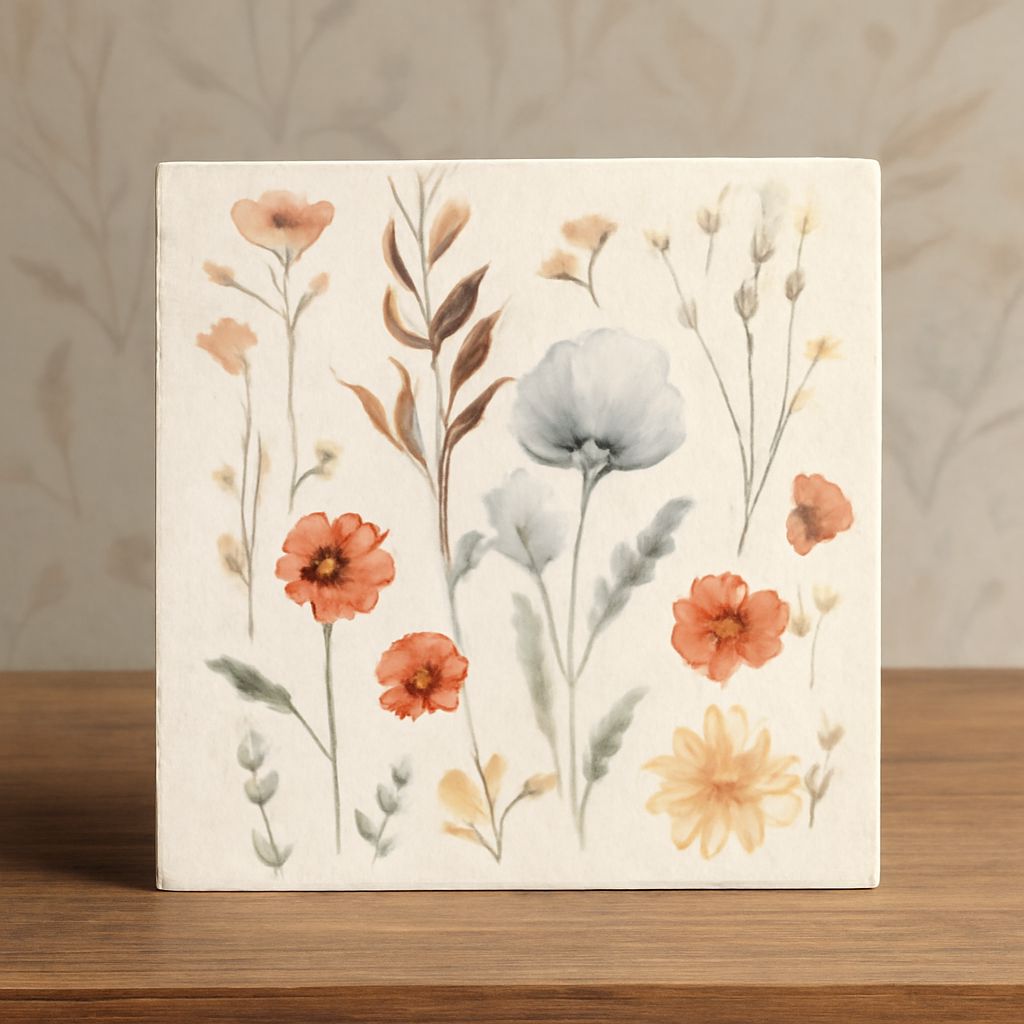
Floral watercolor wallpaper in a loose botanical style features single stems, scattered blossoms, and open white space. Peonies, anemones, and eucalyptus branches appear frequently because their layered petals and irregular leaf shapes suit painterly treatment well. The white of the paper shows through, keeping the palette light and the overall pattern airy.
Tight Repeat Patterns
Some floral watercolor wallpaper designs use a dense half-drop repeat where blooms lock together across the surface. This style fills every inch with color and works well in smaller rooms where you want the walls to feel rich and enveloping. Scale matters — large repeat patterns suit high ceilings while smaller repeat scales balance proportionally in compact spaces.
Ombre Wash Backgrounds with Florals
A popular trend layers delicate flower silhouettes over a gradient watercolor wash background. The wash might move from pale blush at the top to deep coral at the baseboard, with illustrated botanicals floating across the transition. This approach uses the full expressive range of watercolor while maintaining a cohesive, designed feeling.
Watercolor Flower Wallpaper for Screens and Devices
Desktop and Phone Sizing Tips
Watercolor flower wallpaper looks different at phone resolution (1170×2532 px for many devices) versus desktop resolution (2560×1440 px or 4K). Download artwork sized at least as large as your screen to avoid pixelation. Free resources like Unsplash and Pexels offer high-resolution watercolor flower wallpaper images credited to independent artists — a great way to discover original work.
Color Palette Selection for Digital Displays
OLED screens punch up saturation, making already-vivid watercolor wallpapers look oversaturated. Opt for muted, dusty palettes — sage green, dusty rose, antique gold — that remain pleasing without becoming garish on bright displays. Test your chosen wallpaper watercolor design in both light and dark ambient conditions before committing.
Creating Your Own Watercolor Wallpapers
Basic Supplies and Paper Choices
To paint watercolor wallpapers for digital use, you need 140 lb cold-press watercolor paper, a set of artist-grade paints, and at least three brush sizes. Cold-press texture scans beautifully because its slight grain catches light and shadow at a level a flatbed scanner can capture. Use sheets no smaller than 9×12 inches so you have enough detail to work with after cropping.
Wet-on-Wet Techniques for Flowing Washes
Wet-on-wet is the signature technique for the soft, blooming edges that define watercolor flower wallpaper aesthetics. Saturate your paper with clean water, then drop pigment into the wet surface. The color spreads and blooms outward, creating organic petal shapes that no brush stroke can replicate. Work quickly — the wet window closes as the paper dries, so have your colors mixed and ready before you start.
Digitizing Painted Artwork
Scan finished panels at 600 dpi for maximum flexibility. Open the file in a photo editor, adjust white balance to neutralize any yellow cast from incandescent scanning light, and boost clarity slightly to sharpen the paint texture. You can tile multiple scanned panels to create seamless watercolor wallpapers large enough for desktop or print use.
Caring for Physical Wallpaper Watercolor Finishes
Printed wallpaper watercolor finishes are vulnerable to moisture and direct sunlight. Protect them with a UV-filtering window film to prevent fading. For cleaning, use a barely-damp soft cloth and blot rather than scrub. Avoid steam cleaning, which can reactivate water-soluble inks in lower-quality prints. Safety recap: always check that your chosen wallpaper adhesive is rated for the wall substrate — porous plaster requires different prep than painted drywall — and ensure rooms are well-ventilated during installation.