How to Practice Drawing: From Beginner Exercises to Calligraphy Sheets
What separates artists who improve consistently from those who plateau? The difference usually comes down to deliberate practice rather than the amount of time spent drawing. Knowing how to practice drawing means choosing exercises that target specific weaknesses rather than repeating what you already do well. Practice drawings that challenge you just beyond your current comfort level produce the fastest skill gains over time.
This guide covers a range of practice methods, from foundational drawing exercises to copperplate calligraphy practice sheets, brush calligraphy practice sheets, and even practical tools like learning how to add fonts to paint for mixed-media work. Each of these areas builds a different component of hand-eye coordination, mark control, and visual literacy, and all of them contribute to a stronger overall drawing practice.
Building a Drawing Practice That Actually Works
Setting Goals for Each Session
Unfocused drawing time rarely produces growth. Before each session, decide what specific skill you are targeting. It might be line weight control, foreshortening, gesture, or a specific subject type. Practice drawings with a stated intention behind them produce more measurable improvement than open-ended sketching, even when open-ended sketching is also valuable for creative exploration.
The Importance of Consistency Over Duration
Learning how to practice drawing effectively means understanding that frequency matters more than session length. Thirty minutes three times a week produces better results than a single three-hour session each week. Shorter, more frequent practice builds procedural memory more effectively because the brain consolidates skills during rest periods between sessions.
Tracking Progress
Keep your practice drawings in a dated sketchbook rather than on loose sheets. The ability to compare work from one month to the next gives you concrete evidence of improvement, which sustains motivation during the slow middle periods of learning. What feels like no progress often looks like significant development when you examine work from six months earlier.
Core Drawing Exercises for Skill Building
Gesture Drawing
Gesture drawing trains you to capture the essential movement and energy of a pose or subject in one to five minutes. Use an online gesture drawing tool or a reference book. The goal is not accuracy but flow, which is why these practice drawings are timed. Loose, confident marks matter more than precise rendering at this stage. Gesture work directly improves your drawing of figures, animals, and dynamic scenes.
Form Drawing with Basic Shapes
Every complex form breaks down into simple geometric shapes: spheres, cylinders, boxes, and cones. Drawing these shapes from imagination and from observation in different orientations and lighting conditions builds the spatial reasoning that makes three-dimensional drawing possible. These might seem like beginner exercises, but professional illustrators return to them regularly when working through difficult foreshortening or perspective problems.
Contour Drawing
Pure contour drawing, where you draw only the edges of a subject without shading or interior marks, develops hand-eye coordination and teaches you to look more carefully than you draw. Slow contour practice drawings feel awkward at first because the pace forces you to observe rather than rely on visual memory. After several sessions, your observational accuracy improves noticeably.
Copperplate Calligraphy Practice Sheets
What Copperplate Calligraphy Requires
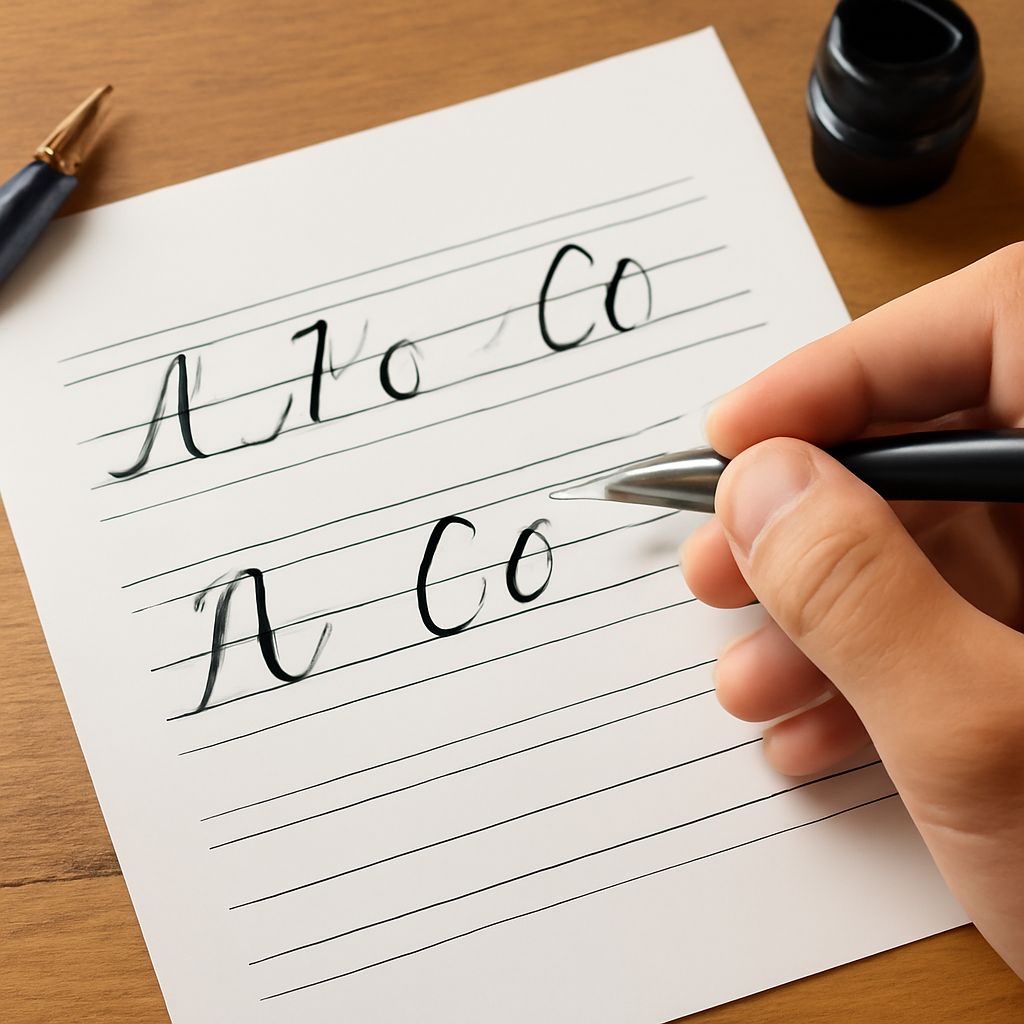
Copperplate calligraphy uses a pointed nib and flexible pen to create letters with dramatic thick-to-thin variation driven by pressure. The thick strokes appear on downstrokes, the thin strokes on upstrokes. Copperplate calligraphy practice sheets provide guidelines for letter height, slant angle (typically 52 to 55 degrees from horizontal), and x-height. Working within these guidelines consistently develops the muscle memory required for the consistent letterforms copperplate demands.
How to Use Practice Sheets Effectively
Print copperplate calligraphy practice sheets on smooth paper, as rough surfaces catch the nib and produce inconsistent ink flow. Work through individual strokes before attempting full letters. The eight basic strokes of copperplate cover every element you need for the complete alphabet. Once strokes feel controlled, move to individual letters, then to words, before attempting connected words and sentences.
Brush Calligraphy Practice Sheets
Differences from Copperplate
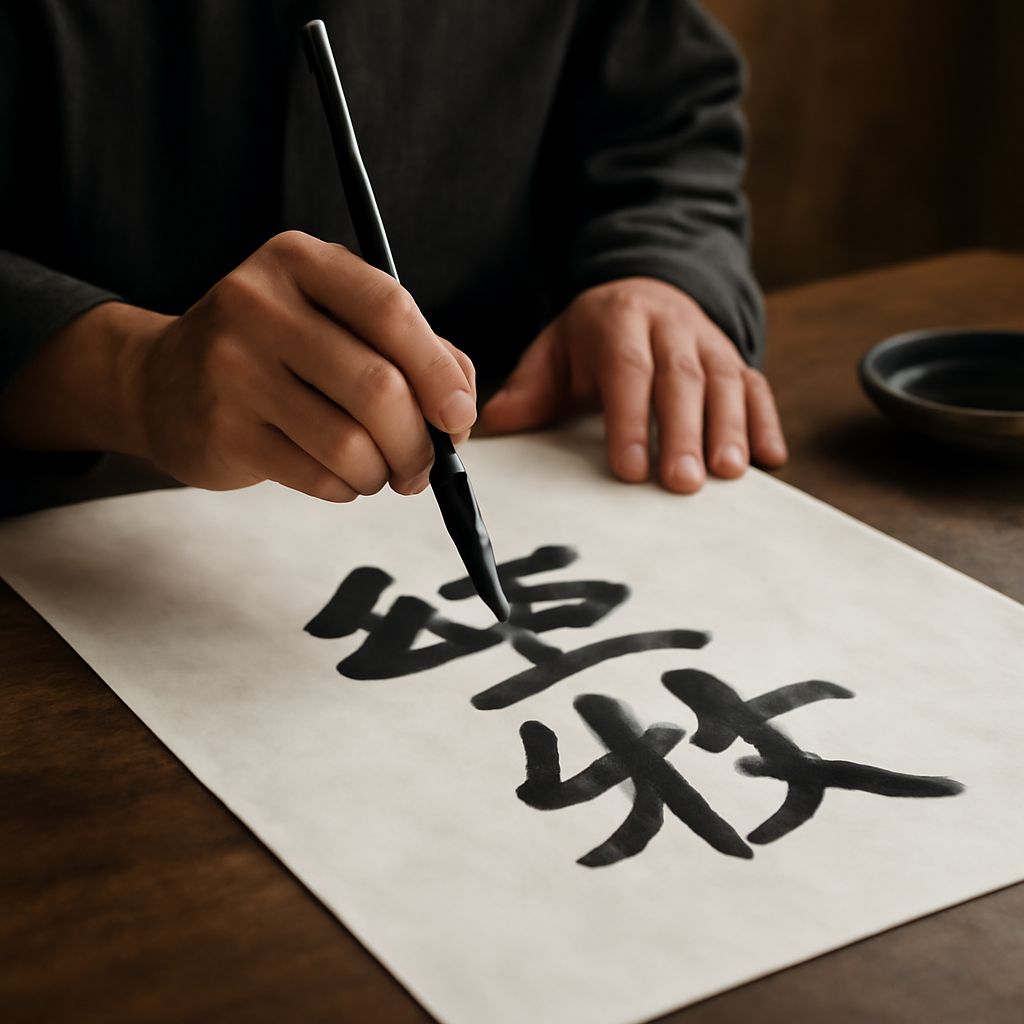
Brush calligraphy uses a brush pen or pointed brush rather than a metal nib. Brush calligraphy practice sheets provide similar guidelines for letter size and slant, but the tool produces a different quality of line. The brush taper is more gradual than a nib, and the thick-to-thin transition feels different in the hand. Many calligraphers practice both styles to develop flexibility in how they generate letterforms.
Recommended Practice Sequence
Start brush calligraphy practice sheets with basic upstrokes, downstrokes, and oval shapes before attempting letters. Work at a size comfortable for your brush; most beginners work too small, which makes controlling the thick-to-thin transition harder. Practice drawings for calligraphy should always include warm-up strokes before the main session to loosen the wrist and develop consistent pressure habits.
How to Add Fonts to Paint and Mixed-Media Applications
Using Fonts in Microsoft Paint
Knowing how to add fonts to paint applications like Microsoft Paint is useful for creating quick reference sheets, practice templates, and labeled diagrams to accompany your drawing practice. In Paint, you add text using the Text tool, then select a font from the font name field at the top. The font must be installed on your system. To use a custom font, install it through the Windows Font settings first, then restart Paint for it to appear in the font list.
Practical Uses for Text in Drawing Practice
Adding labels, annotations, and guidelines using typed text in a paint application is faster than hand-lettering and more consistent for template creation. Copperplate calligraphy practice sheets can be created digitally using a grid overlay and typed text, then printed for physical practice. This combination of digital layout and physical media suits artists who want precise practice documents without the time investment of producing them entirely by hand.