Drawing Flowers: From Garden Blooms to Clothing and Emotional Themes
What makes drawing flowers such a consistent subject in visual art? Flowers carry meaning and visual complexity simultaneously, which makes them rewarding at every skill level. A single drawing of a flower can range from a quick gestural study to a detailed botanical plate, and both have artistic validity. Beyond pure botanical subject matter, flower imagery extends into fashion illustration, where a drawing of a shirt with floral print requires understanding both the flowers and the fabric, and into more personal or expressive work, including drawing of depression and emotional states that artists have long used floral imagery to represent.
This breadth of application is what makes flowers such a practical subject for building drawing skills. Drawing flowers teaches you to observe complex, irregular organic forms, understand how overlapping shapes create depth, and manage the relationship between positive form and negative space. A drawing of pants with a floral pattern tests similar skills in a different context, requiring you to understand how a flat printed design wraps around a three-dimensional fabric surface.
Drawing Flowers: Botanical Approaches
Observational Drawing from Life
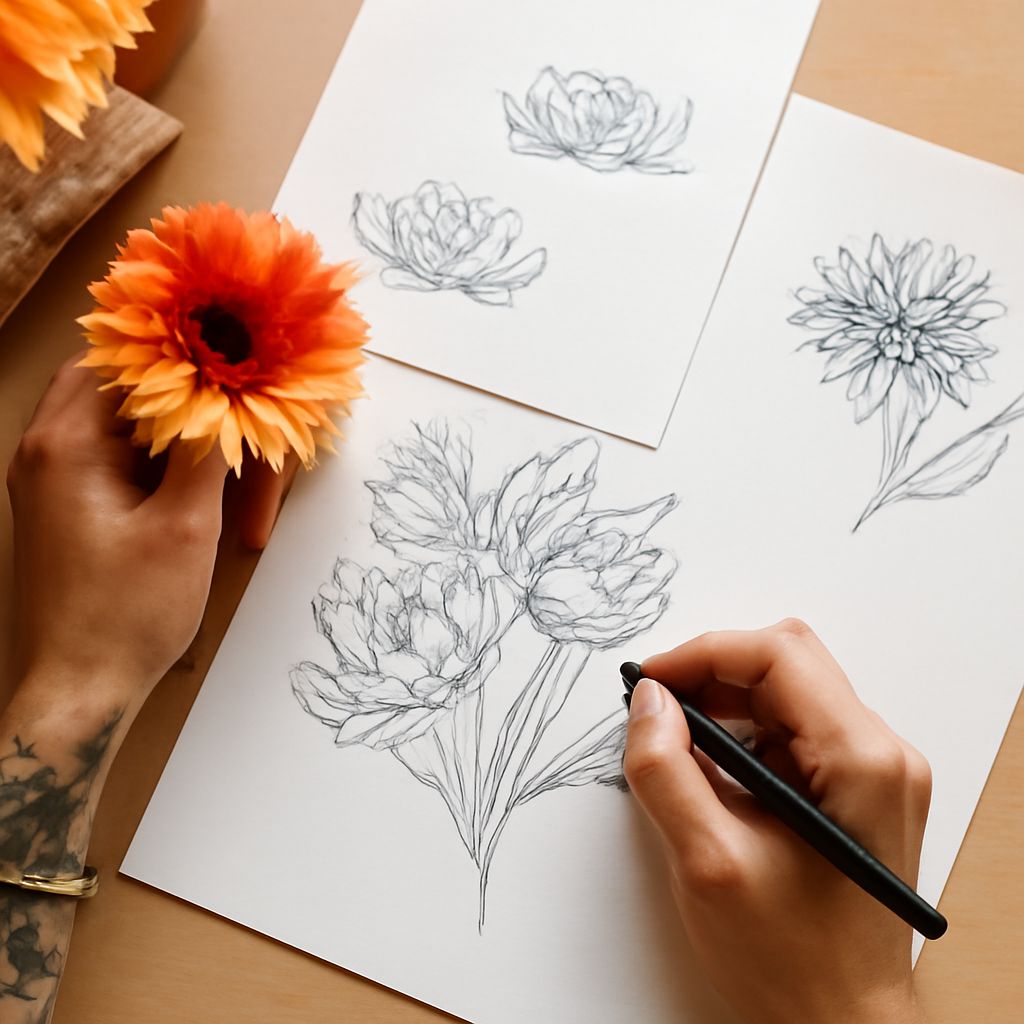
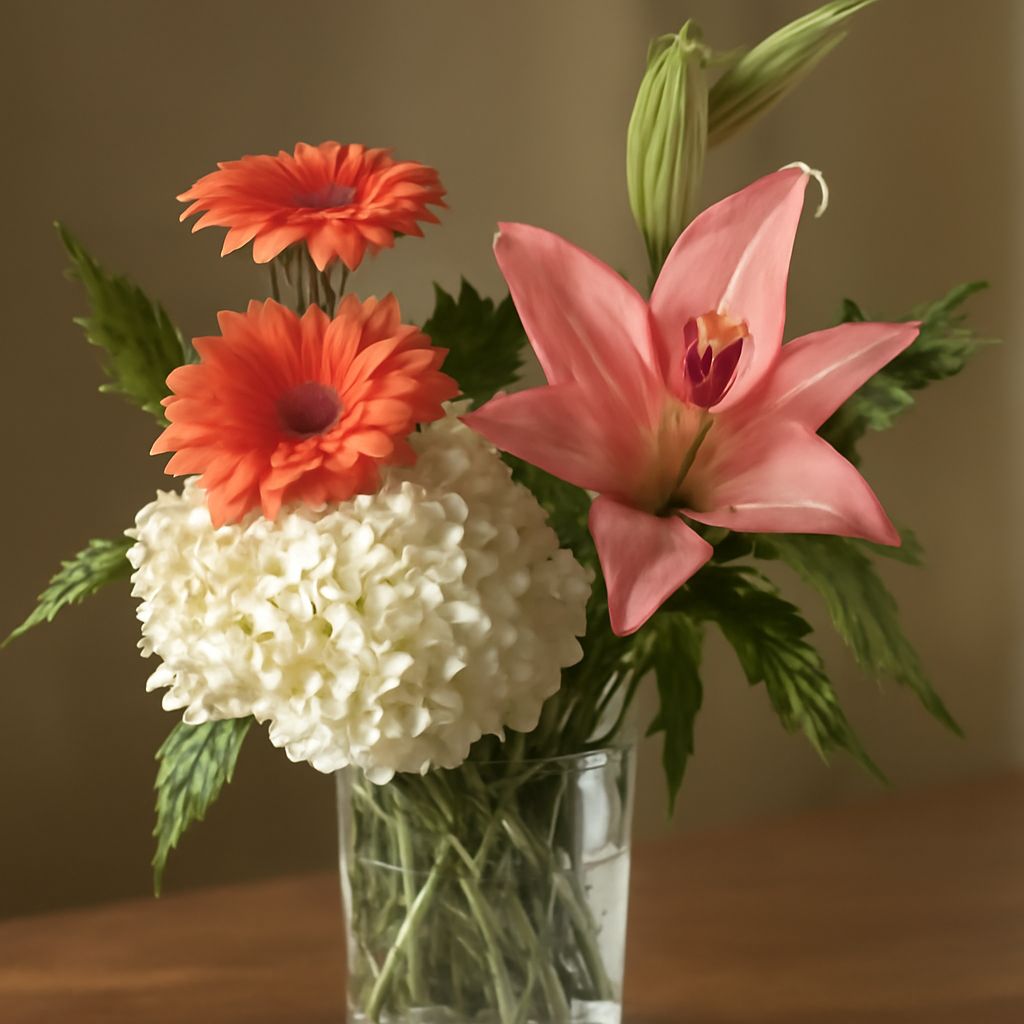
Drawing flowers directly from a real specimen produces better results than working from photographs for most learners. Real flowers have depth, subtle color variation, and a three-dimensional presence that flat photographs compress. When drawing flowers from life, set up your flower at eye level or slightly below, with a single light source. Study the whole flower for a full minute before making your first mark, noting how the petals relate to each other and where the darkest shadows fall.
The Structure Behind Every Drawing of a Flower
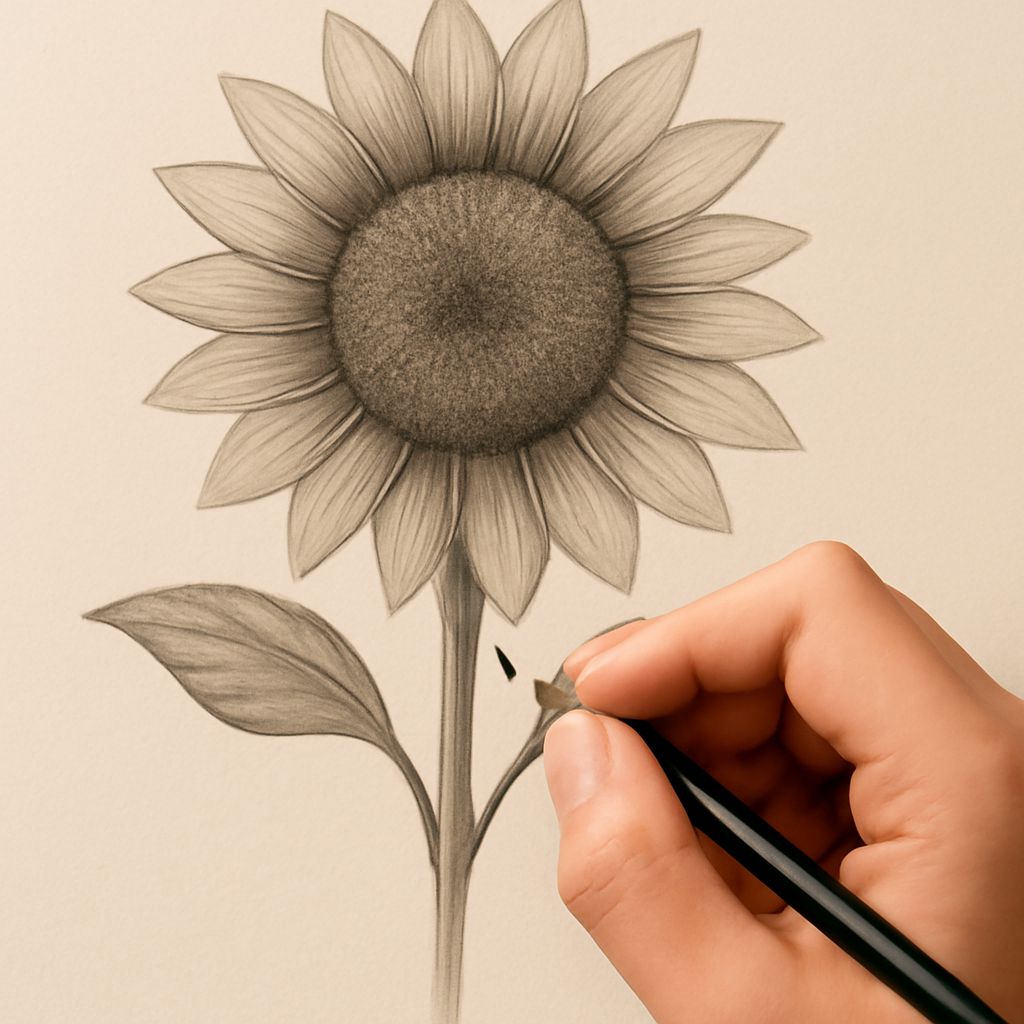
Every drawing of a flower starts from the same structural foundation: a center point or circle, petals radiating from or wrapping around that center, and a connection to stem and leaves below. Understanding this structure means you can construct a flower from imagination once you have studied enough real specimens. The center-to-petal relationship is the most important proportional relationship to get right; if the center is too large or too small relative to the petals, the whole flower reads incorrectly.
Color in Flower Drawing
When adding color to drawing flowers work, start with the lightest value and build toward the darker tones in layers. Flower petals are translucent, so their shadows are more muted than you might expect. The darkest values in a flower drawing appear at the base of petals where they overlap, not at the outer edges. Keeping this in mind prevents the flat, uniformly colored petal that many beginners produce.
Drawing of a Shirt with Floral Patterns
Understanding Fabric Drape
A drawing of a shirt requires you to understand how fabric folds and drapes over the three-dimensional form beneath it, whether that form is a body or a hanger. Shirt fabric folds in predictable patterns depending on where it is under tension (across the shoulders and chest) and where it hangs free (at the sides and hem). In fashion illustration, getting these folds right is as important as getting the design details right.
Placing Floral Prints on Fabric
When drawing a shirt with a floral print, the flower motifs must follow the fabric’s surface rather than appearing to float in front of it. This means the flowers distort slightly with the folds, getting compressed in the shadow areas of folds and expanding slightly in the lit, flatter areas. This deformation of the printed pattern is what convinces the viewer that they are looking at a printed shirt rather than a flower drawing placed over a shirt outline.
Drawing of Pants: Structure and Pattern
Trouser Construction Basics
A drawing of pants starts with understanding the trouser’s construction: two leg tubes attached at a crotch seam, with a waistband at top and hem at the bottom. The way a trouser leg drapes depends on whether it is close-fitted, relaxed, or wide-leg, and whether the fabric is stiff or soft. Stiff fabrics like denim create angular folds; soft fabrics like silk create round, flowing folds. Understanding this material difference prevents every pair of drawn pants looking the same regardless of stated fabric.
Floral Prints in Trouser Drawing
Like a floral shirt, a drawing of pants with a botanical print requires the flower motifs to wrap around the leg form. The flowers on the inner leg face slightly away from the viewer and are partially hidden by the outer leg contour. The flowers on the front face of the leg appear most fully and receive the most detail. This selective rendering of the print pattern based on fabric orientation is what makes fashion drawing feel three-dimensional.
Drawing of Depression: Flowers as Emotional Symbol
Wilted and Dying Flowers in Art
Artists have used floral imagery to represent emotional states for centuries. A drawing of depression frequently incorporates wilted, dying, or dark flowers as visual metaphors for mental and emotional experience. Drooping stems, petals fallen from the flower, or flowers drawn in deep shadow rather than full light communicate states that are difficult to represent with the human figure alone. These symbolic uses of drawing flowers in emotional context have a long tradition in both fine art and illustrative work.
Technical Approach to Wilted Flowers
Drawing a wilted or dying flower requires observing what changes structurally when a flower loses turgor pressure. Petals curl inward or droop downward. The stem curves or bends rather than holding upright. Colors shift toward brown and gray at the edges. These are specific, observable changes, not just “sadder-looking” versions of the healthy flower, and drawing them accurately produces a more powerful result than simply darkening the values of a normal flower drawing.