Contour Drawing: Definition, Examples, and How to Practice It
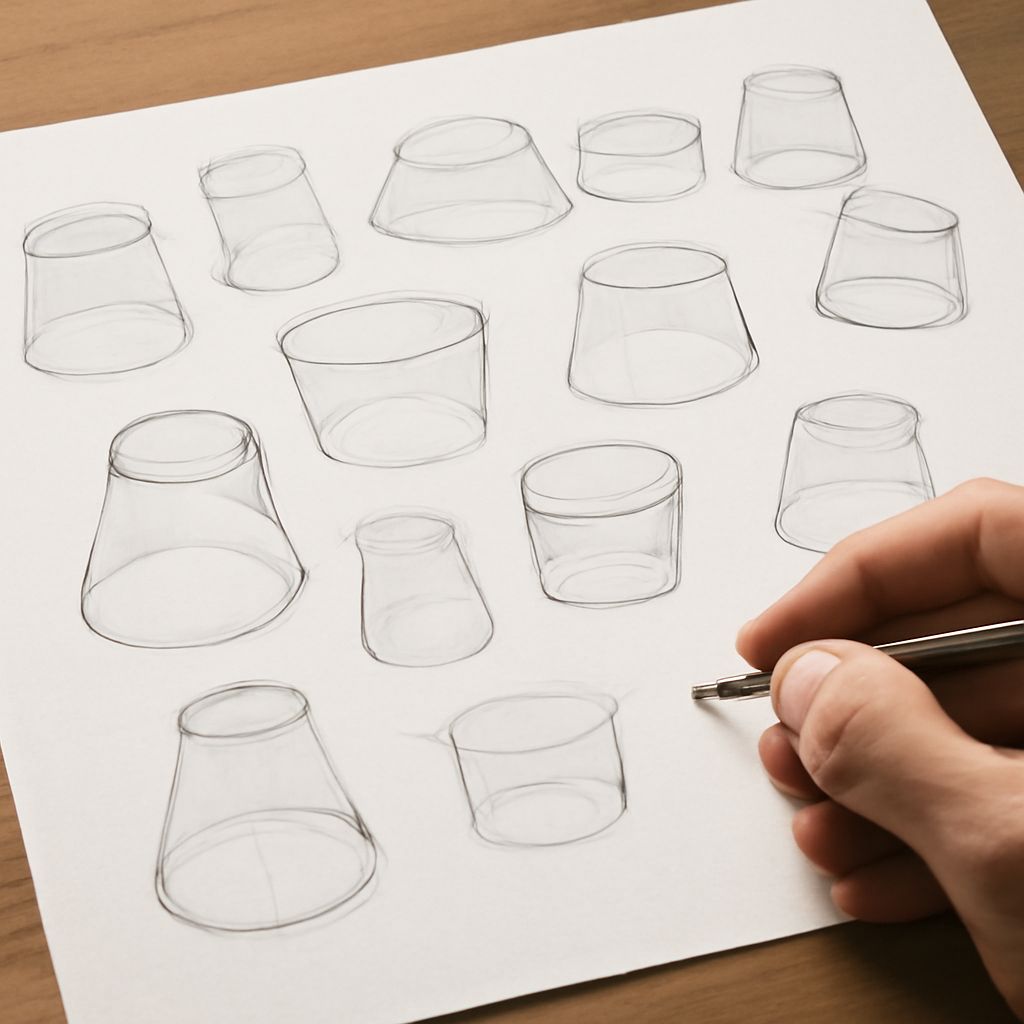
What exactly is a contour drawing, and why do art educators assign it so persistently? Understanding the contour drawing definition helps clarify its purpose: a contour drawing traces the edges and outlines of a subject, following the boundaries where forms meet or where a three-dimensional surface turns away from view. Contour line drawing does not shade, fill, or render interior surfaces; it describes form entirely through the language of line. This constraint is precisely what makes it such an effective training tool.
Contour drawing examples range from simple outline sketches of still life objects to complex figure drawings that build three-dimensional form through line weight variation alone. The technique appears throughout art history, from Renaissance master drawings to contemporary illustration and printmaking. What is a contour drawing in a modern art education context? It is one of the primary methods for training hand-eye coordination, observational accuracy, and the ability to translate three-dimensional perception into two-dimensional marks.
Contour Drawing Definition and Types
Pure Contour Drawing
Pure contour drawing, sometimes called blind contour drawing, requires you to draw without looking at your paper. You move your eye along the edge of the subject and your hand along the paper simultaneously, drawing only what your eye sees in real time. The result looks strange, usually distorted and disconnected, but the process trains direct hand-eye coordination more effectively than any other single exercise. Contour drawing examples from this method look nothing like finished art, but they teach the most important observational skill in drawing.
Modified Contour Drawing
Modified contour drawing allows you to look at your paper occasionally, typically one glance for every three to five inches of line drawn. This produces more accurate, connected drawings than pure blind contour while retaining much of the observational training benefit. Most art school foundation programs use modified contour drawing as a primary drawing exercise in the first semester because it teaches observation before it allows students to rely on their visual memory of what things “should” look like.
Contour Line Drawing with Line Weight
Advanced contour line drawing uses varying line weight to suggest depth and three-dimensionality. Lines at the edges of forms closest to the viewer are heavier; lines at edges receding away from the viewer are lighter. Lines in shadow are heavier than lines in light. This contour drawing technique appears widely in professional illustration and character design, where it creates the illusion of three-dimensionality through purely linear means without any shading or fill.
What Is a Contour Drawing Used For
Observational Training
The primary educational use of contour drawing is training the artist to look at the subject rather than at their hand. Most beginners spend too much time looking at their drawing and too little time looking at what they are drawing. Blind contour drawing forces this behavioral change because looking at the paper provides no useful information during the exercise. After several sessions of contour line drawing practice, artists find that their observational accuracy in all drawing work improves.
Quick Reference Sketches
Contour drawing functions as an efficient method for capturing the essential form of a subject quickly. A quick contour sketch of a complex subject, completed in two to five minutes, captures proportional relationships and key structural features that a gestural approach might miss. Contour drawing examples in professional sketchbooks often appear as rapid but accurate note-taking rather than polished illustration.
Finished Illustration Style
Many professional illustrators work in a contour line drawing style as their primary finished art approach. Single-weight or varied-weight outline illustration appears in editorial art, children’s books, graphic novels, and product design. This use of contour drawing as finished style rather than preparatory exercise is widespread in contemporary commercial illustration, and the skills developed through contour drawing exercises translate directly to this professional context.
How to Practice Contour Drawing
Starting with Simple Objects
Begin contour drawing practice with simple, still objects that have clear, readable edges: a shoe, a hand, a piece of fruit, a crumpled piece of paper. Position the object at a comfortable viewing distance, set a five-minute timer, and draw the outline without lifting your pen. Keep your eye moving along the object’s edge at approximately the same pace your hand moves along the paper. Do not rush and do not correct.
Moving to Complex Subjects
Once simple objects feel manageable, move to more complex contour drawing subjects: figure drawing in contour, interior scenes, fabric with multiple folds, or arrangements of several objects. Complex subjects have more edges to navigate, more overlapping forms, and more decisions about which contour lines to include and which to leave out. Making these selections is part of the developing skill in contour line drawing practice.
Using Contour Drawing in Daily Practice
Incorporating ten to fifteen minutes of contour drawing into daily drawing practice produces consistent, measurable improvement in observational accuracy over four to six weeks. Keep contour drawing examples in a dedicated sketchbook so you can review progress over time. Looking at your earliest blind contour drawings alongside work from several months later shows how dramatically the observational skill develops with consistent practice.