Cartoon Villains: The Best Mean and Bad Cartoon Characters Ever Made
What makes cartoon villains so compelling? They get to be everything the hero cannot be: selfish, theatrical, and unrestrained by consequence, at least temporarily. Mean cartoon characters occupy a special space in animation because they give writers room to push personality far beyond what a heroic figure could express. Bad cartoon characters also serve narrative functions that friendly characters cannot; they generate conflict, raise stakes, and give audiences someone to root against with genuine emotional investment. The best cartoon villains are not just obstacles; they are characters in their own right.
From classic theatrical antagonists of early animation to modern morally complex figures, best cartoon villains have evolved dramatically alongside animation techniques and audience expectations. Old cartoon villains from the golden age relied on broad, readable evil signifiers: capes, sneers, dark color palettes. Contemporary bad cartoon characters often carry genuine psychological depth, backstories that explain their behavior, and moments that make the audience briefly sympathize with them before they do something irredeemable. This contrast between eras tells you a lot about how storytelling has changed.
What Makes a Great Cartoon Villain
Clear Motivation
The best cartoon villains have motivations that make internal sense, even when those motivations are selfish or extreme. A villain who wants power for power’s sake is less interesting than one who wants power to correct a specific injustice, real or perceived. Mean cartoon characters with coherent goals feel threatening because you can follow their logic even as you reject their methods. Without a legible motivation, bad cartoon characters read as forces of arbitrary chaos rather than genuine antagonists.
Personality Beyond Evil
Effective cartoon villains have personality traits that exist outside their villainy. Humor, vanity, obsession, grief, and even genuine affection can coexist with malevolent goals. Old cartoon villains like Maleficent, while primarily antagonistic, display dignity and command that makes them memorable beyond their evil plans. When a cartoon villain has distinct personality dimensions, they become characters you want to watch, not just characters who interrupt the hero’s journey.
Visual Design as Character Communication
Animation allows character designers to communicate personality through purely visual choices. Cartoon villains typically receive angular design elements: pointed chins, sharp noses, high cheekbones. Color palettes lean toward cool purples, dark greens, and blacks. Silhouettes are distinctive and often asymmetric to suggest menace. These design conventions became established because they work: audiences read mean cartoon characters as dangerous based on visual cues within milliseconds of first seeing them.
Best Cartoon Villains of All Time
Golden Age Antagonists
The golden age of animation produced some of the most iconic bad cartoon characters in the history of the medium. Maleficent from Sleeping Beauty remains the benchmark for animated villain design: dramatic, articulate, and visually commanding. The Evil Queen from Snow White was the first Disney villain and set a template of vanity-driven cruelty that shaped decades of subsequent villain design. These old cartoon villains prioritized theatrical impact over psychological complexity, which suited the limited runtime and narrative simplicity of their era.
Television Era Villains
Saturday morning television produced cartoon villains in enormous volume, and while many were formulaic, some became genuinely iconic. Megatron from Transformers, Skeletor from He-Man, and Cobra Commander from G.I. Joe all reached cultural ubiquity despite or perhaps because of their over-the-top theatrical evil. These mean cartoon characters were designed for serialized formats where the villain needed to appear weekly without becoming boring, which demanded distinctive personalities and catchphrases rather than genuine menace.
Modern Complex Villains
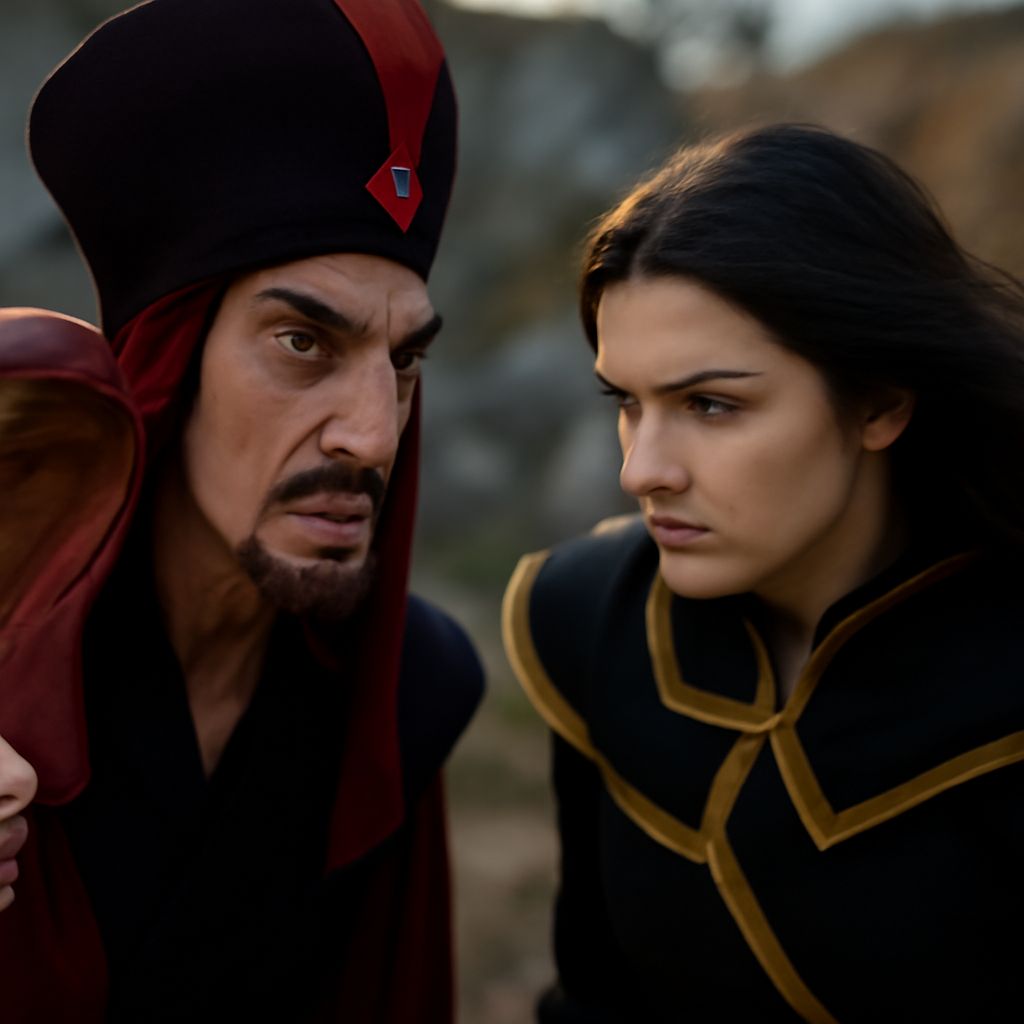
Contemporary best cartoon villains often subvert the genre conventions that earlier eras established. Bill Cipher from Gravity Falls is ancient, incomprehensible, and genuinely terrifying. Azula from Avatar: The Last Airbender is a prodigy whose psychological stability gradually fractures in ways that make her simultaneously more sympathetic and more dangerous. These modern bad cartoon characters reflect a shift in children’s and young adult animation toward emotional complexity that earlier generations of the medium avoided.
Old Cartoon Villains and Their Legacy
How Classic Designs Influenced Modern Animation
The visual language established by old cartoon villains continues to shape contemporary character design. The pointed extremities, dark color palettes, and dramatic gestural animation style of classic Disney antagonists became conventions precisely because they communicate so effectively. Modern cartoon villains sometimes embrace these conventions as homage, sometimes subvert them deliberately by applying villain visual language to nominally heroic characters, and sometimes reject them entirely to make villain identity ambiguous until the story reveals it.
Nostalgia and Reinterpretation
Old cartoon villains have been reinterpreted, reimagined, and resurrected in ways that speak to their lasting cultural significance. Maleficent received two live-action films that reframed her from pure antagonist to misunderstood anti-hero. Cruella de Vil received similar treatment, with a prequel film explaining her cruelty through trauma and injustice. This pattern of giving old cartoon villains sympathetic origin stories reflects contemporary audiences’ preference for moral complexity over straightforward evil.