Realistic Drawing Ideas: From Beginner Sketches to Digital Art
Struggling to figure out what to draw next? The right realistic drawing ideas can break through creative blocks and push your skills forward at the same time. Whether you’re reaching for your sketchbook after a long break or looking for a new challenge to deepen your practice, the subject matter you choose shapes how much you actually learn. Beginner watercolor ideas and beginner sketch ideas might seem simple on the surface, but the right prompts train your eye for value, shape, and proportion in ways that abstract or stylized subjects simply don’t. Digital drawing ideas open up a different set of tools and workflows, and yes — even the occasionally searched nsfw drawing ideas category points to a long tradition of figure and anatomy study that serious artists have always engaged with.
This guide gives you a structured set of prompts across multiple skill levels and media, explains why certain subjects teach specific skills, and shows you how to build a drawing practice around ideas that actually develop your abilities rather than just filling pages.
Why Subject Choice Matters for Skill Development
The subjects you draw aren’t random — each one trains a different perceptual skill. Still life objects teach you to observe how light falls across irregular surfaces. Portraits develop your understanding of proportion and subtle value shifts. Botanical subjects in beginner watercolor ideas push you to work wet-on-wet with soft, organic edges. Animal studies require you to simplify complex forms quickly. When you choose randomly or stick to what feels comfortable, you practice the skills you already have rather than the ones you need to build.
A deliberate approach to realistic drawing ideas means picking subjects that target your current weak spots. If you struggle with foreshortening, draw hands and feet in unusual angles. If your values tend to collapse into midtones, draw high-contrast subjects under direct light. If beginner sketch ideas feel too easy but intermediate subjects feel overwhelming, build a bridge: draw simplified versions of complex subjects at increasing detail levels over several sessions.
Beginner-Friendly Ideas That Build Core Skills
Still Life and Household Objects
Household objects — mugs, bottles, fruit, folded cloth — are some of the most reliable beginner sketch ideas because they stay put, have predictable lighting, and present clear form problems to solve. A single apple teaches you to observe how a round form transitions from highlight to shadow to reflected light. A glass bottle introduces transparency and refraction. A piece of crumpled paper is a masterclass in observing complex folds. These subjects aren’t glamorous, but artists who can draw them well can draw almost anything.
Simple Portraiture
Portraits are universally engaging but technically demanding. Start with profile views rather than full-face portraits — profiles reduce the symmetry problem and let you focus on silhouette accuracy. Work from photographs with strong directional lighting rather than flat, diffused light. Simple portrait work fits naturally into beginner watercolor ideas because the limited palette forces you to mix accurate flesh tones rather than relying on pre-made colors.
Botanical and Floral Subjects
Plants and flowers train your ability to observe organic, irregular forms without defaulting to symbol-drawing — the habit of drawing what you think a leaf looks like rather than the specific leaf in front of you. Botanical watercolor work in particular requires confidence with wet techniques: blooms and backruns can either ruin or define a piece, and learning to predict them comes only from repetition.
Digital Drawing Ideas for Every Level
Digital drawing ideas span a wide range, and the medium has genuine advantages for learning: unlimited undos, layer-based value studies, and the ability to flip your canvas horizontally to check proportions. For beginners, digital tools make it easier to experiment without committing to expensive paper or paints. For intermediate artists, digital workflows allow faster iteration through multiple compositions or color schemes before committing to a final direction.
Practical digital drawing ideas that build real skills include: lighting studies where you paint the same subject under three different light sources; texture studies where you practice rendering metal, fabric, wood, and skin in a single session; and perspective studies using architectural references. The risk with digital work is over-relying on undo and never developing the decisiveness that traditional media demands — so combine your digital practice with regular sessions on paper.
Figure and Anatomy Studies
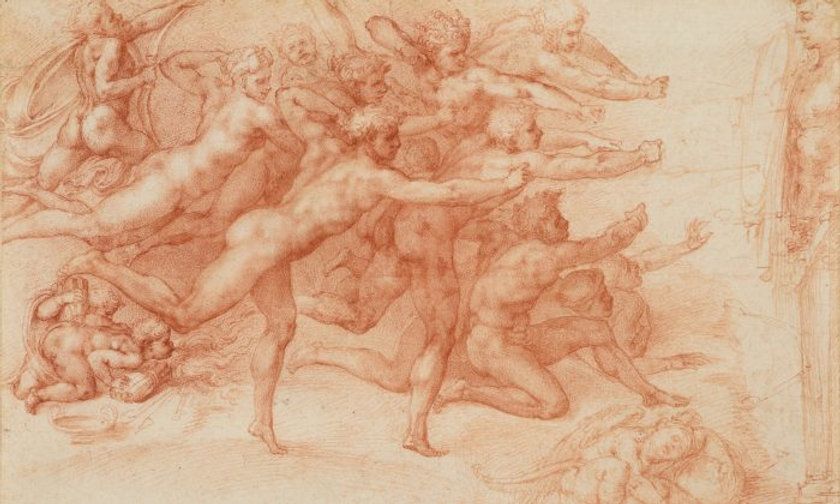
Figure drawing is one of the oldest and most effective ways to develop as an artist. The human body provides an inexhaustible range of poses, foreshortening challenges, and proportion problems. Gesture drawing — capturing the energy and movement of a pose in 30 to 120 seconds — builds speed and line confidence. Extended figure studies develop your ability to observe subtle anatomical landmarks and skin-over-bone form changes.
The category sometimes tagged as nsfw drawing ideas in search results largely overlaps with classical figure study — the kind taught in every serious fine arts program and practiced by artists from Leonardo to contemporary illustrators. Academic figure drawing, life drawing sessions, and anatomy study from reference resources all fall under this umbrella. If you’re serious about figure work, invest time in learning skeletal and muscular anatomy from a resource like Bridgman’s or Loomis before working purely from live or photo references.
Building a Consistent Drawing Practice
Having a strong list of realistic drawing ideas only helps if you sit down and use it. A consistent daily practice — even 20 minutes — builds observational skills faster than irregular marathon sessions. Keep a sketchbook dedicated to studies rather than finished pieces, which removes the pressure of producing something shareable and lets you focus on the learning process itself.
Rotate through subject types over the course of a week: still life one day, portrait studies the next, beginner sketch ideas from observation the day after, then a digital session. This rotation prevents the skill plateaus that come from drawing the same types of subjects repeatedly.
Next steps: Pick one subject from each category in this guide and schedule one drawing session per category this week. After four sessions, assess which subject revealed the most gaps in your current skills — then make that category the focus of your next two weeks of practice.