Deer Skull Drawing: Animal Anatomy Guide for Artists
What do you gain from studying a deer skull drawing beyond the obvious artistic challenge? A working knowledge of animal anatomy that transforms how you draw everything from full-body deer portraits to stylized wildlife illustrations. Whether you’re producing naturalistic whitetail deer anatomy studies for a hunting publication or stylized mule deer drawing work for apparel and merchandise, understanding the underlying bone structure gives your drawings a credibility that surface-level observation alone can’t provide. This guide connects deer skull form to the broader field of animal anatomy, with specific attention to whitetail anatomy that most North American artists encounter most frequently.
The Basics of Deer Skull Structure
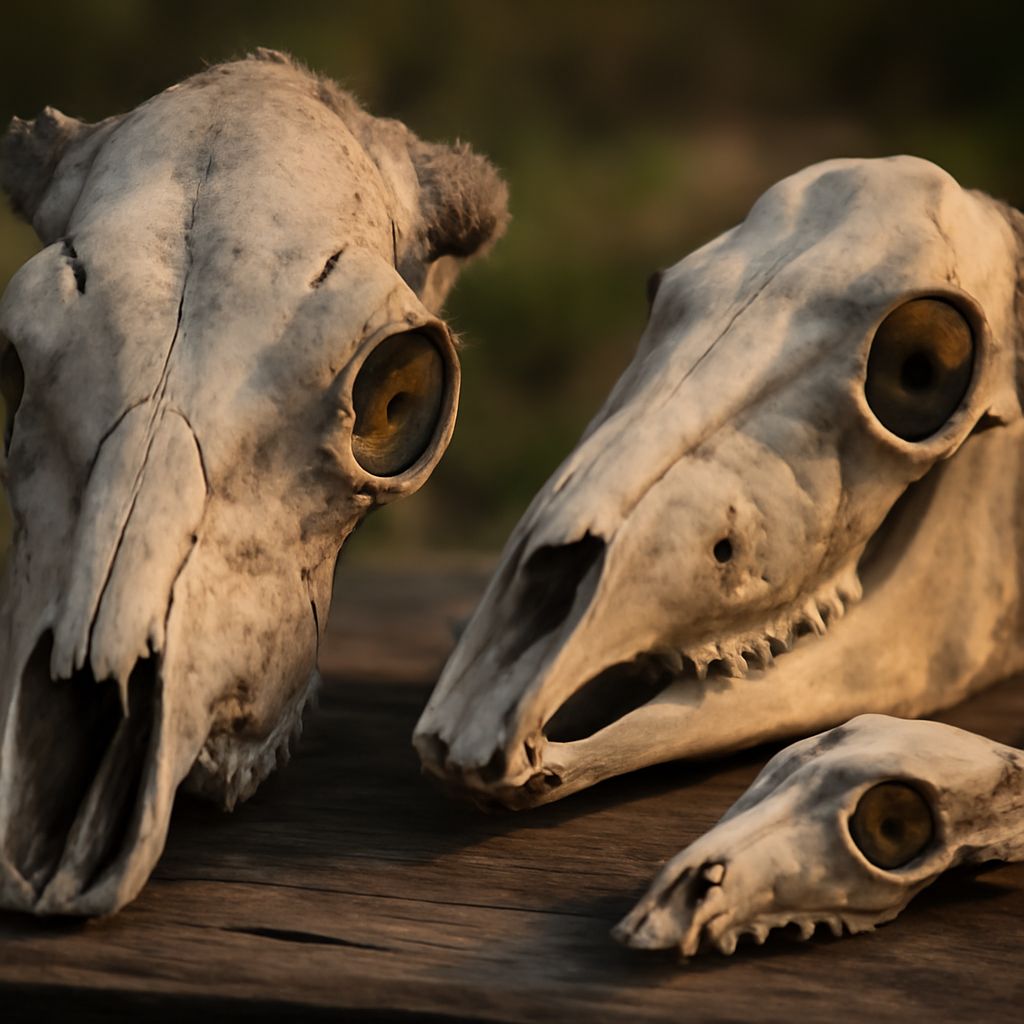
A deer skull has a distinctive elongated cranium with a long, narrow nasal region — the “face” of the skull extends well forward of the eye orbits in a way that differs noticeably from canid or bovid skulls. The eye sockets are large and positioned on the sides of the skull rather than the front, which reflects the deer’s status as a prey animal with wide-angle peripheral vision. When you approach a deer skull drawing, map the major landmarks first: the eye orbits, the zygomatic arches (cheekbones), the nasal bone, and the position of the antler pedicles in mature bucks.
Whitetail Deer Anatomy: Skull Differences from Mule Deer
Whitetail deer anatomy and mule deer anatomy differ in ways that matter for accurate drawing. The whitetail skull is generally narrower in the facial region and has a somewhat more delicate overall structure than the broader, heavier mule deer skull. The antler pedicle angle and position also differ between the two species. A mule deer drawing that uses whitetail skull proportions — or vice versa — will read as incorrect to experienced hunters and naturalists in your audience, so knowing the species-specific differences is worth the effort.
Using Skull Reference for Full-Body Drawings
The skull defines the head shape in any full-body animal drawing. When you understand whitetail deer anatomy at the skeletal level, you can accurately place the eyes, ears, and muzzle in three-quarter and profile views without guessing. The distance from the back of the skull to the eye orbit, and from the eye orbit to the tip of the nasal bone, gives you the proportional framework for the entire head. Artists who skip skeletal study and work only from photographic reference tend to produce heads that look slightly off in unusual angles, because they don’t understand what’s driving the surface form.
How to Approach a Deer Skull Drawing Study
Start any deer skull drawing study by identifying the three primary masses: the braincase (roughly oval from the side), the facial region (the long, tapering forward projection), and the mandible (lower jaw). Establish the relationship between these three masses before adding any surface detail. In a profile view, note that the eye orbit sits roughly at the junction of the braincase and facial region — this is a reliable landmark for establishing proportions. The top line of the skull from the pedicles to the nasal tip curves gently downward, while the bottom line of the facial region runs nearly straight back to the molars.
Antlers and Their Relationship to Skull Form
Antlers grow from the pedicles — two bony platforms on the frontal bone of the skull. The pedicle position and angle influence how antlers appear to emerge in a drawing. In whitetail anatomy, the pedicles sit close together and relatively near the center of the skull top. In mule deer, they tend to sit slightly wider apart. Understanding this relationship helps you draw antlers that look anatomically anchored rather than floating above the head. The base circumference of the antler beam should match the pedicle diameter, and the first tine emerges from the main beam at a predictable angle that varies by age and genetics.
Animal Anatomy Beyond the Skull
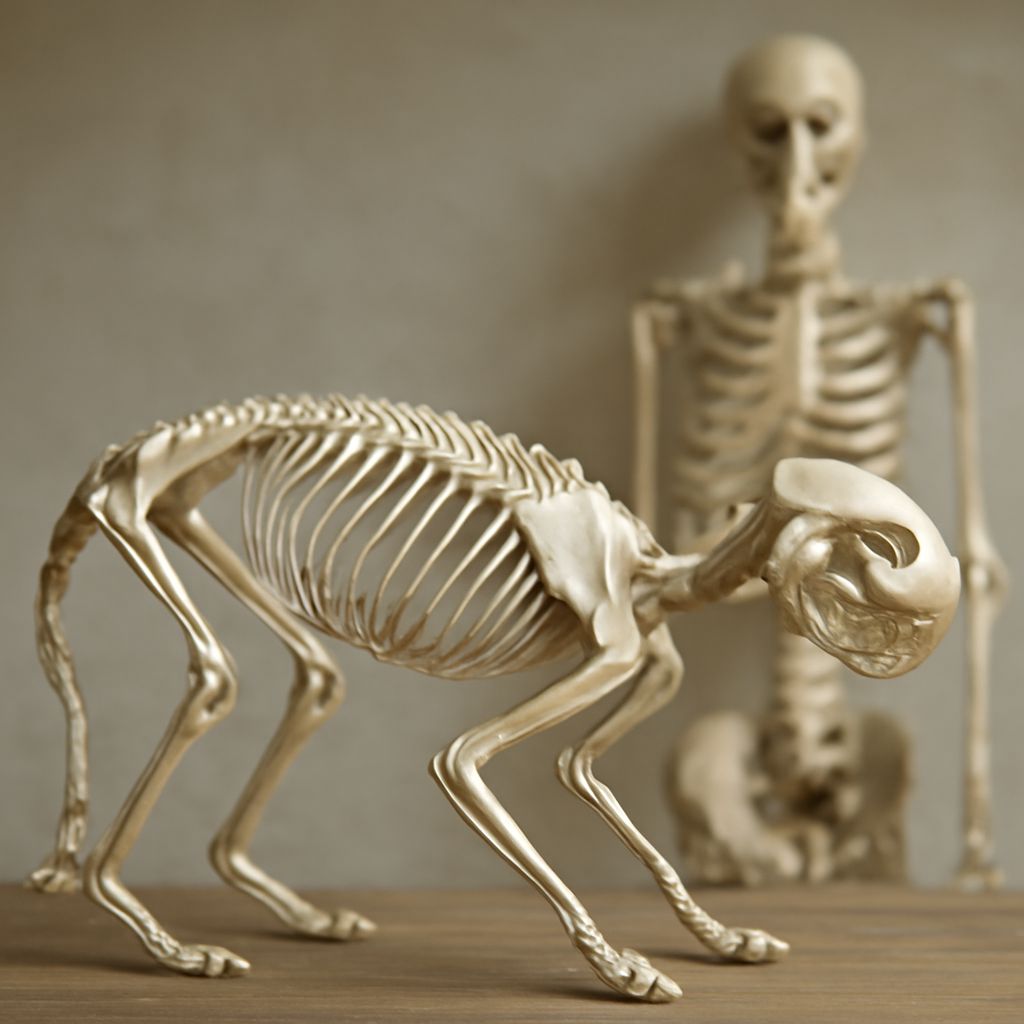
Skull study is the entry point for broader animal anatomy work. Once you understand the head structure, the natural next step is the cervical vertebrae — the neck bones that connect the skull to the shoulder girdle. In deer, the neck is long relative to body length and carries the head in a characteristic grazing or alert posture. Understanding how the neck flexes and extends helps you draw convincing head positions in active poses rather than relying on static profile views.
The shoulder blade (scapula) position and the leg bone proportions are the other major structural elements that animal anatomy knowledge helps you render accurately. Deer legs are relatively long with a distinctive cannon bone in the lower leg and a small, two-toed hoof. Getting the leg joint angles right — particularly the stifle and hock — is one of the things that separates convincing deer drawings from ones that look slightly robotic or incorrect.
Materials and Approach for Skull Studies
For a deer skull drawing study, work from direct observation if you have access to an actual skull, or from high-quality reference photographs taken from multiple angles. A single photograph won’t give you the three-dimensional information you need to understand the form. Look for references shot from directly in front, from the side, from a three-quarter angle, and from above. Each view reveals different structural information that contributes to your overall understanding of the form.
Graphite works well for initial studies because it’s forgiving and allows you to build form gradually. Start with light construction marks, establish the major masses and proportions, then refine with darker marks. Ink or pen-and-wash is a good next step once your pencil study reads correctly — the commitment required by ink forces more deliberate observation and decision-making.
Bottom line: A solid deer skull drawing practice builds the animal anatomy foundation that makes all of your wildlife drawing more accurate and convincing. Start with multiple-view reference, establish major masses before details, and pay attention to species-specific differences between whitetail anatomy and mule deer proportions.