Arabic Calligraphy Generator: Tools, Techniques, and Creative Applications
What happens when an art form with over a thousand years of tradition meets digital tools? The arabic calligraphy generator is one answer — software and web tools that translate text into styled Arabic script automatically, opening the art form to people who don’t have years of training with a reed pen. Arabic cartoons and animated media have expanded Western audiences’ familiarity with Arabic script aesthetics, while the market for arabic calligraphy tattoo work has grown significantly as the script’s visual beauty attracts clients far outside Arabic-speaking communities. Understanding both the tool side — generators, apps, and software — and the craft side — the arabic calligraphy pen techniques that underlie the art form — gives you a richer relationship with Arabic calligraphy whether you’re a designer, a collector, or someone simply drawn to its visual power.
This guide covers digital arabic calligraphy generator tools, the underlying art form those tools are based on, applications in tattoo and design contexts, and how the steampunk font generator category relates conceptually to specialty script generation tools more broadly.
How Arabic Calligraphy Generators Work
Web-Based Tools
Web-based arabic calligraphy generator tools typically work by taking input text and rendering it using pre-designed calligraphic typefaces based on traditional scripts like Naskh, Thuluth, Diwani, or Kufic. The best tools apply contextual shaping rules — Arabic script is a connecting script where letter forms change based on their position within a word — automatically, producing output that actually reads correctly rather than stringing isolated letter shapes together. Quality varies significantly between tools: some produce plausible calligraphic text, others produce shapes that look decorative to non-Arabic readers but are actually incorrect or unreadable.
Design Software Integration
Adobe Illustrator, Photoshop, and InDesign all support Arabic text through dedicated Arabic language settings. The arabic calligraphy generator function in these tools works through OpenType font features that activate ligatures, contextual alternates, and stylistic sets specific to calligraphic Arabic typefaces. Fonts like Adobe Arabic, Scheherazade, and Amiri provide access to authentic calligraphic letterforms within professional design workflows.
The Traditional Art Behind the Digital Tool
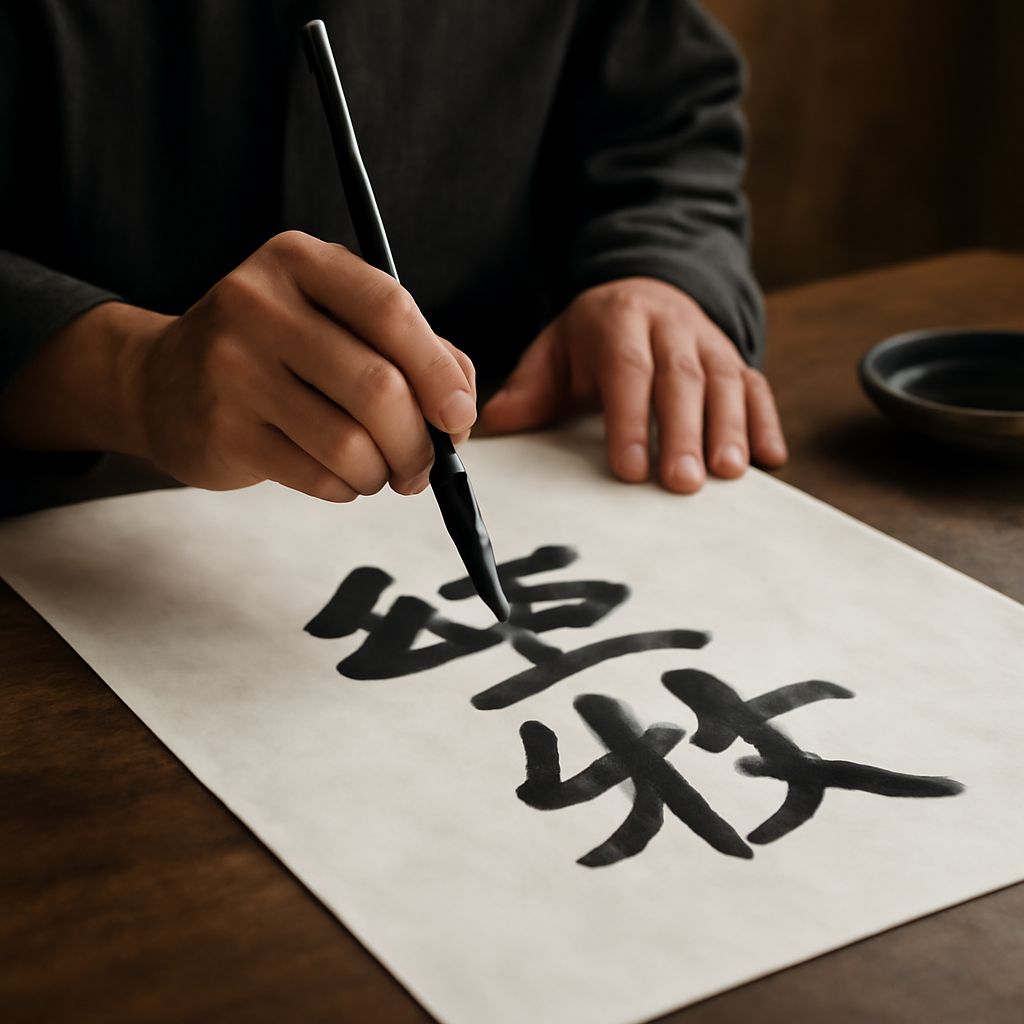
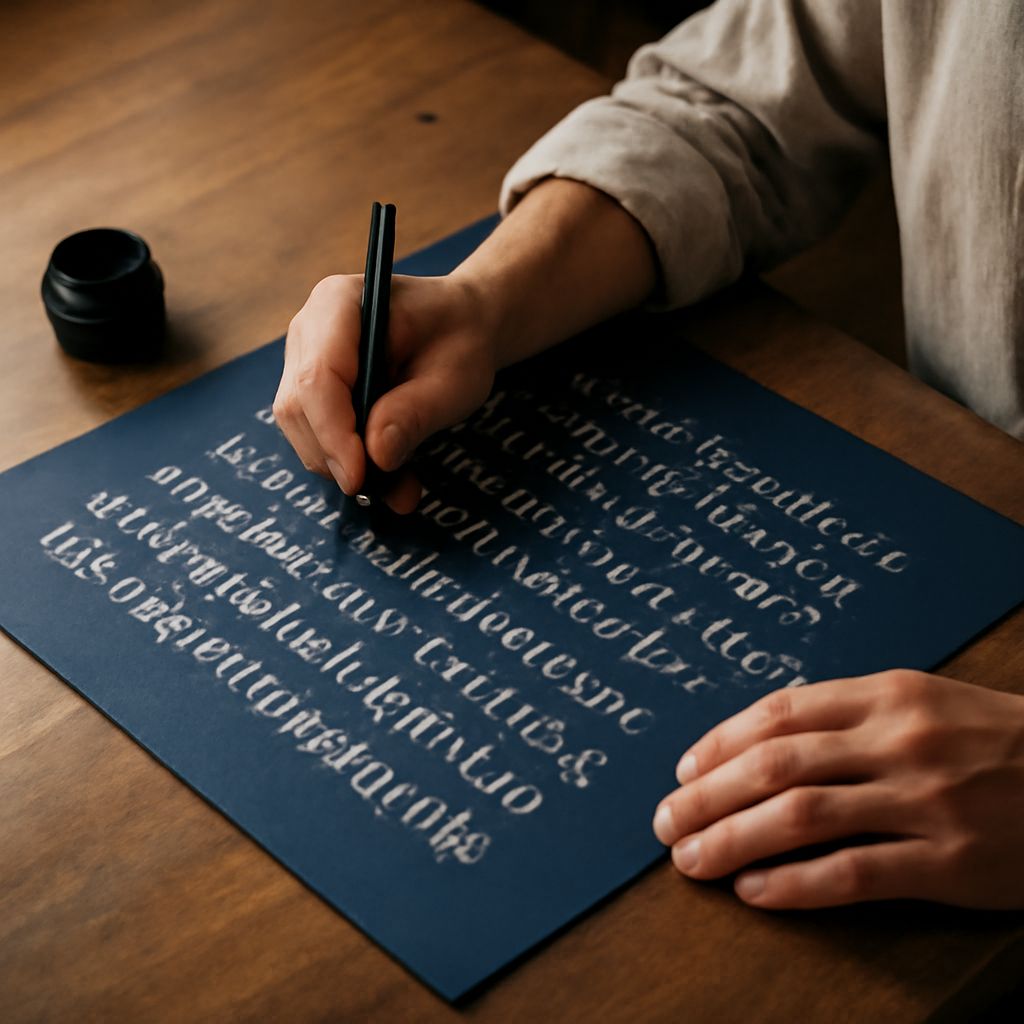
Every arabic calligraphy generator is ultimately based on the output of traditional calligraphers working with an arabic calligraphy pen — the qalam, a cut reed or bamboo pen whose angled cut end produces the characteristic thick and thin stroke contrast of Arabic calligraphy. The pen angle relative to the writing line, the speed of the stroke, the ink viscosity, and the calligrapher’s training all contribute to the final result in ways that digital tools approximate but can’t fully replicate.
The six classical Arabic scripts — Naskh, Thuluth, Ruq’ah, Diwani, Kufic, and Nastaliq — each have distinct historical contexts, proportional rules, and aesthetic characters. Naskh is the most widely readable and is used in most printed Arabic text. Thuluth is an elaborate ceremonial script used for mosque inscriptions and formal contexts. Diwani, with its dense diagonal letterforms, is the script most associated with Ottoman official documents. Understanding these distinctions helps you choose the appropriate style for any application.
Arabic Cartoons and Script in Visual Media
Arabic cartoons — both productions from Arabic-speaking countries and Western productions that feature Arabic script in their world-building — have expanded the visual familiarity of Arabic letterforms for global audiences. The distinctive visual qualities of Arabic script — its flowing connection between letters, its vertical stacking of diacritical marks, its right-to-left directionality — create an aesthetic distinctiveness that animators and art directors have used deliberately to signal cultural setting, mystical atmosphere, or geographic specificity.
The use of Arabic script in set dressing, title cards, and character design within arabic cartoons has also created new design challenges: ensuring that any Arabic text visible on screen is actually correct, respectful, and readable rather than used decoratively without regard for meaning. This is an area where consulting with a native Arabic reader is always worth the effort, whether you’re using a generator or working from scratch.
Arabic Calligraphy Tattoo Considerations
Arabic calligraphy tattoo work represents one of the most popular applications of Arabic script outside Arabic-speaking communities. The visual beauty of Arabic calligraphy — particularly in scripts like Thuluth and Diwani — makes it appealing as body art, and the tradition of Quranic calligraphy gives many designs an additional layer of cultural and spiritual meaning for clients who request specifically religious text.
For an arabic calligraphy tattoo, accuracy is essential. A word or phrase that looks beautiful to a non-Arabic speaker might be misspelled, grammatically incorrect, or contextually inappropriate in ways that native speakers will immediately recognize. Always verify any Arabic text with a native speaker and ideally with a trained calligrapher before committing it to a permanent medium. The arabic calligraphy generator can be a starting point for design visualization, but it should never be the final authority on correctness.
The Steampunk Font Generator and Specialty Script Tools
The steampunk font generator sits at a different end of the specialty script generation spectrum — it produces decorative text in Victorian industrial aesthetic rather than a historical linguistic tradition. But the conceptual parallel is useful: both the steampunk font generator and the arabic calligraphy generator take plain text input and render it in a stylistically specific visual language that would otherwise require specialized design skills to produce from scratch.
The key difference is cultural weight. Arabic calligraphy is a living tradition with specific rules, religious significance for many practitioners, and real communities of practitioners. Steampunk aesthetics are a contemporary design invention without those layers of cultural meaning. Treating the two tools with equivalent casualness misses what makes Arabic calligraphy specifically significant. Use generators as design starting points, always verify accuracy with human expertise, and approach the cultural dimension of Arabic script with the seriousness it deserves.