Sermon Illustrations: Free Stories and Christian Visual Examples
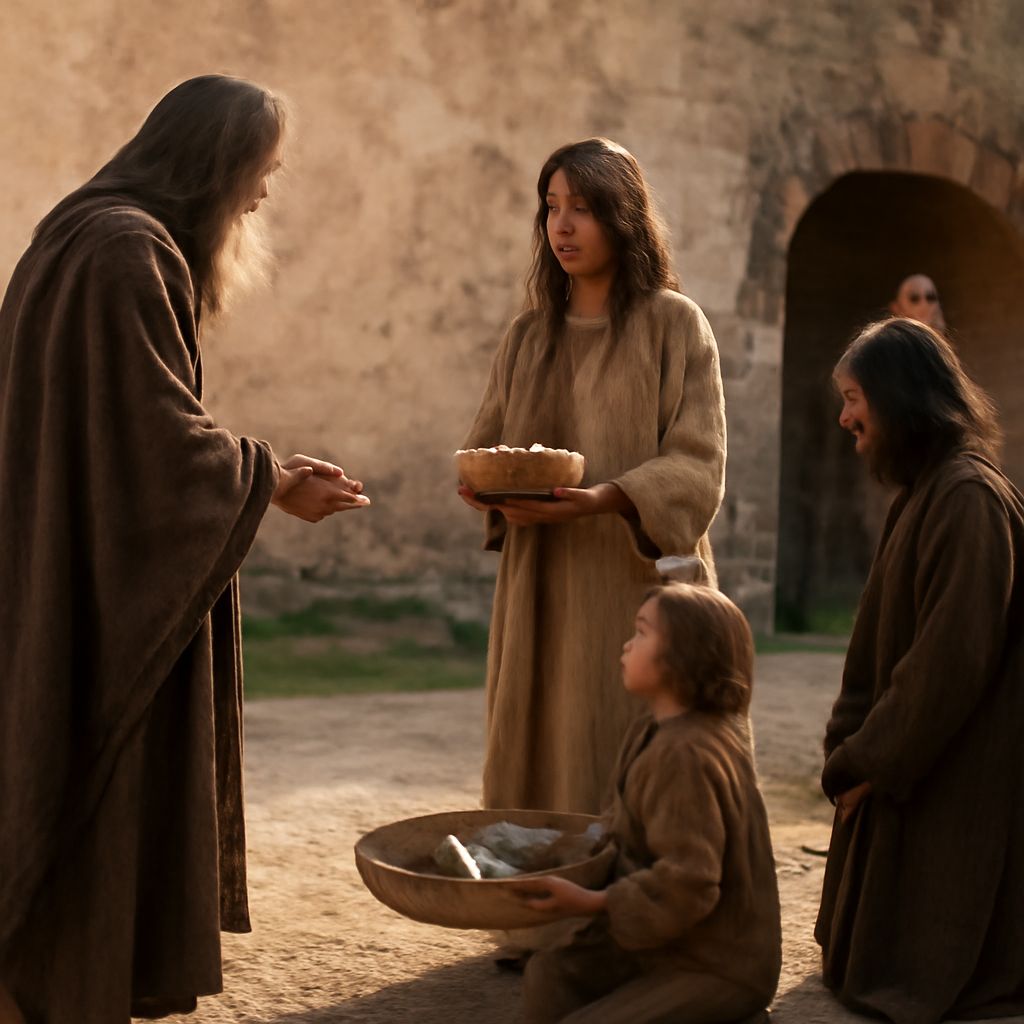
What separates a sermon that stays with people for weeks from one they’ve forgotten by Sunday afternoon? Often, it’s the sermon illustrations — the concrete stories, images, and comparisons that anchor abstract theological concepts in memorable, human-scale experience. The best illustrations for sermons work because they give listeners a mental image to carry the idea home. Whether you’re a seasoned pastor searching for fresh material or a new speaker building your first message, knowing how to find and use free sermon illustrations effectively transforms how your congregation engages with Scripture.
This guide covers how to develop strong christian illustrations from everyday experience, where to find quality free sermon illustrations stories, and the principles that separate effective illustration from mere anecdote.
Why Illustrations Work in Sermons
Human memory is story-shaped. Cognitive research consistently shows that information embedded in narrative is retained far better than information presented as abstraction. When you illustrate a point about forgiveness with a story of a parent reuniting with a wayward child, you give the listener’s memory a specific scene to encode, not just a concept to categorize. Sermon illustrations work because they create that scene.
Good illustrations for sermons also create emotional engagement that precedes intellectual assent. A listener who feels the truth of an idea before being asked to accept it is far more receptive than one who encounters the argument cold. This is why skilled preachers throughout history — from Charles Spurgeon to Billy Graham — were masterful storytellers who treated illustration not as decoration but as load-bearing structure in their messages.
Finding Free Sermon Illustrations
The internet has made free sermon illustrations widely accessible. Several dedicated collections exist specifically for Christian communicators:
- SermonCentral.com maintains a large database of illustrations searchable by topic, Scripture reference, and keyword. Many are free; the premium collection requires a subscription.
- PreachingToday.com from Christianity Today offers curated free sermon illustrations stories with editorial filtering for quality and accuracy.
- Illustration exchange sites like Illustration Exchange provide community-submitted content organized by topic.
- Classic homiletics texts — Spurgeon’s Anecdotes, for instance — are now in the public domain and freely available as PDFs.
When using free sermon illustrations from online databases, verify factual accuracy before using them. Many circulating illustrations are apocryphal — compelling stories attributed to figures like Abraham Lincoln or Einstein that have no historical basis. Using verified free sermon illustrations stories protects your credibility and models intellectual integrity for your congregation.
Developing Your Own Christian Illustrations
The most effective christian illustrations are ones you lived, witnessed, or can personally verify. Personal stories connect because they reveal the preacher as a fellow traveler rather than an authority figure delivering from above. Congregations respond to vulnerability and specificity in ways they don’t respond to borrowed stories, however good those stories are.
Develop the habit of keeping an illustration journal. When something happens in your life or ministry that illuminates a spiritual truth — a conversation, an observation, an unexpected outcome — write it down immediately with as much sensory detail as possible. Over time, this journal becomes your most valuable preaching resource, a repository of christian illustrations that are inherently authentic because they happened to you.
Draw from culture and current events deliberately. Films, news events, sports moments, and widely shared social experiences all provide raw material that helps congregations connect abstract truth to their daily lives. The key is choosing cultural references your specific audience actually recognizes — an illustration perfect for a congregation of twentysomethings may land flat with retirees.
Principles for Using Illustrations Effectively
Even strong sermon illustrations fail when used incorrectly. Keep these principles in mind:
- Proportion matters: An illustration should clarify a point, not dominate it. If your story takes longer to tell than the point it supports, trim or replace it.
- Make the connection explicit: Don’t assume listeners will make the connection between your story and your point. State it clearly after the illustration lands.
- Vary illustration types: Mix personal stories, historical examples, hypothetical scenarios, and literary references to maintain variety across a message and across a preaching series.
- Never fabricate: Composited or fictional illustrations for sermons must be clearly labeled as such. Presenting invented stories as real events destroys trust when discovered.
Visual and Object-Based Illustrations
Not all sermon illustrations are verbal. Object lessons — using physical items to demonstrate spiritual truth — have a long tradition in preaching and teaching. A cracked clay pot illustrating human frailty, a seed demonstrating faith, water demonstrating grace and abundance: these tangible illustrations engage visual and kinesthetic learners in ways that words alone cannot. When planning a message for a mixed audience, incorporating at least one tangible, visual illustration extends your reach to listeners whose primary mode of engagement isn’t verbal-sequential.