Apples Drawing: Simple Apple Drawing Techniques for Every Level
Why does the apple remain one of the most drawn objects in art history? It is round but not perfectly round, red but with complex reflected color, familiar enough to judge accuracy immediately. Apples drawing challenges beginners to understand form and light while giving experienced artists a subject for exploring advanced value relationships. A simple apple drawing that looks convincing requires understanding more than just the outline. Apple fruit drawing is a genuine observational exercise, not just a copying task.
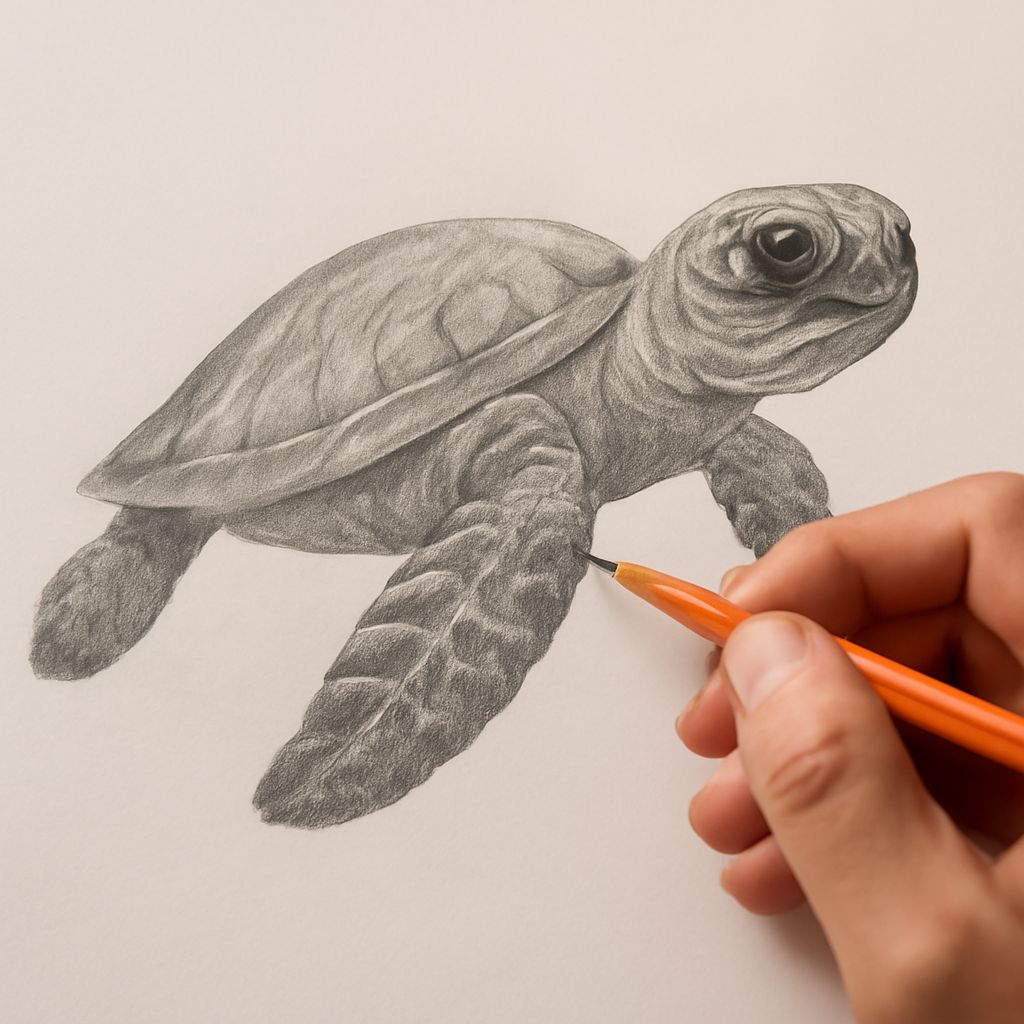
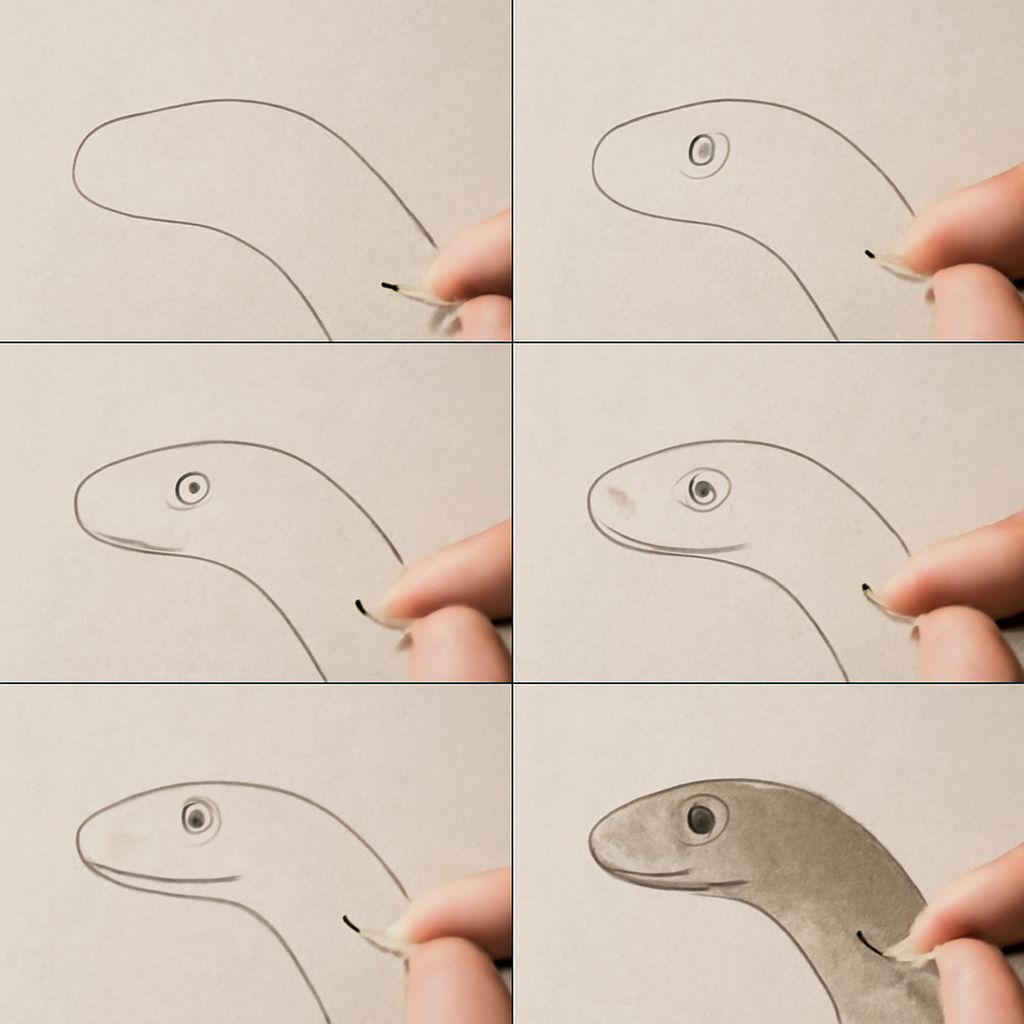
This guide covers foundational methods for drawing an apple in multiple media, including how simple geometric construction connects to more complex subjects like simple dragon drawings through shared principles of form and volume.
Understanding the Apple Form
An apple is wider than it is tall, has a slight indentation at the top stem cavity and at the bottom calyx end, and its surface has slight irregularities that make it feel organic. These deviations from perfect roundness are what make apple fruit drawing interesting and instructive.
Start every apple study with a light contour sketch of the overall shape. Notice the axis of the fruit and the widest point, which typically sits at or just above the center horizontal axis. Getting these proportional relationships right before adding shading produces a more accurate foundation.
Simple Apple Drawing Methods
A simple apple drawing works well when you start with a circle, then adjust the bottom to be slightly flatter, indent the top, and add the stem and leaf. This geometric construction approach anchors proportion to a familiar shape.
Pencil and Graphite
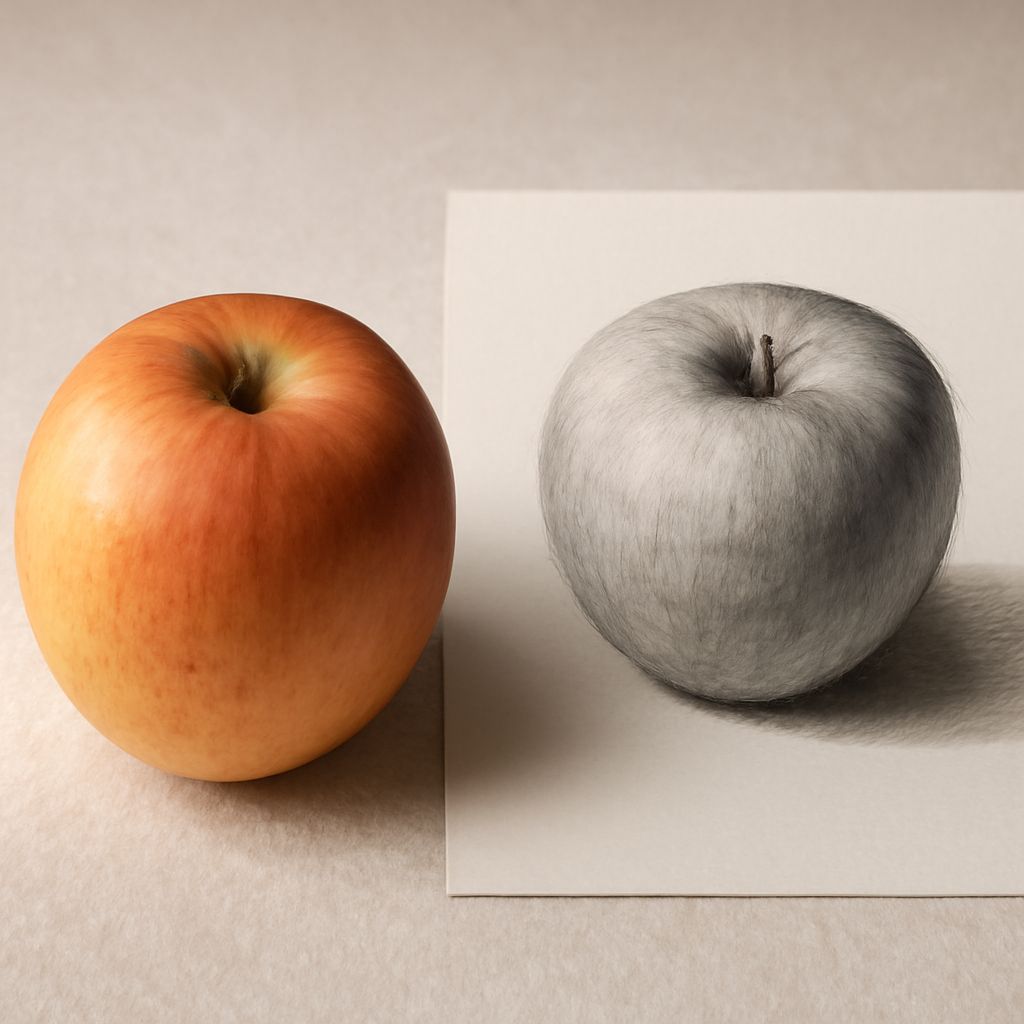
Graphite is ideal for drawing an apple because it allows gradual value building and easy correction. Use light circular construction, establish the highlight position early by leaving it as white paper, then build tone from shadow areas outward. The cast shadow beneath the apple anchors it to the surface.
Color Media
Color reveals the complexity of apple fruit drawing. A red apple shifts toward yellow-white at the highlight, picks up cool reflected light in the shadow, and shows richest saturation at the core shadow boundary. Working through these relationships teaches color observation that transfers to any future subject.
Drawing an Apple from Different Angles
Draw the apple from directly in front, slightly above, from the side showing the stem profile, and from below showing the calyx. Each viewpoint presents different proportional challenges and light arrangements. Artists who draw a subject from only one angle develop a template rather than genuine understanding.
This principle connects directly to more complex subjects like simple dragon drawings, where depicting a fantastical creature convincingly requires the same spatial intelligence that apple drawing builds. The organic forms of a dragon body follow the same principles: consistent light source, believable volume, and forms that read clearly in three-dimensional space.
From Simple Subjects to Complex Forms
The skills developed through apples drawing transfer to every subsequent subject. Simple dragon drawings use the same cylindrical and spherical volumes for body segments, the same consistent lighting for scale and wing surfaces, and the same shadow logic for grounding the creature in space.
Build a regular practice of still life apple fruit drawing sessions, working with different apple varieties and lighting conditions. Red Delicious, Granny Smith, and Fuji apples each have distinctive shapes and color relationships worth studying separately. This deliberate variety keeps the practice engaging while building observational depth that makes every drawing subject more manageable.