Dumb Cartoon Characters: French, Monster, British, and the Funniest Fails
What is it about deliberately dim-witted cartoon characters that makes them so consistently entertaining? Dumb cartoon characters tap into something universal — the gap between confidence and competence, the beautiful certainty of someone who has no idea they have no idea. French cartoon characters in this tradition often play the pompous fool. Monster cartoon characters flip audience expectations by making the frightening figure the confused one. And british cartoon characters bring a specific deadpan quality to foolishness that differs from American cartoon slapstick in tone and execution. Knowing the most famous examples of dumbest cartoon characters from animation history reveals a lot about how humor varies across cultures and eras.
This guide covers the most memorable examples from each category, what makes each type of comedic foolishness work, and what distinguishes inspired character design from cheap laughs.
What Makes a Dumb Character Actually Funny
The line between annoying and hilarious in dumb cartoon characters is narrower than it looks. The most effective foolish characters have an internal consistency — they are not randomly dumb but specifically, characteristically limited in ways that the audience can predict and anticipate. Homer Simpson is not universally stupid; he is specifically impulsive, comfort-seeking, and resistant to information that conflicts with what he already wants to do. That specific profile is funnier than generic stupidity because it creates expectations the show can confirm or subvert.
The best dumbest cartoon characters also have genuine emotional warmth or enthusiastic investment in whatever they are doing wrong. Patrick Star on SpongeBob SquarePants is one of the great examples — his foolishness is always delivered with complete sincerity and often accidental philosophical depth that lands harder than intentional cleverness.
French Cartoon Characters and the Comedy of Pomposity
French cartoon characters in the foolish tradition often come pre-packaged with exaggerated sophistication that their actual behavior undercuts. The Looney Tunes character Pepe Le Pew embodies this perfectly — a skunk who believes himself to be an irresistible French romantic while everyone around him flees the reality of who he is. His absolute confidence in the face of universal rejection is the joke.
Other french cartoon characters played for humor lean into caricatures of culinary obsession, philosophical pretension, or bureaucratic self-importance. These character types work because they take real cultural stereotypes and push them to the point where the gap between self-image and reality becomes the engine of every scene.
Monster Cartoon Characters Who Are Also Idiots
Monster cartoon characters in the foolish tradition invert the horror expectation and replace it with comedy. The Incredible Hulk’s various more comedic versions play on the contrast between enormous power and limited social intelligence. Gossamer from Looney Tunes — the giant red hairy monster terrified by nearly everything — uses the same inversion.
What makes monster cartoon characters funny when played for laughs is exactly the unexpectedness of the contrast. A creature with every physical advantage having none of the social or intellectual capacity to use it effectively creates the comic gap that these characters exploit. The funnier the setup for menace, the bigger the payoff when the monster turns out to be confused about basic situations.
British Cartoon Characters and Deadpan Foolishness
British cartoon characters tend toward a specific flavor of foolishness: the pompous buffoon, the oblivious posh figure, or the earnest incompetent who is extremely enthusiastic about his complete inability to succeed. Basil Fawlty from Fawlty Towers is the archetype, though he crosses into live action. In animation, characters like Inspector Gadget (British in tone even if Canadian in production) embody this tradition — completely dedicated to their role, utterly unable to fulfill it without accidental assistance.
The british cartoon characters comedic tradition also includes figures who believe themselves to be reasonable while demonstrating spectacular unreasonableness, with each escalation delivered in a tone of bewildered dignity rather than American-style exasperation.
The Design of Memorable Foolish Characters
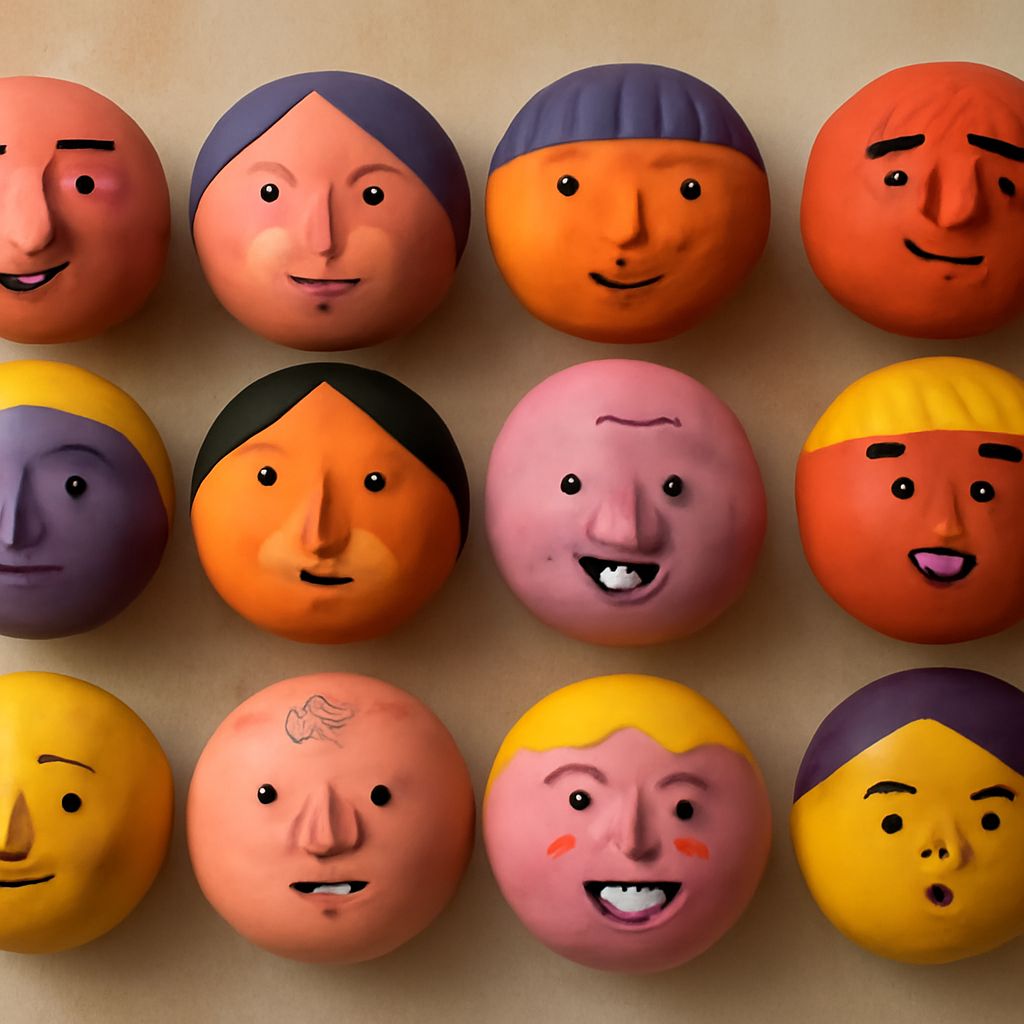
The dumbest cartoon characters in animation history share specific design qualities: open, slightly vacant facial expressions that signal accessibility rather than menace, body proportions that emphasize roundness and softness over angular competence, and color palettes that lean warm and bright rather than cool and sophisticated. These visual choices signal the character’s role before they speak a single line. Studying these design patterns is instructive for anyone creating comedy-oriented dumb cartoon characters who need to be immediately readable as loveable rather than frustrating.