Watercolor Christmas Cards: Drawing, Painting, and Cartoon Design Guide
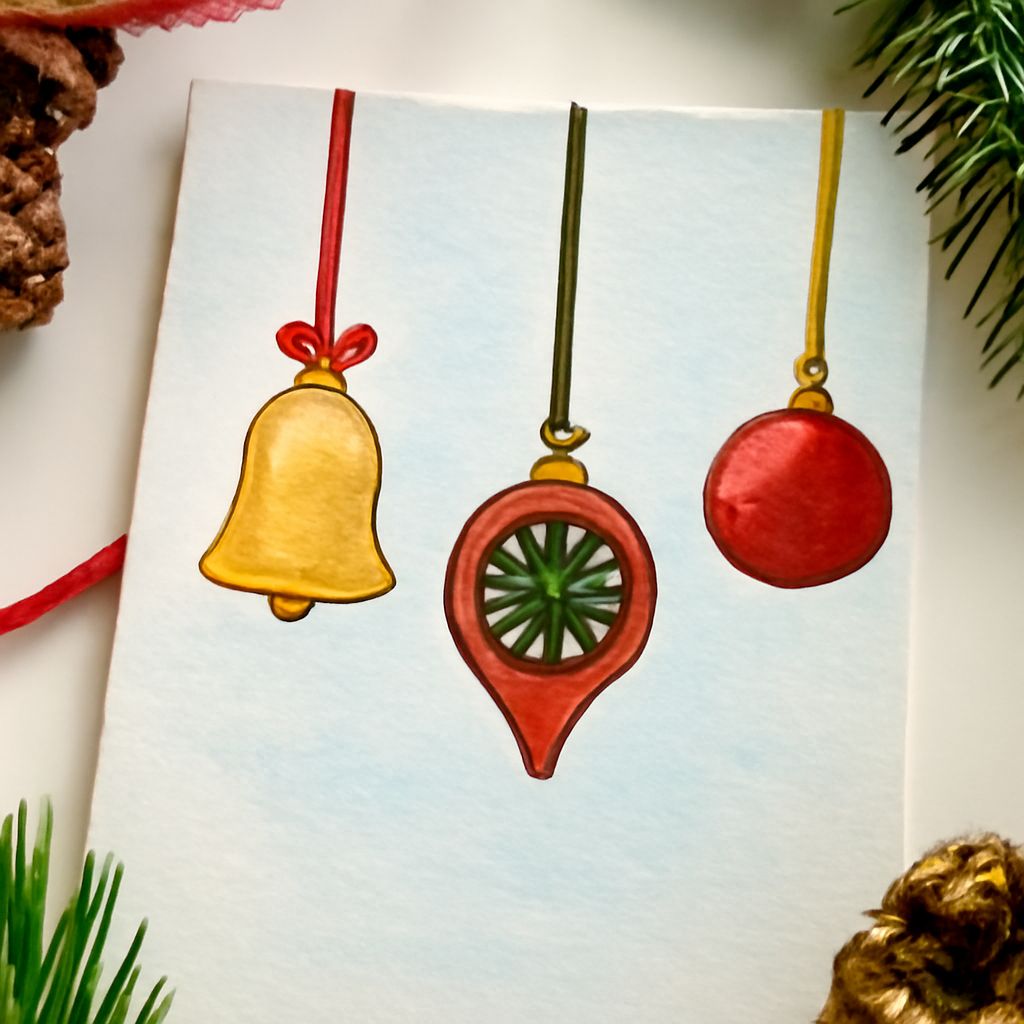
What makes a handmade holiday card feel more meaningful than a printed one? The small imperfections that prove a human hand created it. Watercolor Christmas cards carry warmth and personality that mass-produced alternatives simply cannot replicate, and they do not require professional skill — they require the right approach and a willingness to embrace what watercolor does naturally. Whether you are planning a christmas card drawing project using pencil and ink, creating a full watercolor christmas card with painted backgrounds, working with multiple christmas watercolor cards for a bulk mailing, or exploring cartoon christmas cards with more playful illustration, this guide gives you a complete approach.
You will find technique guidance, composition tips, and practical workflow advice for producing cards that genuinely delight the people who receive them.
Planning Your Watercolor Christmas Card Project
Before picking up a brush, decide on the scope and quantity of your project. Making one or two watercolor christmas cards for close family uses a different approach than producing twenty for a full holiday mailing. For larger quantities, creating a consistent design that can be partially reproduced — perhaps a stamped or printed background with hand-painted details — saves time without sacrificing the handmade quality.
Select your paper first, as this determines everything else. Watercolor paper of at least 140lb cold press weight prevents warping and allows you to work wet without the paper buckling. For christmas watercolor cards in standard greeting card format, 5×7 inch pieces work well. Cut your own from full sheets for better economy, or purchase pre-cut watercolor paper cards with envelopes.
Christmas Card Drawing: Establishing the Image
A solid christmas card drawing begins with a light pencil sketch that guides your painting without visible graphite in the final work. Keep your pencil marks very light — 2H pencil works well — so they either lift out during painting or become invisible beneath the watercolor. Over-sketching creates dark graphite lines that show through transparent watercolor and undermine the luminous quality of the medium.
Effective holiday motifs for christmas card drawing: evergreen branches with ornaments, winter cardinal birds on snowy branches, vintage sleigh silhouettes against a full moon, lanterns in snow, and architectural subjects like lit windows in a snowy village. Each of these provides a mix of organic and geometric forms that test different drawing skills while referencing familiar holiday visual traditions.
Watercolor Painting Techniques for Holiday Cards
For a watercolor christmas card with atmospheric sky backgrounds, wet-on-wet technique produces soft, glowing results. Dampen the sky area with clean water, then drop in deep blues, purples, and a hint of gold near the horizon while the paper is still wet. The colors will diffuse into soft gradients that no amount of controlled brushwork can replicate.
The foliage and detailed elements work better wet-on-dry over a fully dried background wash. This sequence — loose atmospheric background first, specific details on top — is the working method behind most successful christmas watercolor cards because it keeps the relationship between general and specific in the right order. Adding details to a wet background creates muddy smearing; adding them to a dry background gives crisp, controlled marks.
Cartoon Christmas Cards: Playful and Accessible
Cartoon christmas cards offer the biggest creative freedom and often require the least technical watercolor skill. A simple cartoon Santa, a cheeky elf, a grinning snowman, or an expressive reindeer can be sketched quickly, inked with a waterproof fineliner, and then filled with loose watercolor washes that do not need to be precise because the ink lines define the forms.
For cartoon christmas cards in volume, develop two or three character designs you can draw consistently, then produce multiples with varied color or background treatments. The ink line provides the structure while the watercolor provides the warmth and variation that makes each card feel individual even when the illustration design is consistent. Add personalized text inside each card to complete the sense of individual attention that makes handmade cards so well received.