Calligraphy Set Guide: Pen Sets, Kits, and the Best Pens for Calligraphy
What separates a calligraphy kit that transforms your practice from one that disappoints after the first week? The quality of the tools matters, but so does understanding what you actually need at your current skill level versus what looks impressive in a box. A beginner reaching for the most advanced calligraphy set may find the tools too demanding to use before foundational skills are developed. An intermediate practitioner investing in a quality calligraphy pen set gets tools that grow with their abilities. Understanding the landscape of calligraphy kit options, knowing which are the best pens for calligraphy for your specific script style, and building toward a personal collection of proven calligraphy kits is a process this guide helps you navigate clearly.
Whether you are starting from zero or upgrading an existing practice, the right tools make the skill acquisition faster and more enjoyable.
What a Complete Calligraphy Set Contains
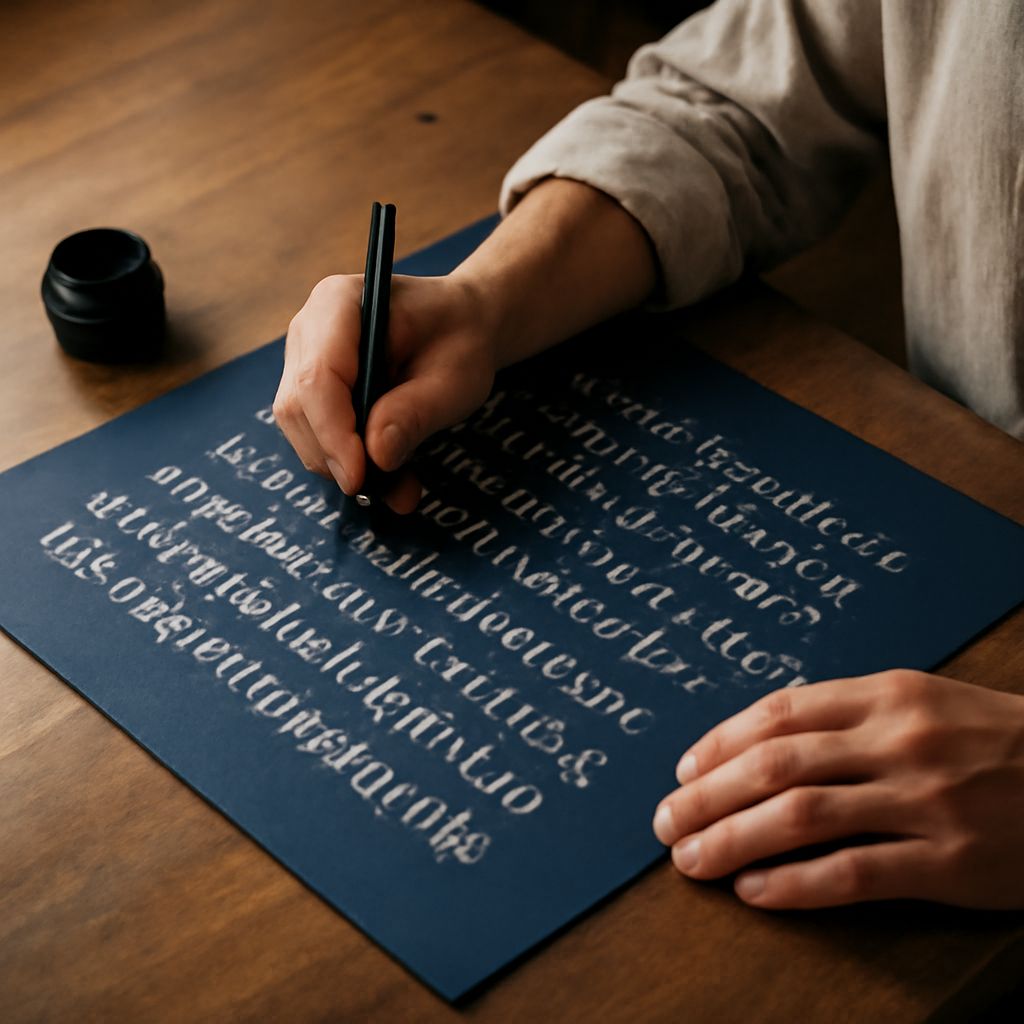
A quality calligraphy set for beginners should include at minimum: a dip pen holder with a standard oblique or straight orientation, a selection of nibs covering at least two point sizes, ink (typically black sumi ink or iron gall ink), practice paper with appropriate lines for your script style, and an instruction guide explaining basic letterform construction. Sets that include only a pen and ink without practice material leave beginners to figure out fundamental technique without guidance.
Premium calligraphy set options add multiple nib types (pointed, broad edge, music), multiple ink colors, higher-quality paper, and sometimes supplementary materials like rulers, brush pens, and guideline sheets for multiple script styles. These more comprehensive packages suit intermediate practitioners who already know what tools they will use rather than beginners who may not yet have that clarity.
Choosing a Calligraphy Pen Set by Script Style
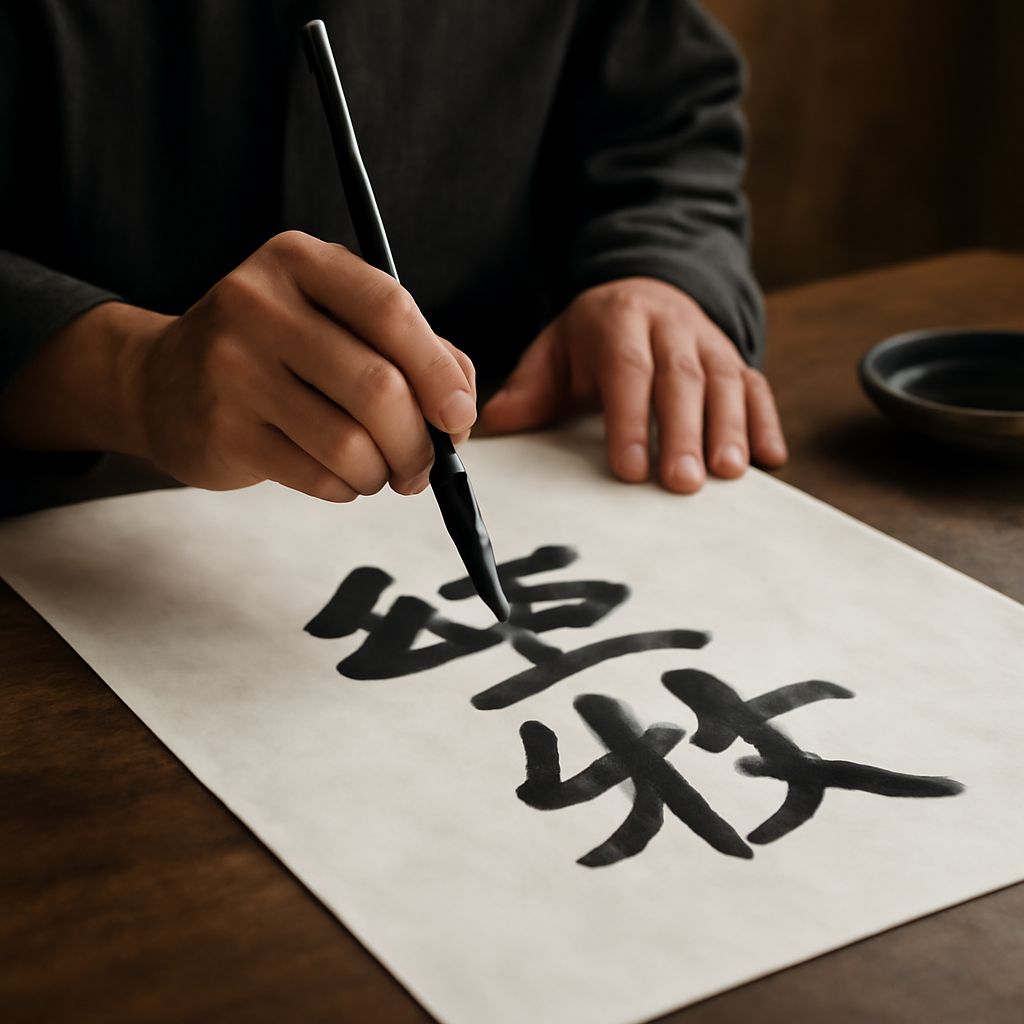
The calligraphy pen set you choose depends fundamentally on which script style you want to practice. Copperplate and pointed pen scripts like Spencerian require a pointed nib (not a broad edge) and an oblique pen holder for the correct letter slant. Italic and Gothic scripts require broad-edge nibs whose width determines the thick-thin contrast characteristic of these styles. Brush calligraphy requires brush pens or traditional brushes rather than metal nibs at all.
A calligraphy pen set marketed for Copperplate that includes only broad-edge nibs will not teach you what you came to learn. Matching the set to the script is the single most important purchase decision for beginners.
Calligraphy Kit Options by Skill Level
For absolute beginners, a starter calligraphy kit from brands like Speedball, Manuscript, or Pilot parallel pen provides enough tool variety to explore the medium without overwhelming investment. These kits typically cost between $20 and $50 and contain what you need to determine whether the practice suits you before spending more.
Intermediate practitioners ready to invest more seriously should look for calligraphy kits that include professional-grade nibs like Nikko G, Zebra G, or Hunt 101 pointed nibs for copperplate, or Brause and William Mitchell broad-edge nibs for italic and historical scripts. These individual nibs can be assembled into a custom kit suited precisely to your practice rather than purchased in a pre-packaged combination.
Best Pens for Calligraphy by Category
The best pens for calligraphy vary significantly by script and use context. For dip pen work, the Nikko G nib is the most widely recommended starting pointed nib because its stiffness provides consistent feedback that helps beginners learn pressure control. The Gillott 303 is more flexible and responsive but harder to control — appropriate after you have mastered the stiffer option.
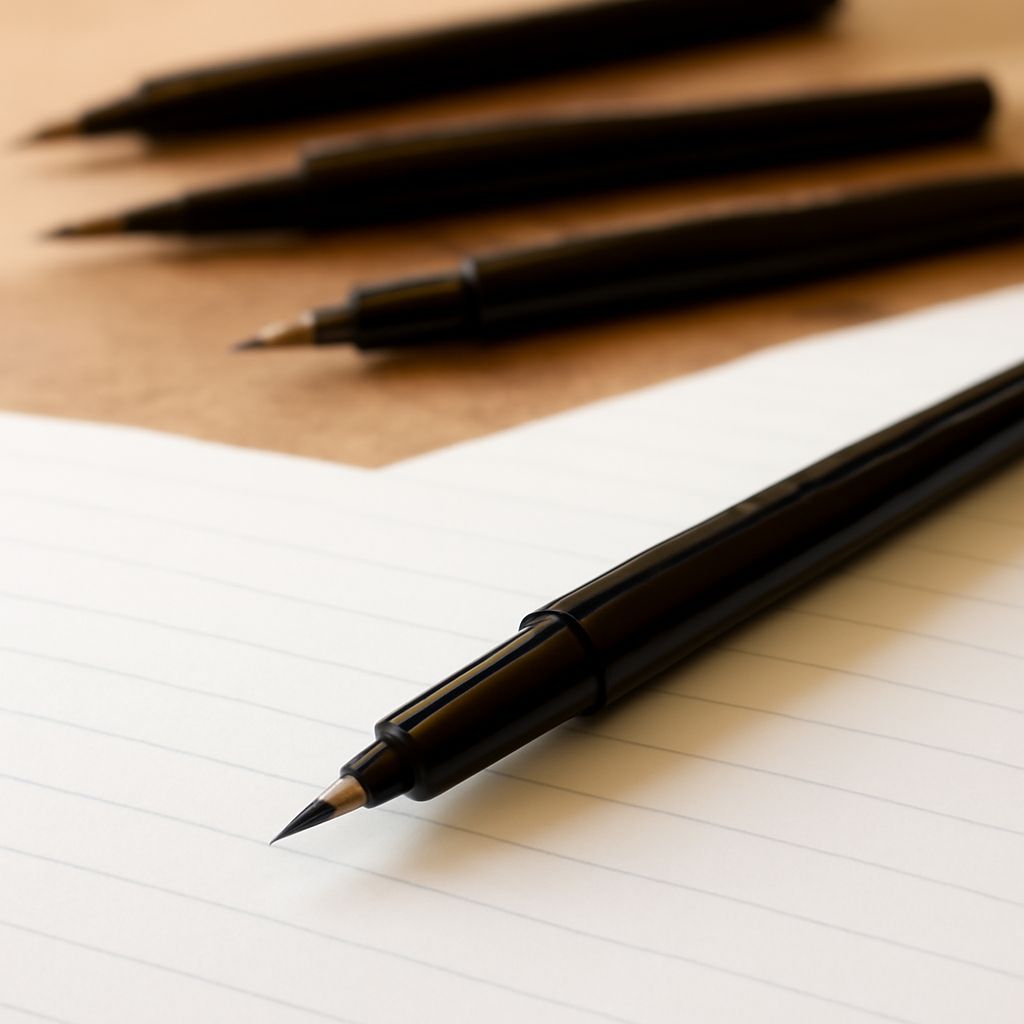
For calligraphy without the mess of dip ink, the best pens for calligraphy in the self-contained category include the Pilot Parallel Pen (available in multiple nib widths for italic work) and Tombow Fude brush pens for brush calligraphy. These eliminate the learning curve of managing ink flow and are ideal for travel, classrooms, or artists who want expressive lettering without specialized ink management.